
Pick by light
How pick-to-light systems work and when to choose something better
Pick by light
Pick-by-light, also known as pick-to-light or PTL, is a light display-based order preparation system. It uses illuminated modules mounted at storage locations to guide order pickers to the right bins and show them exactly how many items to take.
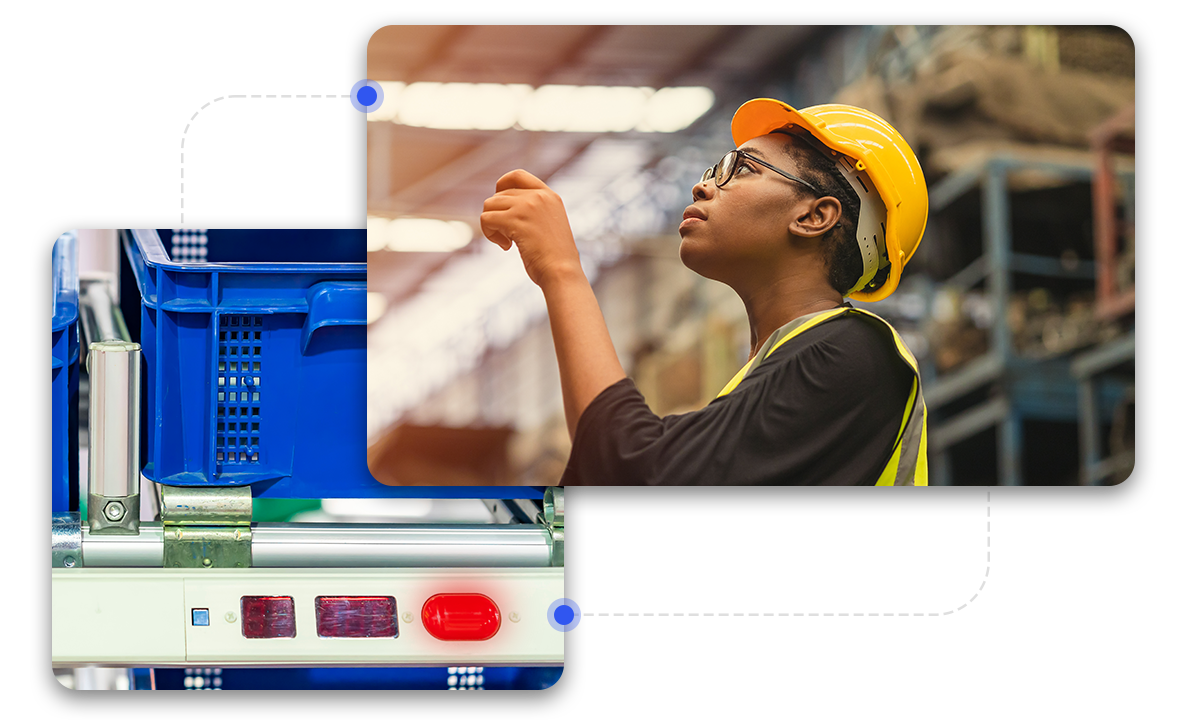
Pick-by-light is used most often for split-case picking in retail warehouses, third-party distribution centers, and similar environments. It sits within a broader category of technology-assisted order fulfillment processes, alongside voice-directed picking, RF scanning, and fully automated systems. Workers follow light terminals mounted on bins or shelves. Each module shows them where to go and how many items to pick.
It's also used in some manufacturing, assembly, and kitting scenarios. But once you move beyond simple picking tasks, its limitations become very obvious
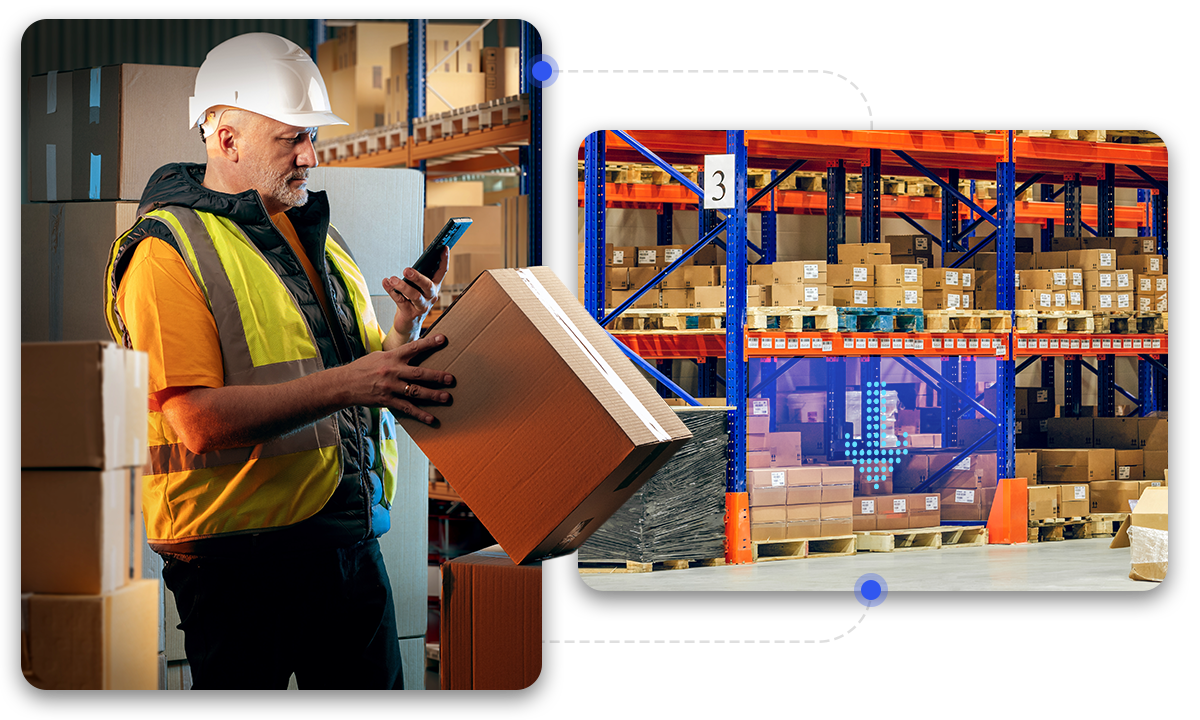
Once an order is scanned, each relevant shelf or basket is illuminated. The worker goes directly to each lit bin, picks the right quantity of items shown on the display, hits the confirm button, and repeats until the order is complete.
Pick-by-light was developed to replace manual picking processes, eliminating paper pick sheets and error-prone list checking. Instead, it enables fast and accurate picking through a simple, easy-to-learn workflow.
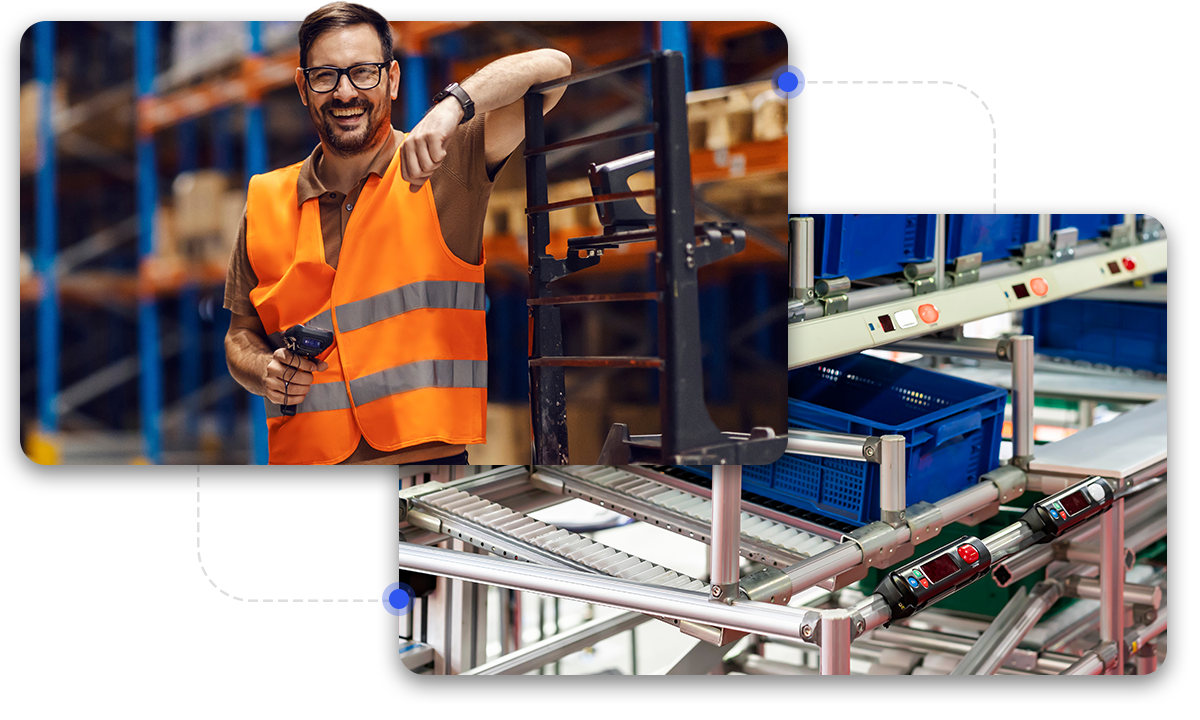
These two terms describe different workflows that use the same display hardware.
Pick-to-light (PTL) is for order picking: a worker visits each illuminated bin and removes the indicated number of items.
Put-to-light is for inventory restocking. A worker on replenishment duties follows the same light-guided process, but deposits items into the relevant baskets rather than removing them.
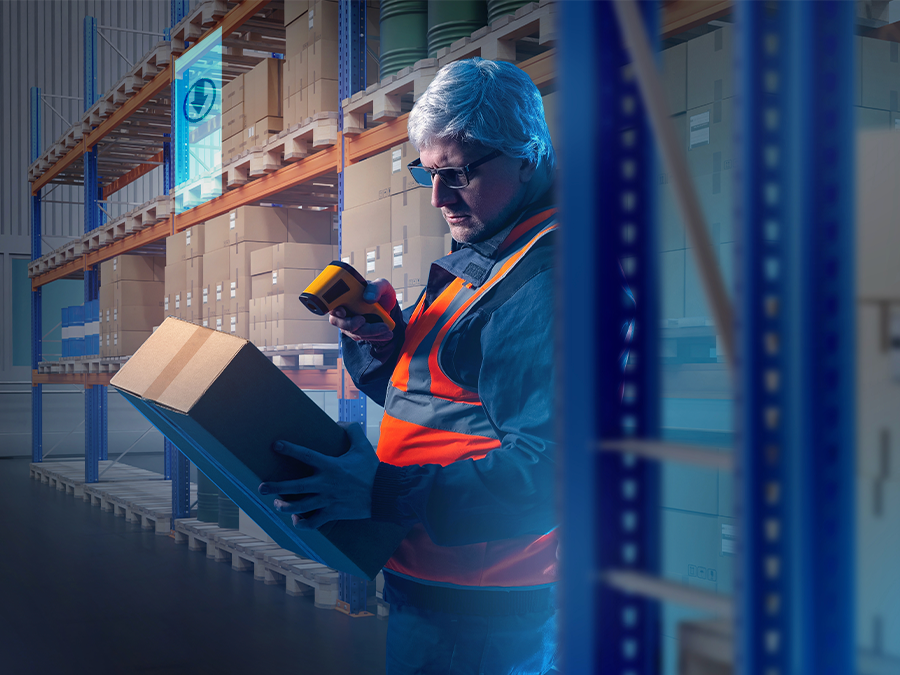
The limitations of pick-by-light, particularly its relative inflexibility and reliance on shelf-level hardware installations, should not be overlooked. A new generation of vision picking technology offers warehouse operations managers a more flexible fit for today's dynamic warehouse environments, with less hardware dependency, a lower barrier to entry, and far greater scalability.
A pick-by-light system connects to your warehouse management system (WMS) and translates each incoming order into a set of light signals, guiding workers through the picking process step by step.
No pick-to-light system operates in isolation. It has to communicate with your warehouse management system (WMS) or inventory management system to function at all.
A properly integrated PTL system handles several critical functions in real time:
Order release: The WMS pushes order data to the PTL system the moment a pick task is assigned to a worker.
Inventory updates: After each confirmed pick, stock levels update automatically in the WMS.
Replenishment triggers: Low-stock bins are flagged automatically to prompt timely restocking.
Performance data capture: Pick rates, error counts, and individual worker output are logged for reporting and continuous improvement.
Many older pick-by-light installations rely on custom middleware or proprietary connectors to communicate with the WMS. This creates real problems when you need to upgrade software, switch WMS platforms, or scale quickly. Without tight integration, the PTL system becomes a standalone island, you lose the analytics layer that drives warehouse efficiency gains, and picking productivity suffers every time something needs fixing.
TeamViewer Frontline Pick takes a software-based approach with standard API-based integration and no proprietary hardware controllers, making it far easier to adapt as your operation evolves.
Pick-to-light is one of several technology-assisted order fulfillment processes available to operations managers. Each approach has different strengths, hardware requirements, and cost profiles.
Pick-by-light involves a large amount of hardware spread across your facility. Every inventory bin needs its own display unit, including a primary light, quantity display, and confirmation button. Most systems also require bay display units throughout the facility. Initial implementation involves significant time and cost. Post-installation, cable management, accidental damage, and component wear all add up to a persistent maintenance workload.
Scaling up your SKU range means procuring additional light devices, budgeting for higher component failure rates, and possibly upgrading your software license if the existing system is near capacity. In some cases, these pick-to-light systems costs could lead you to turn down SKU-heavy contracts entirely. That's a significant lost opportunity.
Pick-to-light technology works best with a zone picking system. If multiple order pickers work in the same area, it becomes unclear which lights belong to which worker. Move away from a zonal model and your PTL installation may prevent it, leaving your infrastructure dictating your workflows rather than the other way around.
Pick-by-light tells workers what to pick and how many items to take. That's fine for basic split-box picking, but not for kitting, assembly, or manufacturing tasks where workers need richer guidance. Some modules display a couple of lines of additional text, but that's about the limit. TeamViewer Frontline Pick can place a far more useful information stack directly in each worker's field of view, including step-by-step assembly support.
TeamViewer Frontline Pick is an augmented reality (AR) vision picking solution designed specifically for warehouse picking and pre-fulfillment assembly tasks.
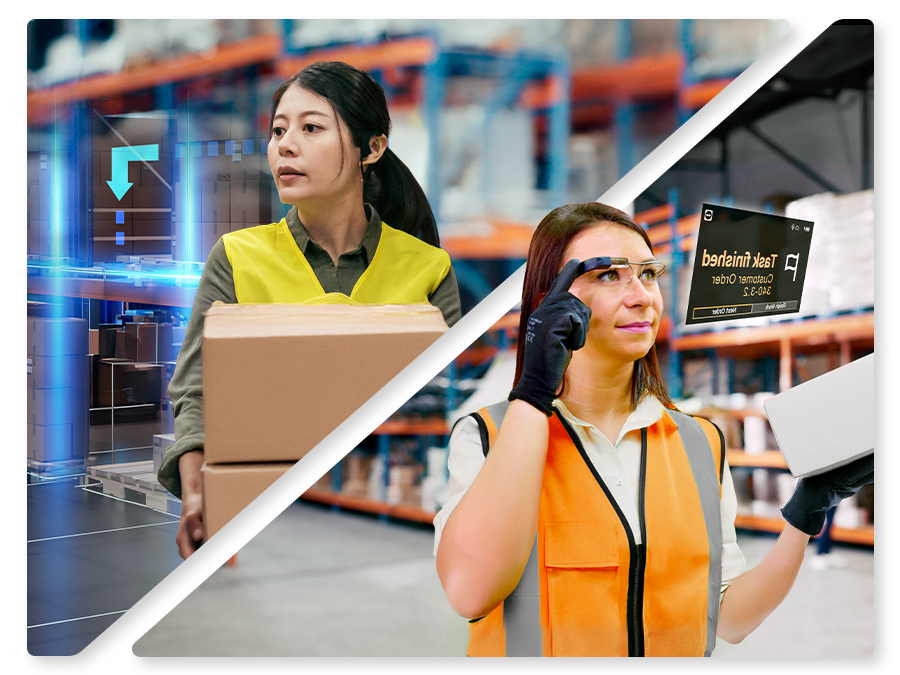
Frontline Pick enhances the best elements of pick-to-light systems, including speed, accuracy, and hands-free operation, and extends them to support a wider range of workflows. Workers use smart glasses or a wearable of their choice. Order-specific instructions appear directly in their field of vision.
Frontline Pick replaces thousands of bin-level light modules with a small set of wearables per worker, cutting infrastructure costs significantly and delivering ROI within months.
Frontline Pick delivers personalized, order-specific instructions into each worker's field of view, giving you the freedom to run any picking model your operation needs.
Frontline Pick delivers near-zero error rates through integrated quality control at every pick, giving you the tools to maximize order accuracy and aim for a 100% perfect order rate.
Frontline Pick applies the same step-by-step guided workflow principle beyond order picking. This makes it well suited to support kitting and manual assembly tasks, alongside inbound and outbound processes, training, and inventory workflows.
New workers reach full productivity in hours thanks to self-explanatory AR guidance that removes the need for lengthy classroom training.
TeamViewer Frontline Pick offers a software-driven alternative to pick-by-light systems. Rather than fixed hardware installed at every bin, workers are equipped with a small set of wearable devices, commonly smart glasses paired with a wearable scanner, that adapts to your workflows without disrupting your operation.
No shelf modules, no cabling, no bin-level hardware, just a small wearable kit per worker.
Build task instructions from images, text, audio, video, and annotations to match any workflow.
Deploy quickly in active production environments with no shelf-level installation and no operational disruption.
A simple, intuitive interface gives workers the right information at the right time, while managers monitor progress and troubleshoot remotely.
From Coca-Cola HBC to DHL, TeamViewer Frontline Pick is already being used by some of the world's biggest names in retail, logistics, and manufacturing. Find out how it can work for your facility.
Pick-to-light systems present real constraints across retail, logistics, and manufacturing. Here's how TeamViewer Frontline Pick addresses those limitations in each sector.
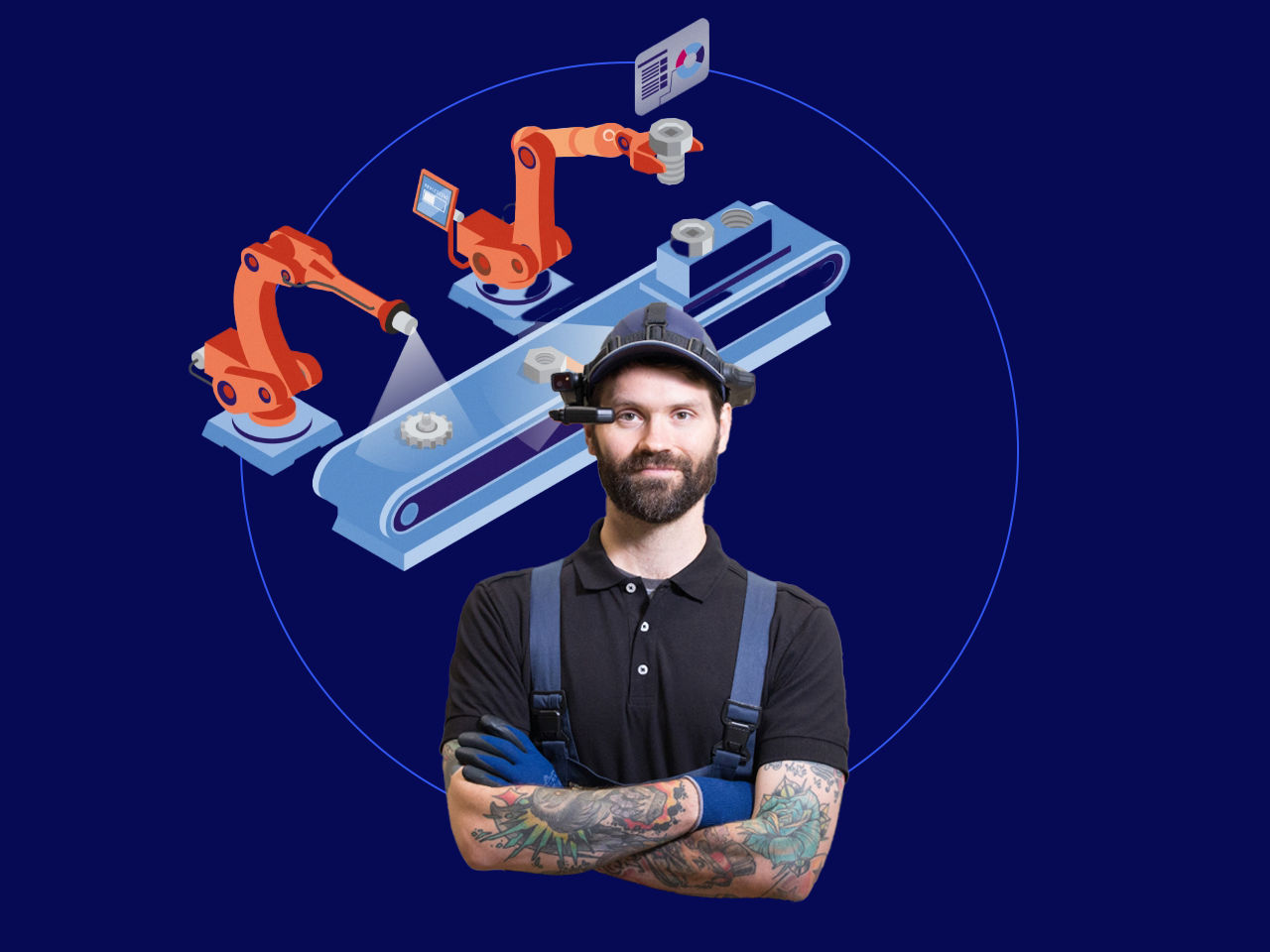
Frontline Pick helps retail operations scale easily, regardless of how the business evolves. When new product ranges arrive or new order types emerge, such as e-commerce or buy-online-pickup-in-store, you can rapidly reconfigure workflows without navigating complex hardware installation processes. Changes roll out quickly across every location, with no shelf-level work required.
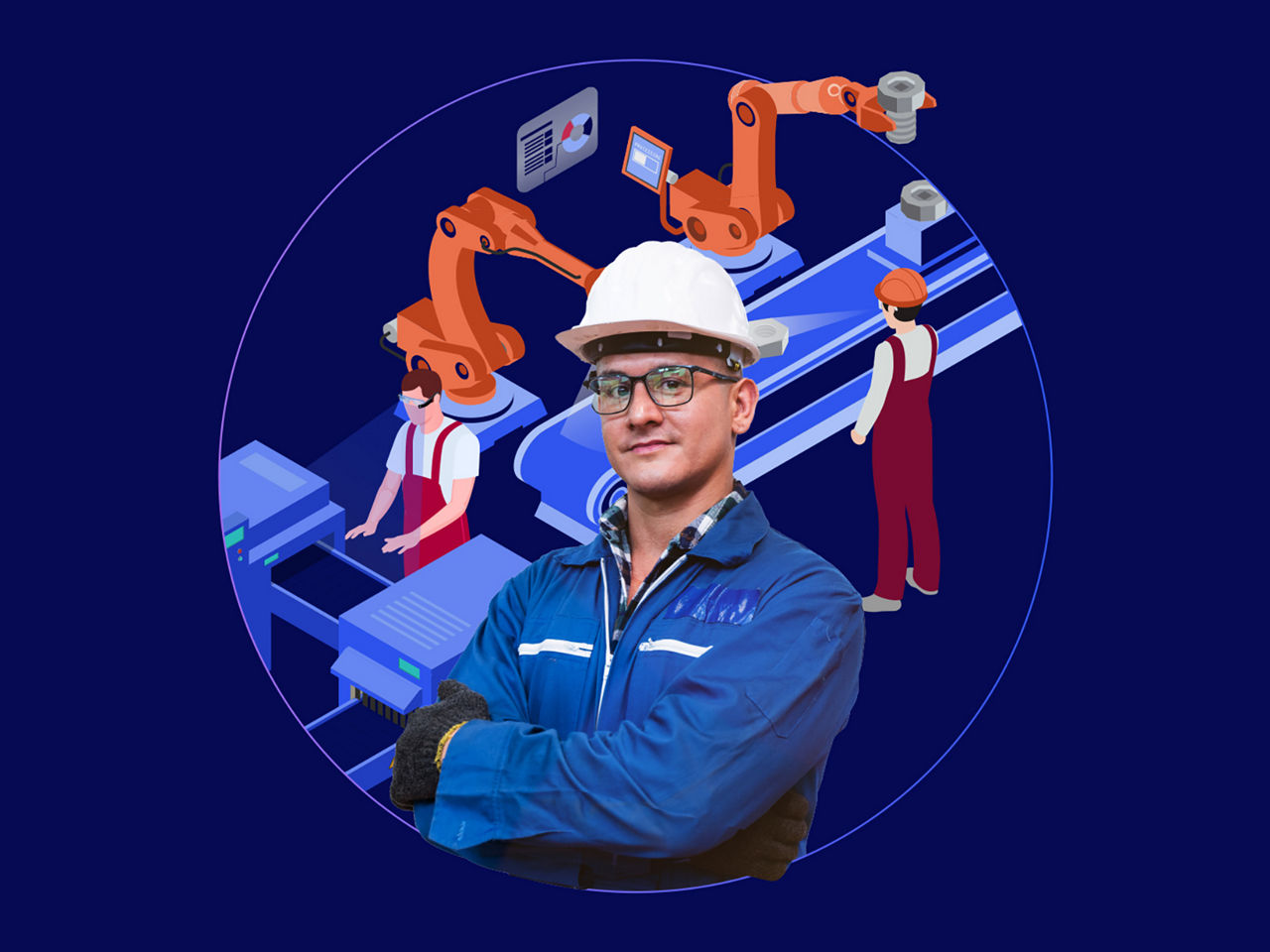
Logistics companies can deploy and scale Frontline Pick across all warehouses and fulfillment hubs without needing fixed light installations at each site. Workflows can be updated or changed on the fly, adapting to the changing needs of partners. This gives operations much greater scope to take on contracts that may not have been feasible with pick-by-light alone.
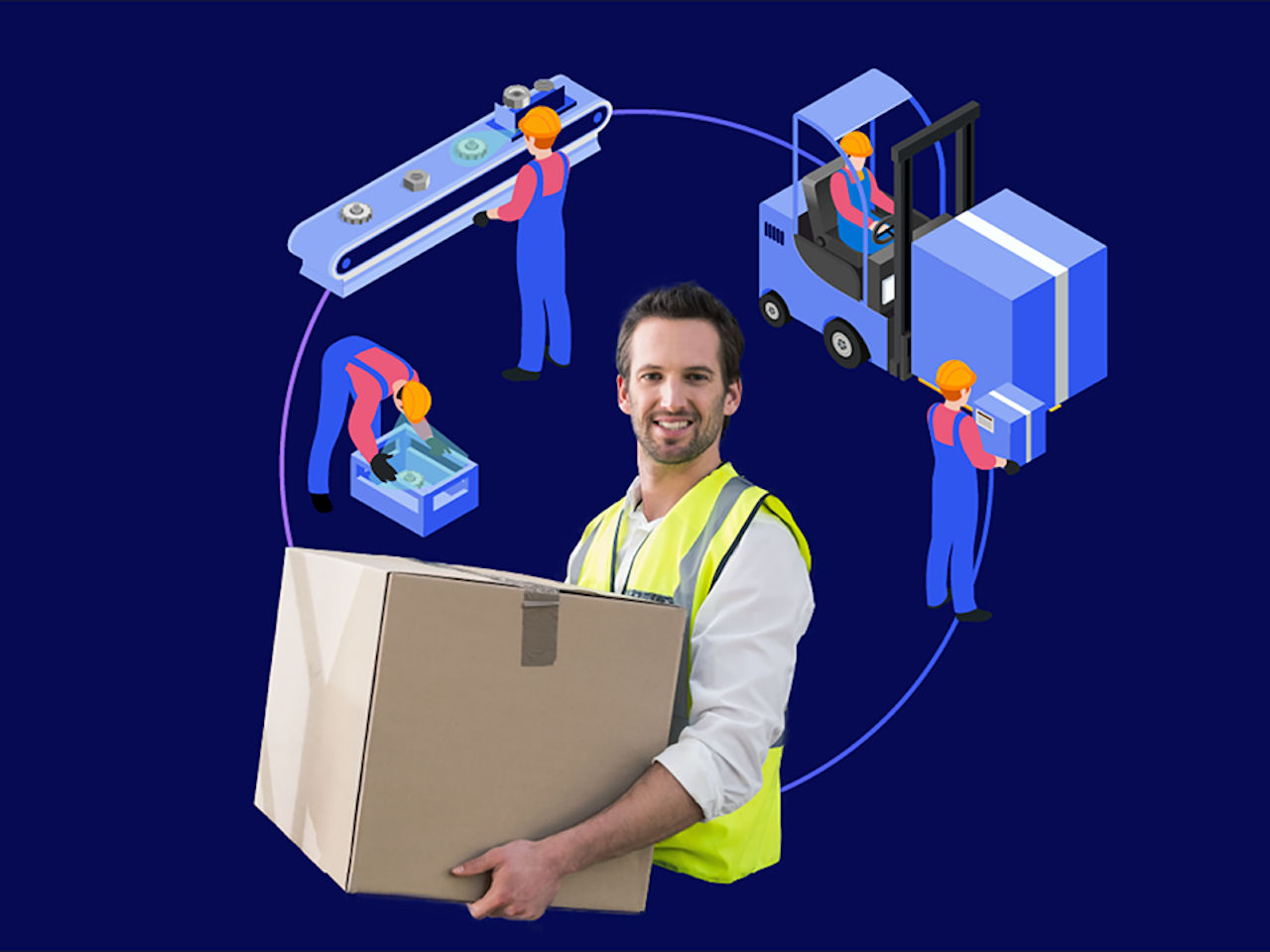
Pick-by-light can tell workers which components to pick. It cannot tell them how to assemble those components. When that guidance gap matters, a PTL system falls short quickly.
With Frontline Pick and the broader TeamViewer Frontline solution, you can build a holistic digital framework that supports your workers at every stage. Step-by-step, hands-free guidance, audio prompts, video content, and real-time remote assistance can help you maximize picking productivity and maintain quality control throughout your manufacturing process.
Pick-by-light and pick-to-light describe the same technology. Both terms refer to a warehouse order preparation system that uses illuminated shelf modules to guide order pickers to the right storage locations. PTL is the standard abbreviation used across the industry.
Most modern pick-to-light systems can connect to major WMS platforms, but many older PTL installations rely on proprietary connectors or custom middleware. This limits your flexibility when switching platforms or scaling your operation. Software-based alternatives like TeamViewer Frontline Pick use standard API-based integration and work with all major WMS providers.
Pick-to-light works well for simple component picking in manufacturing environments. But it falls short when workers need assembly instructions, step-by-step sequencing guidance, or detailed kitting support. Vision-based picking solutions are generally a better fit for pick-to-light manufacturing scenarios where more complex task guidance is required.
Both systems guide workers through picking tasks hands-free. Pick-to-light uses shelf-level light modules and indicator screens. Voice picking uses audio prompts through headsets. Voice picking is more flexible because it doesn't require fixed hardware installations, but it offers limited visual context. Vision picking combines the hands-free benefits of both approaches with richer, AR-powered guidance.
Pick-to-light is significantly more accurate than paper-based picking, with operations routinely reporting accuracy rates above 99%. But PTL systems are not error-proof. In busy pick-by-light warehouse environments with densely packed storage locations, workers can still misread signals or pick from adjacent bins.
Each inventory bin is assigned a light module. When an order is allocated to a picker, the lights for each relevant item illuminate automatically. The picker can see exactly which storage location to go to and how many items to take. After picking, they press the confirm button on the module, which turns the light off and registers the completed pick in the inventory management system.
The best picking system depends on your operation. For high-volume, stable SKU environments, pick-to-light systems deliver strong speed and accuracy. For operations managing a wide SKU range, complex kitting, or frequent workflow changes, vision picking solutions like TeamViewer Frontline Pick offer more flexibility, faster deployment, and lower infrastructure cost.