In manufacturing, machines need to keep running at all costs. The alternative, as any business owner knows, is lost production time, delays, and ultimately, lost money.
A recent global survey found that unplanned downtime costs the typical industrial business approximately USD125,000 per hour. And with rising business costs, downtime grows more costly in turn.
Unlike planned downtime, unplanned downtime typically has negative consequences for revenue, productivity, and customer satisfaction. But the good news is that smart solutions can play a huge part in preventing it.
Here, we're going to look at the role of remote technology in manufacturing. Smart solutions like TeamViewer can help to prevent equipment failure and downtime events.
In this article:
- The high cost of downtime in industrial environments
- How smart solutions are transforming industrial operations
- Practical steps to reduce downtime with smart solutions
- How TeamViewer drives uptime in industrial environments
- Summary: Smarter solutions, more productivity
The high cost of downtime in industrial work environments
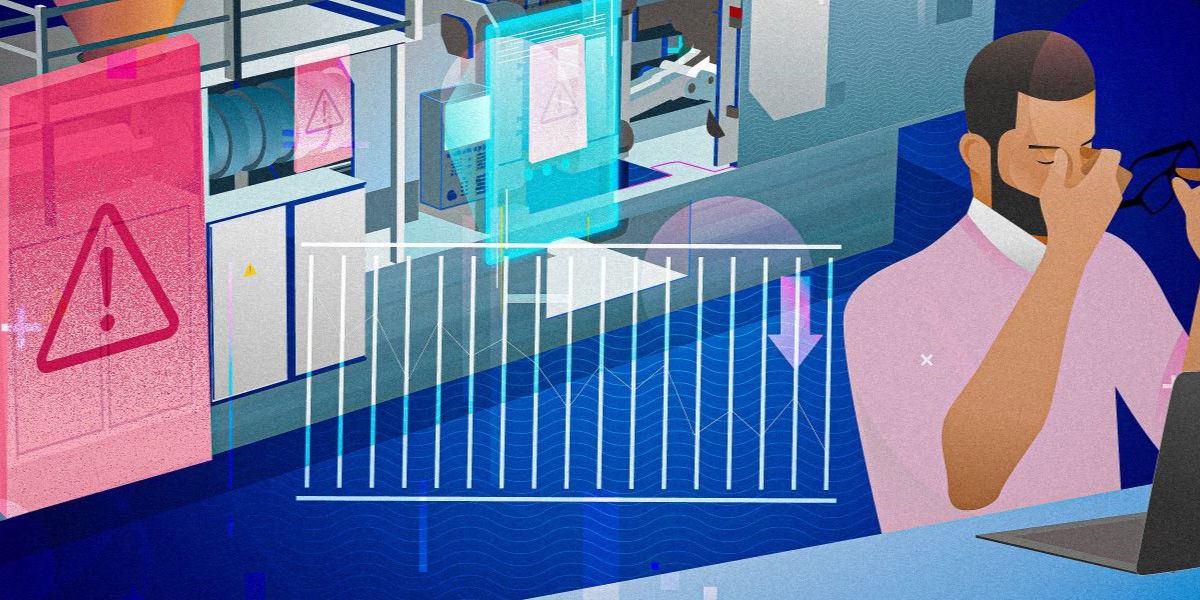
As you'll know, downtime in manufacturing isn’t just about machines stopping, it’s about all the ripple effects. Lost time involves high costs, missed deadlines, and unhappy customers.
Disruption to everyday operations
Imagine a key piece of equipment breaking down. The production line stops, workers wait, and orders pile up. As a result, you'll also be unable to uphold shipping and customer commitments.
The hidden costs of downtime
The costs of unplanned downtime far exceed the cost of repairs or replacements. After all, unhappy customers will go elsewhere eventually. If you stop and restart equipment too often, it will also wear out faster.
At the same time, safety risks also rise when workers rush to fix issues, sometimes using shortcuts that aren’t up to standard. Tracking downtime effectively and identifying the right type of downtime—whether planned or unplanned—can help navigate this problem.
Why reducing downtime matters
Downtime isn’t just an annoyance—it can do serious and lasting damage to your competitive edge. That’s why manufacturers are turning to solutions like TeamViewer. These help track downtime, monitor equipment, troubleshoot quickly, and even prevent issues before they happen.
By cutting downtime, manufacturers can keep customers happy, protect their bottom line, and stay ahead.
How smart solutions are transforming industrial operations

Smart technologies change the way manufacturers operate, reducing unplanned downtime and boosting efficiency. Tools like IoT sensors, real time monitoring, and remote connectivity are at the heart of this transformation.
Proactive and predictive maintenance
With IoT sensors, you can track equipment health and spot problems before they happen. Predictive maintenance can reduce downtime by 30-50% and increase machine lifespan by 20-40%, according to McKinsey & Company.
A well-planned maintenance schedule helps reduce the cost of spare parts and repairs while preventing production delays. Preventative maintenance is a key strategy in reducing machine downtime.
Real time monitoring and analytics
Real time monitoring provides constant oversight, keeping operations on track. By analyzing data, manufacturers can identify and fix bottlenecks before they cause delays.
In fact, 53% of manufacturers say real time monitoring has improved production efficiency, as highlighted by Zenzero. This means fewer disruptions and smoother workflows.
Automation and remote connectivity
According to Aptean, 89% of manufacturers recognize technology as key to improving workflows. Automation reduces human error and delivers consistency, while remote connectivity supports teams to troubleshoot issues from anywhere. As a result, they’re increasingly essential to reducing downtime and remaining competitive.
Practical steps to reduce downtime with smart solutions
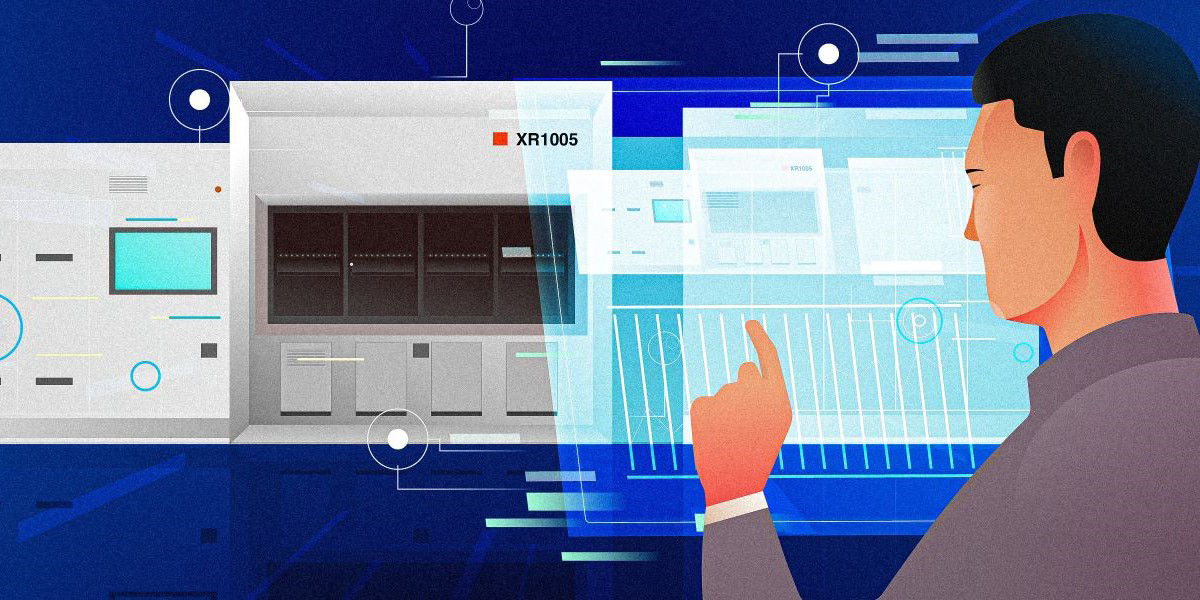
Reducing downtime starts with a clear strategy and the right tools. Here’s how manufacturers can take practical steps to implement smart solutions and keep operations running smoothly.
Assess and prioritize pain points
The first step is identifying where downtime hurts the most. Which systems or processes cause the biggest disruptions?
Once those pain points are clear, teams can create a roadmap for integrating smart technologies where they’ll have the most impact. A well-structured plan ensures that upgrades happen efficiently and deliver measurable results, aided by downtime tracking.
Build a connected infrastructure
Smart solutions thrive on connectivity. Remote technologies unite disparate systems, delivering seamless communication across machines and teams.
Integrating IoT sensors with remote monitoring tools can improve uptime significantly by providing real time insights into equipment health. In fact, the above McKinsey study found that using these tools can boost productivity by 15-25%.
Training and change management
Technology alone isn’t enough—teams need to understand and embrace it. Training employees to use new tools effectively ensures a smooth transition and maximizes the benefits of smart solutions.
Change management is key here, along with ongoing support and updates to keep systems and skills sharp. According to Aptean, organizations that invest in training and technology adoption see significantly better outcomes.
By building connectivity and focusing on people, you can create a smart, resilient, and competitive operation with minimal downtime.
How TeamViewer drives uptime in industrial environments
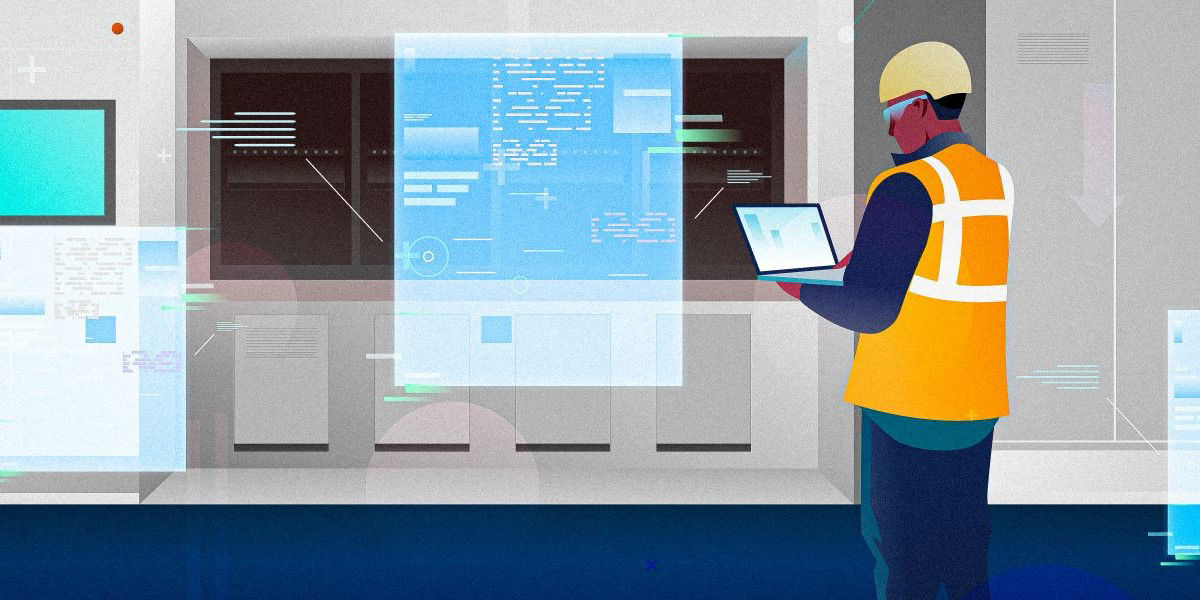
TeamViewer’s smart solutions are helping manufacturers and logistics providers reduce downtime and boost efficiency. From predictive maintenance to remote support and IoT device management, TeamViewer is transforming how industries operate.
Key capabilities: What sets TeamViewer apart
- Predictive maintenance: IoT sensors and real time data help predict and prevent equipment issues, reducing costly failures.
- Remote support: Technicians can diagnose and resolve problems remotely, minimizing disruptions and cutting repair times.
- IoT device management: With seamless connectivity across devices, TeamViewer ensures smooth operations and improved uptime.
Real-world impact: Proven success stories
Here’s how TeamViewer is making a difference for leading companies:
- Schnellecke Logistics: Using TeamViewer’s Frontline Pick technology, Schnellecke optimized their logistics processes, boosting accuracy and efficiency.
- Toyota: With TeamViewer Frontline, Toyota’s mechanics now use smart glasses to connect with remote experts for real time troubleshooting.
- DHL: Implementing TeamViewer’s vision picking software, DHL improved warehouse efficiency and accuracy through smart glasses technology.
Summary: Smart solutions, more productivity
Smart technologies reduce downtime, improve efficiency, and keep customers satisfied. IoT sensors, real time monitoring, and remote support help track downtime and prevent issues before they happen. Connected solutions and skilled teams create resilient, efficient operations that stay competitive.
Partnering with TeamViewer means access to tools for maintenance and remote troubleshooting. Trusted by industries like automotive and logistics, TeamViewer delivers proven results.

Explore more insights
-
TeamViewer gives you security controls without slowing down your productivity.
-
Learn how to fix corrupted files on Windows 10 using built-in tools like SFC and DISM. Resolve system crashes and restore stability with our expert guide.
-
Innovation is great—but not at the expense of operational stability. Some tips for balancing AI and automation with your daily operations.

Let’s prevent downtime, together
Explore how TeamViewer can help reduce downtime in your industrial environment today.