
Inclusive futures: How technology is shifting from bias to empowerment
Connect and support peopleOur technology has come a long way. However, there is still lots of work to do. Rather than being neutral, it often still reinforces the usual biases and stereotypes of the real world.
Much of this comes down to representation. As our own Faith Wheller wrote recently, most of our technology is still made by a small segment of the population — by and large, white men living in the Global North. As a result, it tends to be designed for people that look, think, and feel much the same as they do.
Here, we’re going to consider some examples of how technology reproduces the biases of our everyday life, before turning to some incredible ways that it’s being used to truly work for everyone.
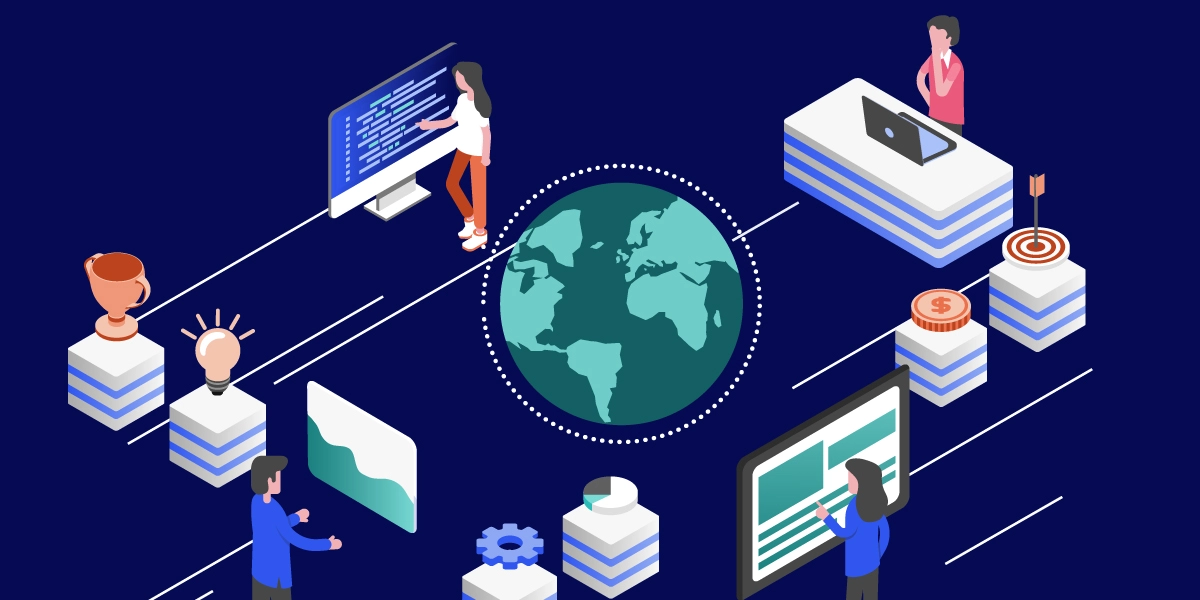
Some examples of how technology reproduces biases
1. AI-generated images
While still a new technology, AI image generators have been shown to reproduce stereotypes along with racist and misogynistic biases. Testing one such generator, the The Washington Post found that the prompt ‘a person at social services’ generated images of solely non-white people. By contrast, only white people were shown with ‘a productive person.’ We can only hope that the algorithms guiding these AI grow more sophisticated in time.
2. Office heating
Ever noticed your male colleagues walking around the office in T-shirts while your female colleagues shiver in wooly cardigans? Well, not so long ago a study found that the average metabolic rate of women performing light office work is significantly lower than that of men doing the same work.
In effect, this means women are working in offices that are perfect for men, but on average five degrees too cold for them. Which, in very real terms, means offices are a bit more uncomfortable for women all over the world.
3. Voice recognition software
Here, too, our technology has a long way to go. A Stanford study found that the five main voice recognition tools made about twice as many errors for Black speakers than for white speakers. Not only this, but they also have a long history of gender bias, more readily understanding male voices than female.
4. Crash test dummies
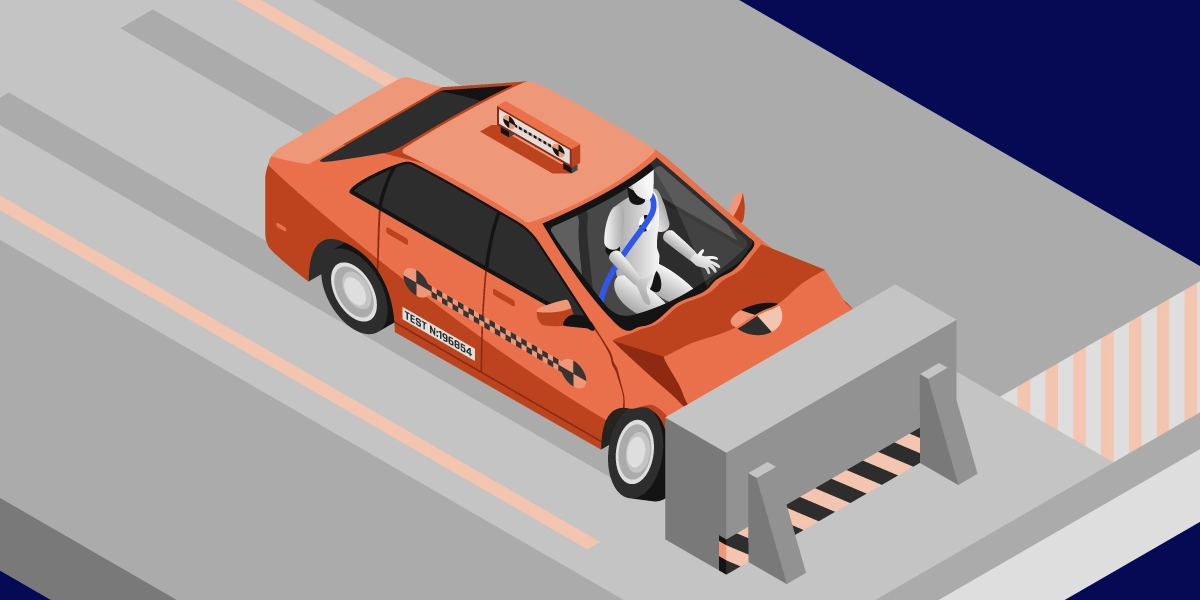
Cars are designed to fit male bodies, and even now, female crash test dummies — if they are used at all — are little more than scaled-down men. Little surprise, then, that when women are in a car crash, they are 47% more likely to be seriously injured — and 17% likelier to die — than men.
5. Fitness monitors
If you are someone who often walks pushing a pram, you might have noticed that your Fitbit underestimates your step count. And you’re not alone in this — many users report that the device fails to account for this kind of movement. Another study found that common fitness monitors grossly underestimated the step counts and calories burned during domestic work. All of which leads to a devaluing of typically female work.