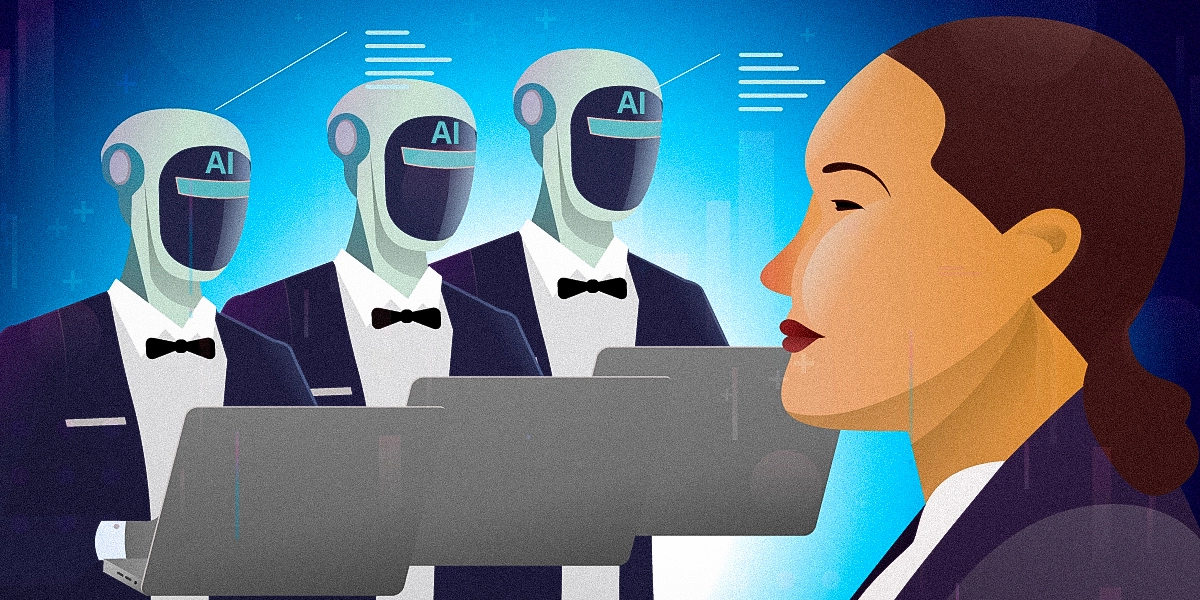
In practice, that collaboration means humans guide AI agents, review their actions, and step in when judgment calls are required. AI can handle execution at speed, but people remain responsible for context, risk, and decision-making. That shift allows teams to focus more on strategic security initiatives, compliance improvements, or infrastructure upgrades instead of routine password resets and basic troubleshooting.
The result is an expansion of what IT teams can accomplish without expanding their headcount. By offloading repetitive work to agents and keeping humans focused on oversight and expertise, companies can operate at the level of much larger or better-resourced teams.
What can companies delegate first?
Having said all of this, it's best not to hand everything over to AI agents immediately. For companies just starting with agentic AI in IT, the most effective approach is to begin with tasks that reduce manual effort without introducing operational risk.
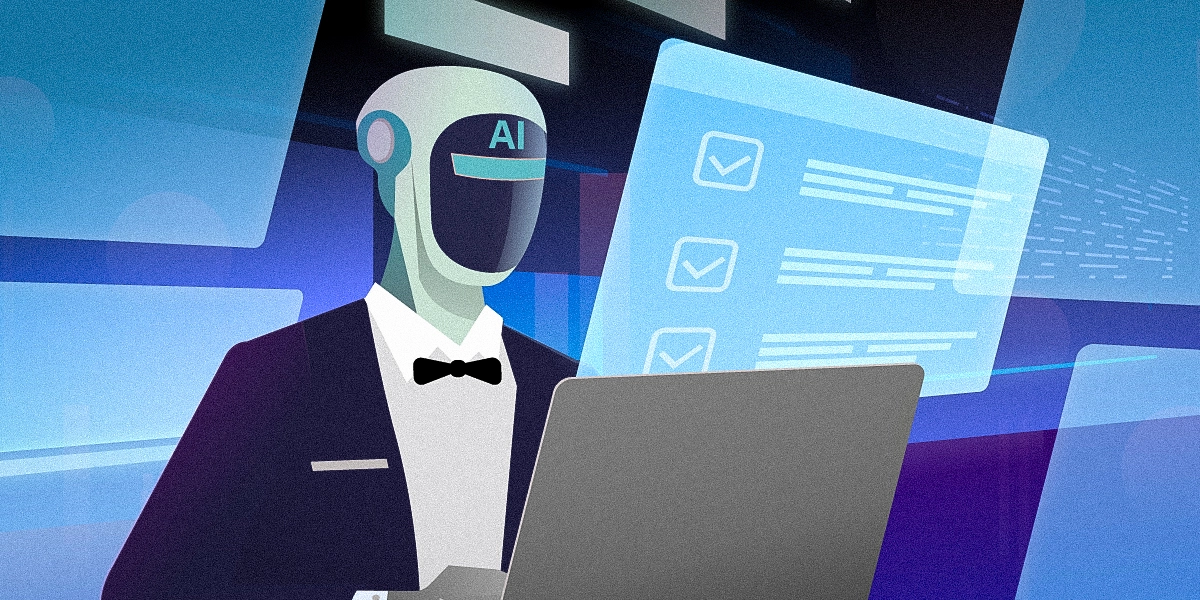
That often starts with diagnostics and planning. For instance, when users report an issue, the agent, with access to your knowledge base, can generate a tailored diagnostic checklist that outlines the steps to take, and specifies the checks to perform, like a typical remediation plan. In the past, written knowledge base articles were very static. You'd need to find the right one and follow a fixed set of steps. Now, the agent can generate that guidance in real-time without making changes to the environment itself.
Once that guidance is consistently accurate, execution can follow. The agent might propose a set of remediation steps and ask for approval before proceeding. An IT admin can accept the plan, refine it, or add context specific to the environment. The human makes the decision; the agent handles the execution.
Routine system maintenance is another area where delegation makes sense early. Tasks like applying security patches, updating software versions, cleaning temporary files, or managing user profiles follow predictable patterns. Agents can take care of the repetitive work, while your IT team defines policies, review outcomes, and step in when exceptions arise.
Summary
Agentic AI doesn’t replace IT teams or remove the need for human judgment. Instead, it changes how work is distributed. Routine execution shifts to systems that can operate continuously and consistently, while IT teams stay focused on oversight, context, and decisions that carry risk.
The result is an IT function that can scale without simply adding headcount. Teams spend less time reacting to individual tickets and more time shaping how systems behave overall, improving reliability, security, and long-term resilience.