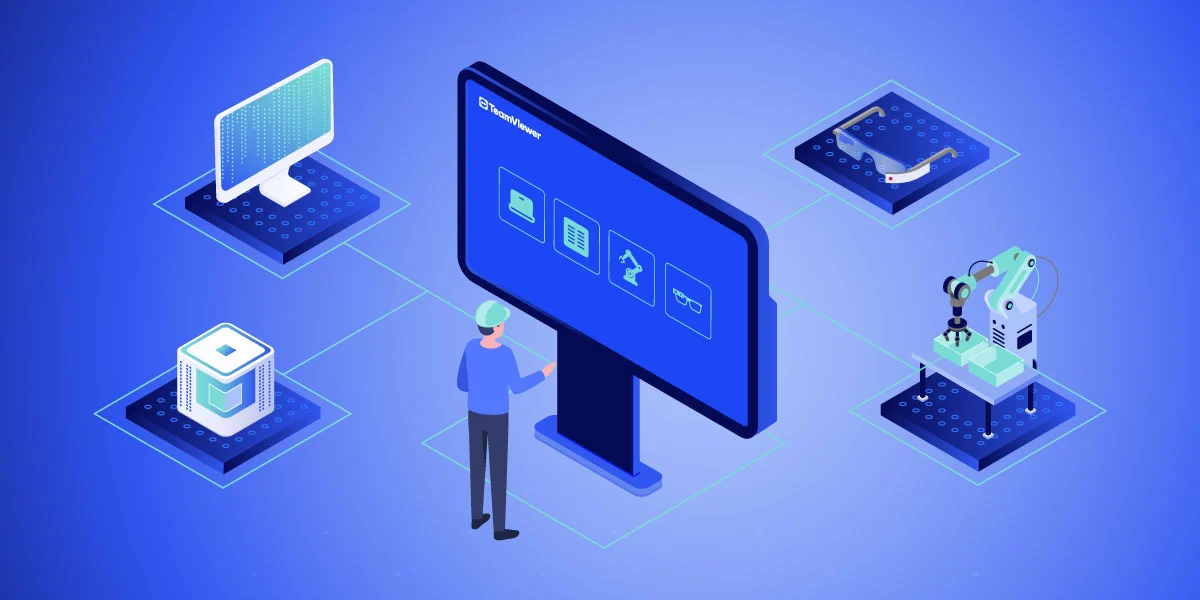
In the factory of the future, IT and operational technology (OT) need to integrate seamlessly. IT managers wanting to implement new digital tools need to understand the technology and the needs of plant managers.
They need to understand both realms, their differences, and similarities. From a smart factory point of view, connecting in the physical world means connecting the real time data across the whole factory.
While it may sound straightforward, bridging this gap is far from easy. And the problem is cultural rather than technological. IT managers and plant managers have different opinions and priorities on how to use data. When implementing new technology in a factory, IT people tend to think it is a lot easier than it is.
Plant managers, by contrast, tend to be more realistic. They want unbroken productivity and minimal disruption. Typically, they prioritize high efficiency, productivity, and keeping production running under any circumstance. This can cause problems as their priorities appear to be opposed.
For example, IT and OT managers have different measurements of success. IT focuses on metrics like service availability, mean time to resolve, support tickets, average handling times, and IT security.
OT, by contrast, focuses on metrics like overall equipment effectiveness, set-up time, jobs per hour, defects, losses, downtime, and utilization metrics. In reality, both the IT and OT side want the machines to work together seamlessly and efficiently.
The first step in smart factories is getting IT and OT to see eye-to-eye. This means enabling the IT side to manage the data infrastructure and software stack on the OT side.
On the OT side, it means supporting them to believe that this shift is beneficial and buy into it. It needs to be practical, working and robust. Once working relationships are established, you can focus on smart factory technology.
Read more: IT and OT: So close, yet so far
Remotely controlling your factory