Rethinking digital workplace security
With the right digital transformation strategy, you can stay secure, compliant, AND competitive.
Digital transformation sits at the top of executive agendas, and 78% of business leaders rank it among their strategic priorities. Yet cybersecurity concerns consistently emerge as the primary barrier to progress.
This creates tension. Organizations need digital transformation to remain competitive, but security requirements often constrain the very initiatives meant to drive growth. The result is a strategic impasse where progress stalls under the weight of risk management.
But the companies breaking through this constraint aren't choosing between speed and security. They're building integrated approaches that deliver both.
Fragmented systems increase security exposure

Most companies don't set out to build siloed systems. But that's often the result.
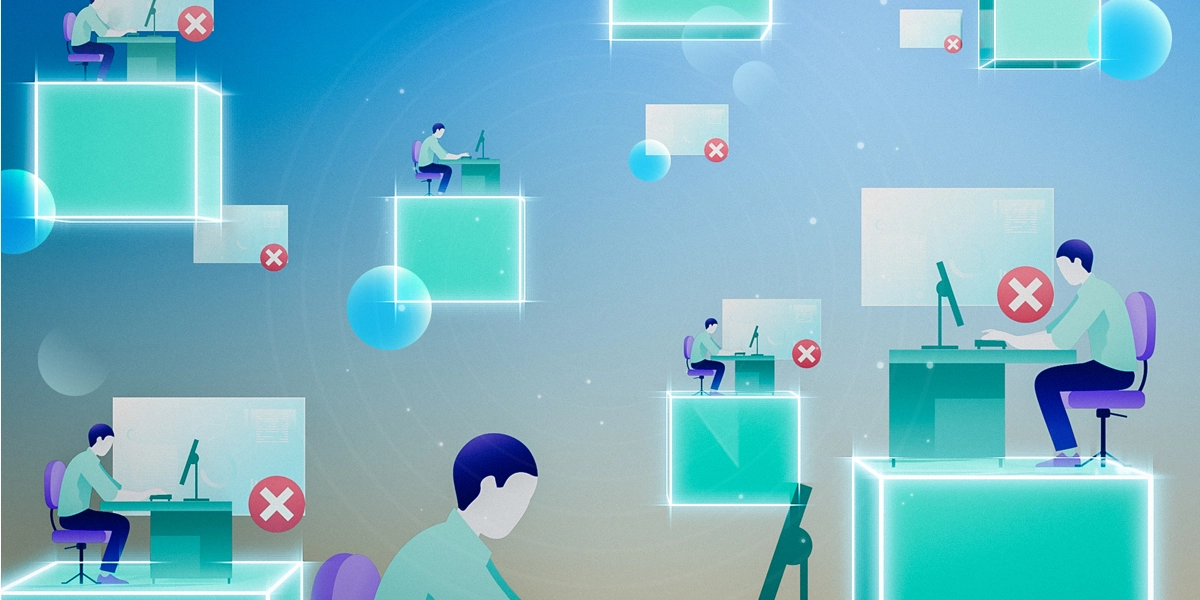
This is due to the fact that different teams adopt tools to solve local problems. Collaboration platforms, automation software, and remote access tools enter the environment at different times, with varying levels of oversight. Security often gets applied unevenly across these silos. Over time, the result is a patchwork of systems, platforms, and access points that don't connect well.
In fact, according to our research, 71 percent of organizations say their IT and operational technology systems are siloed. The problems start small: a tool without central access controls, a process that relies on manual compliance checks, or a vendor system no one monitors closely. But at scale, this becomes a structural issue.
When systems are fragmented:
- Unauthorized tools enter unnoticed.
- Remote access expands without governance.
- Visibility is limited across departments and locations.
- Security teams can't enforce consistent policies or spot anomalies quickly.
Each isolated system becomes a weak point. And when breaches happen, the response is slow because no one has a full view of what's happening.
Silos make compliance a moving target
Fragmented systems don't just create security risks; they make compliance more difficult too.
Companies with a global presence face a web of regulatory requirements that vary by region and industry such as the General Data Protection Regulation (GDPR) in Europe, the Sarbanes-Oxley Act (SOX) in the United States, and local data protection laws in Asia. Each jurisdiction demands different controls, documentation standards, and audit trails.
When remote access tools, collaboration platforms, and operational systems operate in isolation, proving compliance can become nearly impossible. Security teams spend months preparing for audits, manually collecting logs from disparate systems, trying to piece together a coherent picture of access patterns and data flows. All while maintaining operational efficiency.
Without centralized visibility and control, compliance becomes a reactive exercise. Teams scramble to gather evidence, often discovering gaps only when auditors arrive. The result is not just regulatory risk, but significant operational overhead that diverts resources from strategic initiatives.
However, organizations that consolidate their digital workplace infrastructure find that compliance becomes a byproduct of good governance rather than a separate burden.
A digital workplace strategy is the key to security at scale
Brands that are breaking through this paradox aren't doing it by adding more security tools. They're implementing digital workplace strategies that integrate solutions while keeping operations secure.
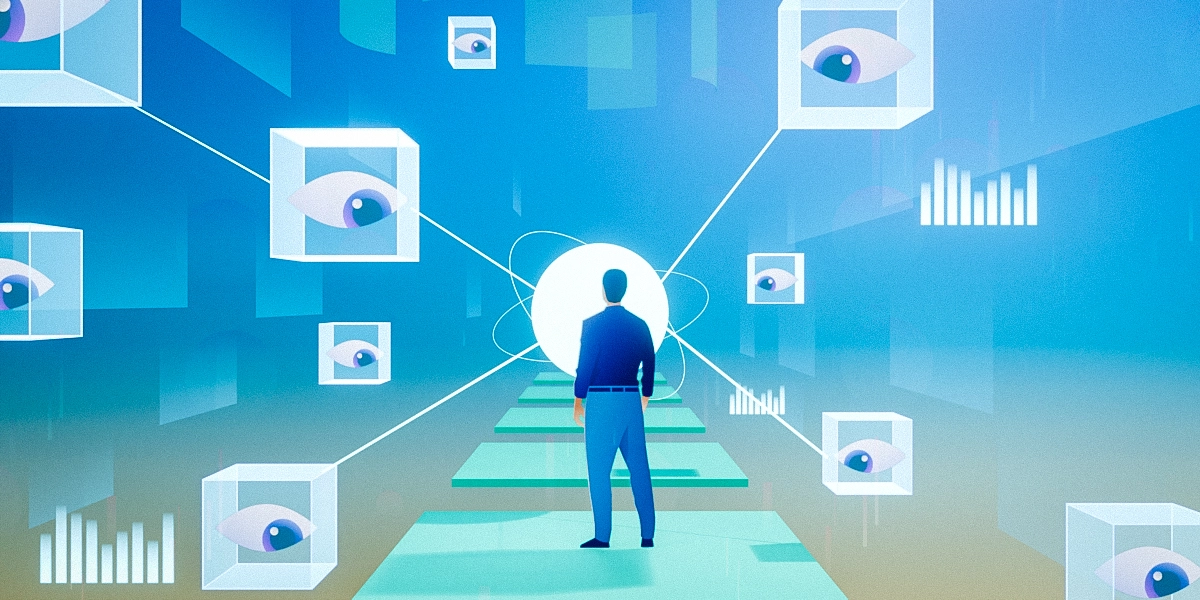
Instead of relying on scattered systems and department-level decisions, they're building a workplace strategy that connects systems by design. This means establishing a consistent approach to remote access, implementing shared oversight across IT and operational environments, creating integrated logging and monitoring across endpoints, and enforcing security controls through centralized management.
The result is fewer blind spots, faster incident detection, and a clear understanding of who has access to what, from where, and when.
Consider how this plays out in practice. Traditional approaches might involve separate tools for remote support, collaboration, and system monitoring. Each requires its own credentials, generates its own logs, and operates under different policies. Security teams struggle to correlate events across systems, and compliance officers face the nightmare of aggregating evidence from multiple sources.
A unified digital workplace strategy flips this dynamic. When remote access, monitoring, and compliance reporting flow through integrated systems, security teams gain real-time visibility across the entire environment. They can detect anomalies faster, respond to incidents more effectively, and demonstrate compliance through automated reporting.
This isn't about slowing down to be more secure. It's about building infrastructure that enables both speed and security. When the foundation is solid, teams can move faster because they're not constantly managing exceptions and workarounds.
How Bühler eliminated silos without compromising operations
Bühler demonstrates how this approach works at scale. The Swiss plant manufacturer operates in over 140 countries, with more than 1,000 technicians delivering remote support to food production facilities worldwide.
Their previous remote support software did not guarantee optimal customer support. The software was difficult for customers with limited IT knowledge to use. Support sessions in rural areas frequently broke down due to poor internet infrastructure. Critically, there was no documentation of support sessions, which prevented them from obtaining cybersecurity certification according to ISO 27001.
They established clear control by consolidating access through a centrally managed platform, TeamViewer Tensor. Security teams could monitor all remote sessions in real time. Conditional access rules are applied globally. Session logs provided the audit trail necessary for compliance.
This led to reduced customer downtime, significant travel cost savings, and the achievement of ISO 27001 certification.
Read more: Bühler relies on digital support processes with TeamViewer to support its plants and customers
A connected workplace is a more secure workplace
Companies don’t need to choose between moving fast and staying safe. The real decision is whether to keep patching together fragmented tools or to build a workplace strategy that puts integration and control at the center.
The right digital workplace strategy brings systems together. It reduces silos, increases visibility, and makes it possible to manage security consistently across the entire environment.
This isn’t about slowing down. It’s about having the confidence to move forward, because the structure is sound. When security teams can see and govern the whole environment, they spend less time reacting and more time enabling the business.
The organizations getting this right aren’t just avoiding risk. They’re building momentum.
All your IT essentials. ONE groundbreaking platform.
TeamViewer ONE brings together everything you need to support a modern digital workplace—securely, proactively, and at scale. Built for IT teams that do more with less.
Explore more insights