
MFA for remote access adds a second layer of identity verification—such as a code or biometric scan—when users connect from outside the network. It helps prevent unauthorized access due to stolen or leaked credentials.
MFA remote access: Protecting your systems against cyber threats
As cyber threats continue to rise, traditional password-based authentication simply isn’t enough to protect sensitive systems and data. According to a recent KPMG study, 84 percent of companies report an increased threat landscape, yet many overestimate their ability to detect and defend against attacks. This gap highlights the urgent need for stronger identity controls. That’s where multi-factor authentication (MFA) comes in.
This article explores why MFA for remote access is essential for protecting your infrastructure against credential theft, phishing attempts, and unauthorized logins. We’ll explain how MFA works in remote environments, outline key implementation challenges, and share actionable best practices.
What is multi-factor authentication (MFA)?
Multi-factor authentication (MFA) strengthens access control by requiring users to verify their identity using two or more independent checks. Instead of relying on just a password, MFA adds a second layer such as a mobile prompt, biometric scan or time-based code. This makes it significantly harder for attackers to gain access, even if login credentials are stolen.
In the context of MFA remote access, this extra layer of protection plays a critical role. Whether employees connect to systems via remote desktop protocol (RDP), virtual private networks (VPNs), or cloud applications, MFA helps confirm that the person requesting access is truly authorized to do so.
Why secure remote access needs more than passwords
In remote and hybrid work environments, traditional password-based logins are no longer enough. Attackers are constantly evolving their methods, and relying on a single authentication factor leaves organizations vulnerable.
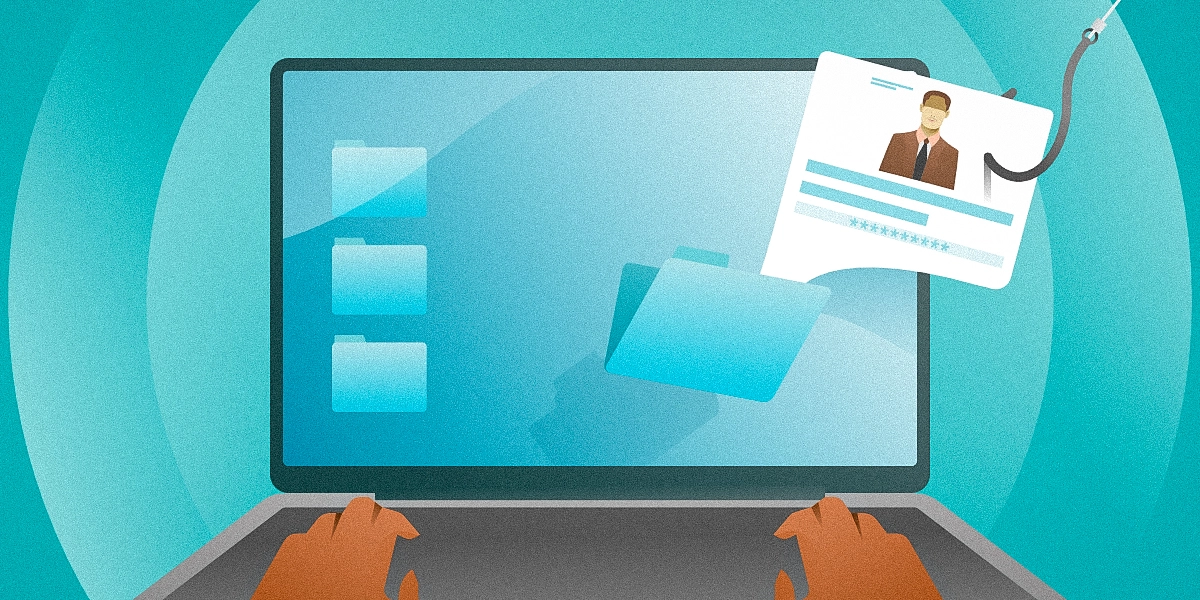
Password vulnerabilities: Phishing, leaks, and human error
Even strong passwords can be compromised. Attackers exploit common weak points in password-based authentication, especially in remote setups. Here are key risks:
- Phishing emails trick users into revealing credentials
- Reused passwords across services expose entire systems
- Leaked login data from unrelated breaches can be exploited
- Human error remains a constant security risk in access management
Once attackers gain access, they can move laterally through systems, targeting sensitive data, admin tools or user accounts.
Remote access amplifies risks
Remote work expands your attack surface. Each login from outside your secured network creates a new opportunity for unauthorized access.
Typical remote access risks include:
- Unsecured remote desktop services
- Exposed VPN logins without MFA
- Cloud apps accessed without second-layer verification
- Outdated MFA policies or missing enforcement for remote users
When MFA for remote access is missing or inconsistent, attackers can exploit a single password to infiltrate your infrastructure. By introducing multiple authentication methods, such as a code sent to a trusted device or a biometric scan, you reduce risk and support compliance with industry standards.
Challenges of implementing MFA for remote environments
While multi-factor authentication is essential for securing remote access, rolling it out across a modern IT environment can present real challenges.
Complexity across device types
Today’s remote workforce uses a wide range of devices to connect, including managed laptops, personal smartphones and tablets. Ensuring that MFA methods work seamlessly across all of them is a technical and operational challenge.
IT teams need solutions that are flexible enough to support both on-premise and cloud-based devices while maintaining consistent security controls. In this context, centralized MFA settings, user-friendly onboarding, and integration with systems like Active Directory can streamline management and reduce friction for the remote user.
User experience vs. security
Security protocols should never come at the cost of productivity. If implementing multi-factor authentication adds too much friction, users may resist adoption or look for workarounds.
To avoid this, organizations should choose MFA solutions that prioritize user convenience without compromising safety. Features like adaptive authentication, biometric login, or single sign-on (SSO) help maintain a smooth experience while still verifying the user’s identity. The goal is not only to enforce protection but also to ensure that users log in securely, without unnecessary obstacles.
Cloud vs. on-premises access
Many organizations operate in hybrid environments, where some services are hosted in the cloud and others remain on internal servers. This duality introduces complexity when implementing MFA. Cloud services often provide built-in options, while on-premise environments may require custom integrations or dedicated gateways.
Security leaders must evaluate how well their chosen MFA policies align with both their current infrastructure and future roadmap. Solutions that support both cloud resources and network access to legacy systems offer more flexibility and help maintain a consistent security posture across all remote connections.
How MFA for remote access works
MFA adds a dynamic layer of security across all critical remote access points. Whether users connect via RDP, VPN, or cloud platforms, authentication workflows must adapt to varied devices and risk levels. The following sections explain how these mechanisms function and where they matter most.
Typical MFA workflows
In most workflows, users first enter their username and password. Then, they are prompted to verify their identity using a second factor, such as:
- A push notification sent to an authentication app
- A one-time code generated by a hardware token or mobile app
- A biometric scan like facial recognition or fingerprint verification
Some modern MFA solutions even use adaptive authentication, adjusting the required methods based on the user’s location, device, or behavior to maintain a balance between user convenience and stronger security.
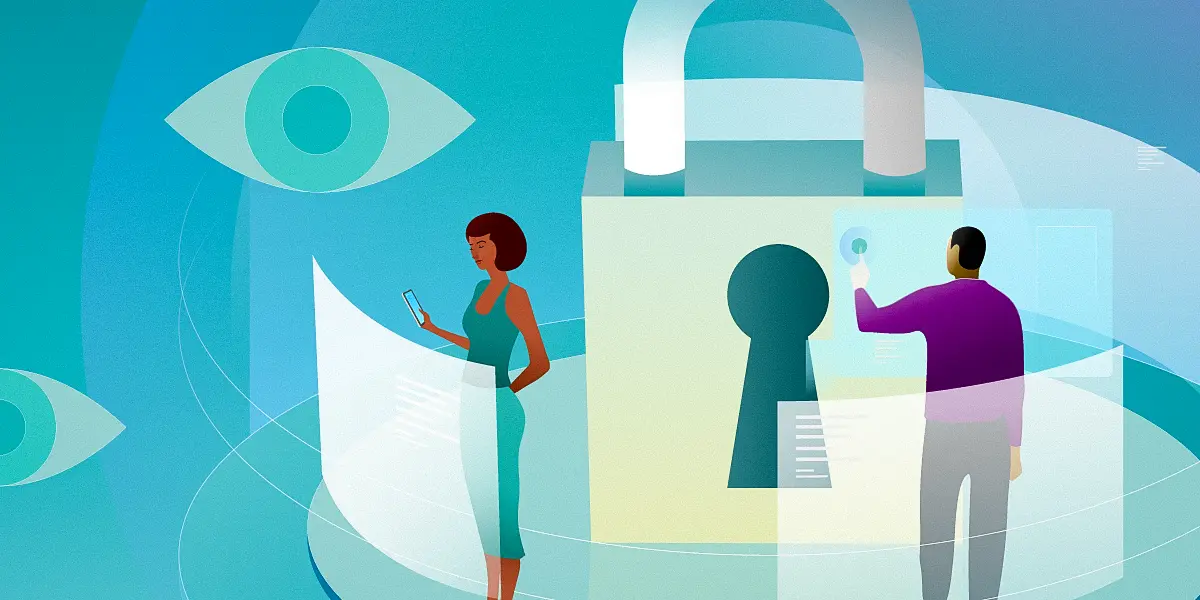
Some modern MFA solutions even use adaptive authentication, adjusting the required methods based on the user’s location, device, or behavior to maintain a balance between user convenience and stronger security.
Application in RDP, VPNs, and cloud apps
MFA is not limited to browser-based logins. It plays a crucial role across various remote access methods. In remote desktop protocol (RDP) environments, MFA helps prevent attackers from gaining direct access to internal systems through stolen credentials.
For organizations using VPNs, MFA helps ensure that only verified users can establish an encrypted tunnel into the corporate network. This is especially important in sectors where compliance with industry regulations is non-negotiable.
Cloud platforms also benefit significantly from MFA. With business-critical applications hosted outside the company’s perimeter, protecting logins with two-factor authentication becomes essential to prevent data breaches and maintain control over remote user access.
Wherever users log in, whether from desktops, mobile devices or web interfaces, MFA remote access capabilities reduce the attack surface and bring organizations in line with modern security protocols.
Best practices for deploying MFA for remote access
To unlock the full security potential of MFA remote access, organizations need more than just basic implementation. A strategic rollout ensures consistent protection and long-term success. These best practices help you build a reliable, future-ready authentication framework.
Enforce MFA for all remote connections
Not all MFA is created equal, and not all users are protected by default. To reduce exposure, organizations should require multi-factor authentication across every remote access point, regardless of user role or device type. This includes remote desktop connections, VPN access, and browser-based entry points to cloud platforms.
By enforcing MFA for remote access company-wide, you close the gaps that attackers often exploit, especially when targeting remote users or undersecured endpoints.
Use modern authentication methods
To stay ahead of threats and meet user expectations, your MFA strategy should go beyond SMS codes or outdated token generators. Prioritize modern authentication factors such as:
- Time-based one-time passwords (TOTP)
- Push notifications through trusted apps
- FIDO2 or other hardware-based methods
- Biometric authentication on supported devices
These approaches offer stronger protection and faster workflows, helping IT teams balance user convenience with stronger security in today’s remote-first world.
Integrate with single sign-on (SSO)
For organizations managing multiple platforms and services, integrating MFA with single sign-on (SSO) streamlines the login experience while maintaining robust access controls. With SSO, users log in once and securely access all connected tools, without repeatedly entering credentials.
Combined with MFA, SSO strengthens your security protocols and reduces the likelihood of credential fatigue or password reuse, both of which are common attack vectors in today’s digital landscape.
Regularly audit and update MFA settings
Implementing MFA is not a one-time action. Threats evolve, user behavior changes, and systems get updated. That is why it is critical to regularly audit your MFA settings, review access logs, and adjust policies where needed.
Incorporating penetration testing and reviewing compliance with industry regulations helps you validate your defenses. Updates may include removing unused MFA methods, enforcing more secure options, or fine-tuning access for high-risk users and systems.
Regular reviews ensure that your MFA solution continues to deliver real protection, and not just a false sense of security.
How TeamViewer supports MFA for remote access
Securing remote access begins with trust, and TeamViewer gives you the tools to build it into every connection. Our integrated multi-factor authentication features are designed to protect users, devices, and data without adding unnecessary complexity.
Key MFA capabilities in TeamViewer
With TeamViewer, MFA for remote access is easy to configure, scalable across environments, and compliant with industry standards such as HIPAA and PCI:
- Two-factor authentication (2FA) for accounts: Adds a time-based one-time password (TOTP) as a second factor during login, alongside username and password.
- Two-factor authentication for connections: Requires approval via push notification on a mobile device before any remote session can begin.
- Device verification and allowlist support: Limit access to trusted devices only and control which endpoints are allowed to connect.
- Role-based access control: Ensure users only access the systems and data they need.
These layers help strengthen your security posture while keeping the user experience fast and intuitive.
Need help getting started? Visit the TeamViewer MFA setup guide for detailed instructions.
Ready to strengthen your remote access security?
Now is the perfect moment to upgrade.
Conclusion: Why MFA is essential for secure, flexible remote work
In a remote-first world, relying on passwords alone is no longer enough. MFA remote access adds a critical layer of protection, helping to prevent credential theft, phishing, and unauthorized access.
By requiring multiple factors to verify a user’s identity, multi-factor authentication reduces risk and supports compliance with modern security protocols. When implemented consistently, it strengthens your security posture without slowing down productivity.
With solutions like TeamViewer Remote, secure access becomes seamless. Simple setup, two-factor authentication, and role-based access control make it easier to protect your people, devices, and data.
Frequently asked questions about MFA remote access
Remote work expands the attack surface. MFA reduces risk by blocking access attempts from attackers who may have user credentials, providing a stronger defense against phishing and brute-force attacks.
With TeamViewer, enabling MFA for remote access is simple. You can activate two-factor authentication in your account settings and verify trusted devices—adding an extra layer of protection to every connection.
Not necessarily. Modern MFA methods like push notifications or biometrics provide fast, seamless verification. With single sign-on, users stay secure without having to enter multiple credentials repeatedly.