Hero highlight: Waves
Smart farming

Revolutionize agriculture with TeamViewer

Smart farming promises to make agriculture work more effectively and sustainably, for the benefit of everyone. It enables farmers themselves to do more with less and supply food security.

Is smart farming the future of sustainable agriculture?

Also referred to as Farming 4.0, connected farming, or precision farming, smart farming is underpinned by IoT (Internet of Things) technology; i.e., agricultural equipment and processes embedded with sensors, software, and other components that can harvest and exchange data over the internet.

Especially when IoT is combined with complementary technologies (e.g., advanced data analytics and automation), farmers are equipped to make sense of vast amounts of data, make better-informed decisions and act quicker, covering areas such as soil health monitoring, resource management, and usage, energy efficiency, and waste reduction.

For the long-term resilience of agricultural systems — and the wider environment — smart farming represents a huge step forward. Most crucially of all, smart farming technology has the potential to deliver precisely the real-time insights and agility the agriculture sector needs not just to respond to climate change, but to actively mitigate its impact.

Modernizing agriculture

Benefits and methods

What exactly needs to change in agriculture and how is smart farming making that change happen? Here’s a closer look.

Workforce pressures

In the UK, the average age of farmers is approaching 60, while a US study showed that just 9% of food producers are under 35 years old. This is seen across the globe due to the reality of farming: a combination of grueling work, pay factors, the lure of other industries, and restrictive migration policies can all make it very tough to get others on board.

Smart farming can help change this at both an operational and strategic level. On the ground, more automation improves safety and reduces manual work. This enables farmers to cover more ground with a smaller workforce, while simultaneously reducing operational costs. Strategically, smart farming provides a huge opportunity to reframe agriculture: to move away from the back-breaking image, and replace it with one of a sector at the forefront of innovation.
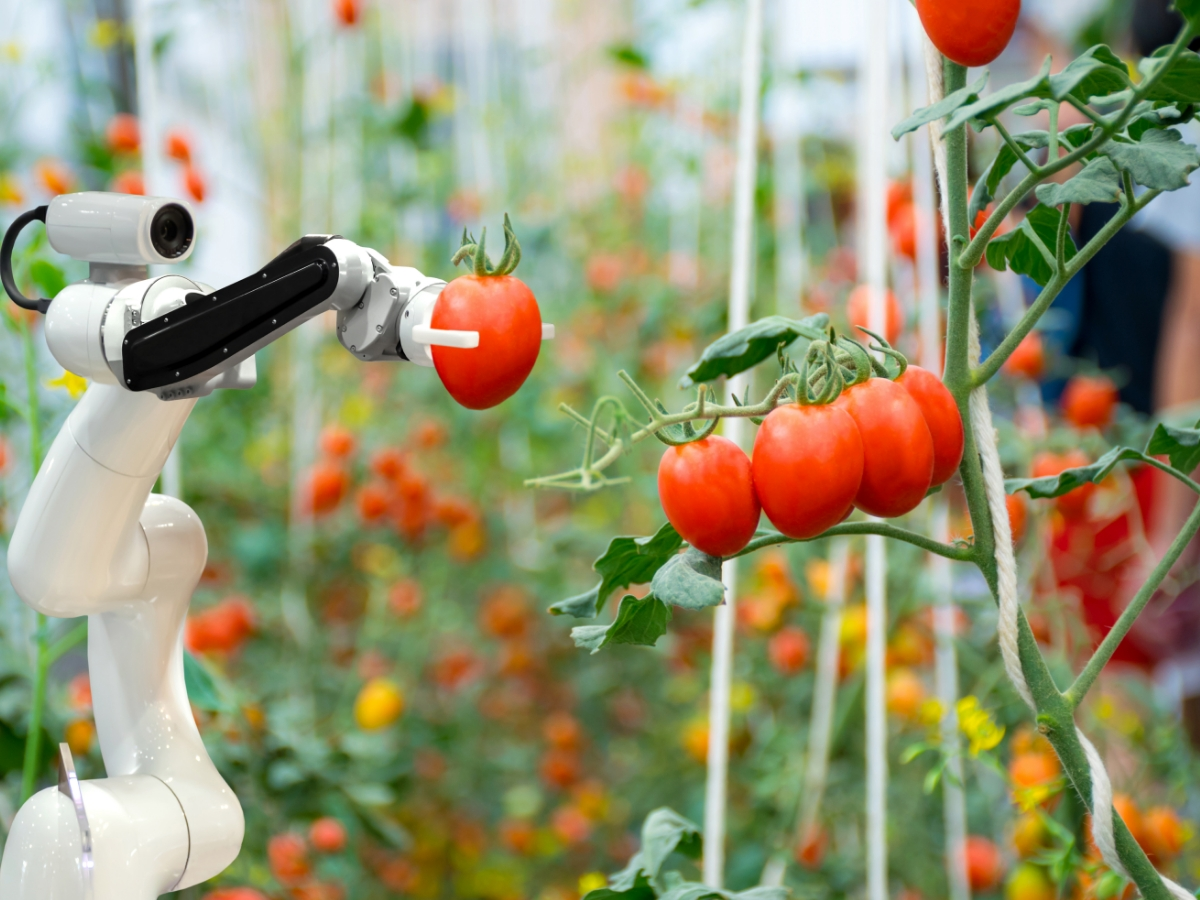
Smart robot picking tomatoes

High and volatile costs

Faced with the effects of conflict, unprecedented heatwaves, and the termination of subsidies, it’s no exaggeration to describe agriculture as being in a state of perma-crisis. One of the most severe consequences of this has been cripplingly high and volatile input costs; particularly, fuel, feeds, and fertilizer.

Smart farming technology doesn’t make these problems disappear, but it can help in mitigating them. Variable rate technology (VRT) is one example of this: the ability to apply fertilizers at variable rates across a field based on real-time data on soil nutrient levels and crop health. As a result, fewer expensive resources are thrown away in over-application.

Farmer connected with TeamViewer Remote

The need for higher yields

The world’s population is predicted to increase from its current 8 billion to 9.7 billion in 2050. Estimates vary, although one meta-analysis found that food demand will increase between 35 and 56% due to a combination of population growth, economic development, and urbanization. Smart farming has a crucial role to play in filling the food demand gap.

Through precision farming architecture (e.g., moisture, nutrient, and canopy sensors, drones equipped with multispectral cameras, and variable rate application equipment) there is much greater scope to optimize growing conditions in a highly targeted way to increase yields. At the same time, data analysis and modeling can help farmers identify the crop varieties best suited to the specific conditions of individual fields for maximum output.

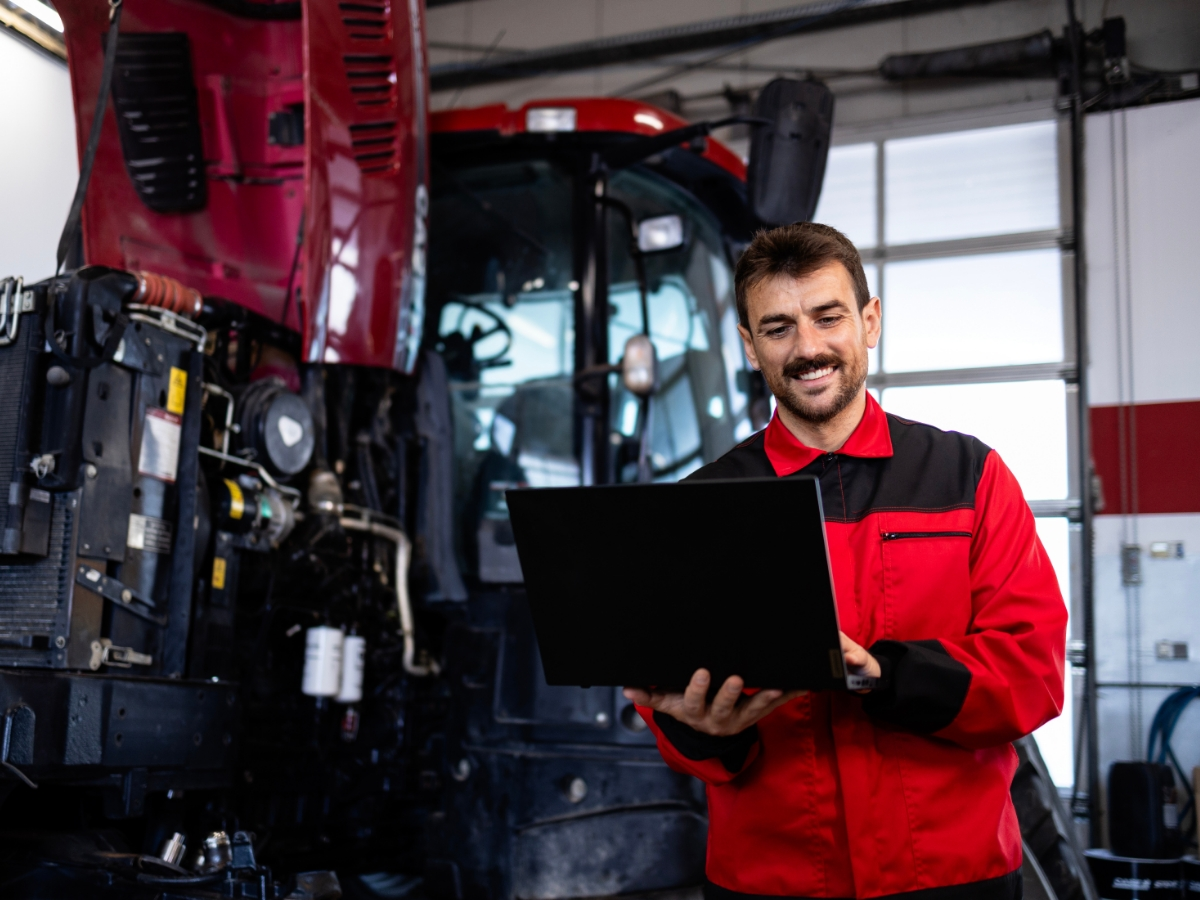
Mechanic working on tractor

Responding faster in crises

Whether it’s a drought, pest infestation, supply chain disruption, or fuel price hikes, the quicker you can respond to an emerging problem, the greater the chances of mitigating its impact.

Smart farming technologies can provide a kind of early warning system against a wide variety of threats. Examples include the integration of advanced, localized weather forecasting tools into farm management systems, sensors that trigger alerts as soon as pest activity is detected, and systems that provide real-time data on inventory levels for core inputs (e.g., seeds and feeds), helping farmers to better anticipate shortages.

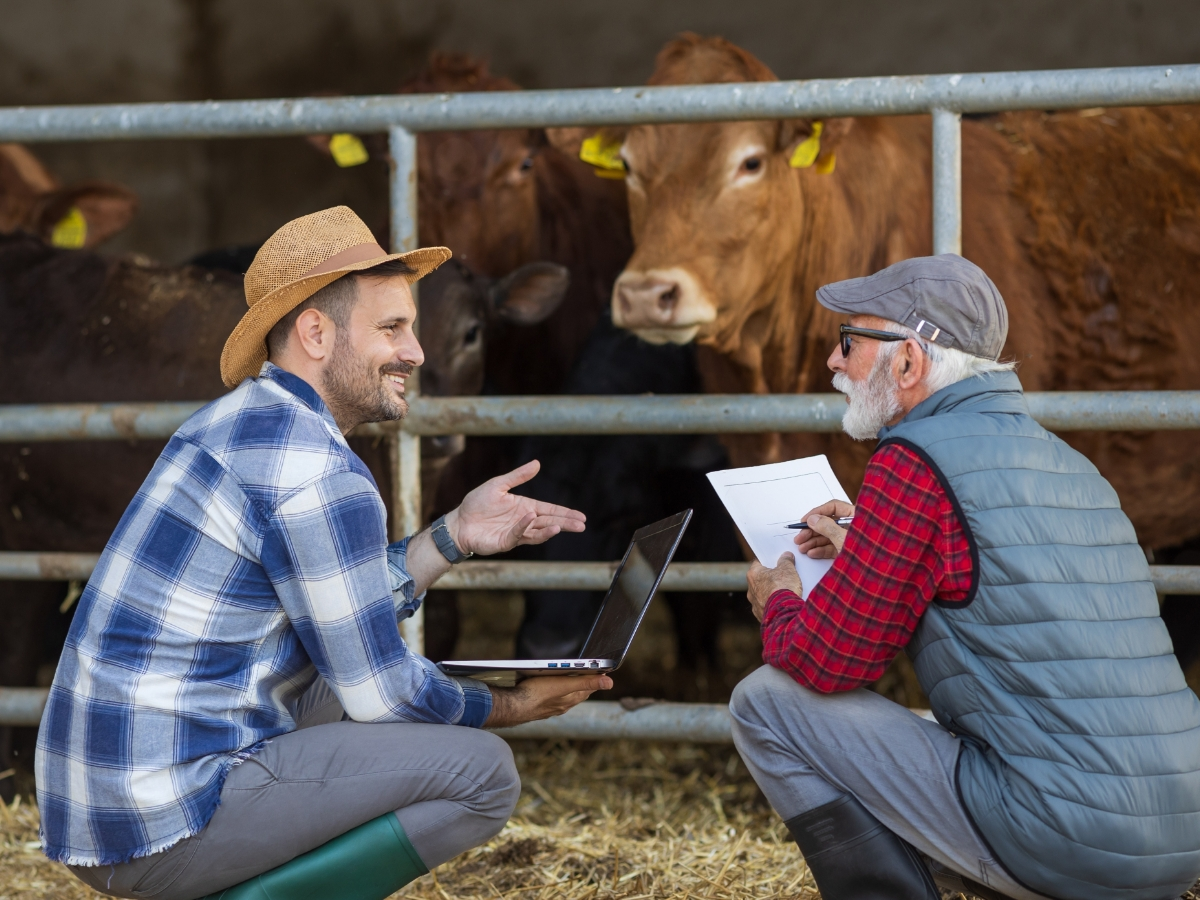
Man with laptop in cowshed

Managing regulatory obligations

The regulatory burden faced by farmers covers a vast (and expanding) range of areas, from export documentation, workforce visas, health and safety, and traceability, to carbon reduction and climate resilience.

One thing that most smart farming initiatives have in common is data generation. Soil sensors, yield monitors, irrigation solutions, feed management systems, and similar applications produce granular data on an ongoing basis. This can help you meet specific regulations (e.g., by triggering alerts when you’re close to breaching particular water or chemical usage limits). What’s more, detailed and verifiable data logs provide clear audit trails, helping you stay compliant and demonstrate your adherence to the rules.

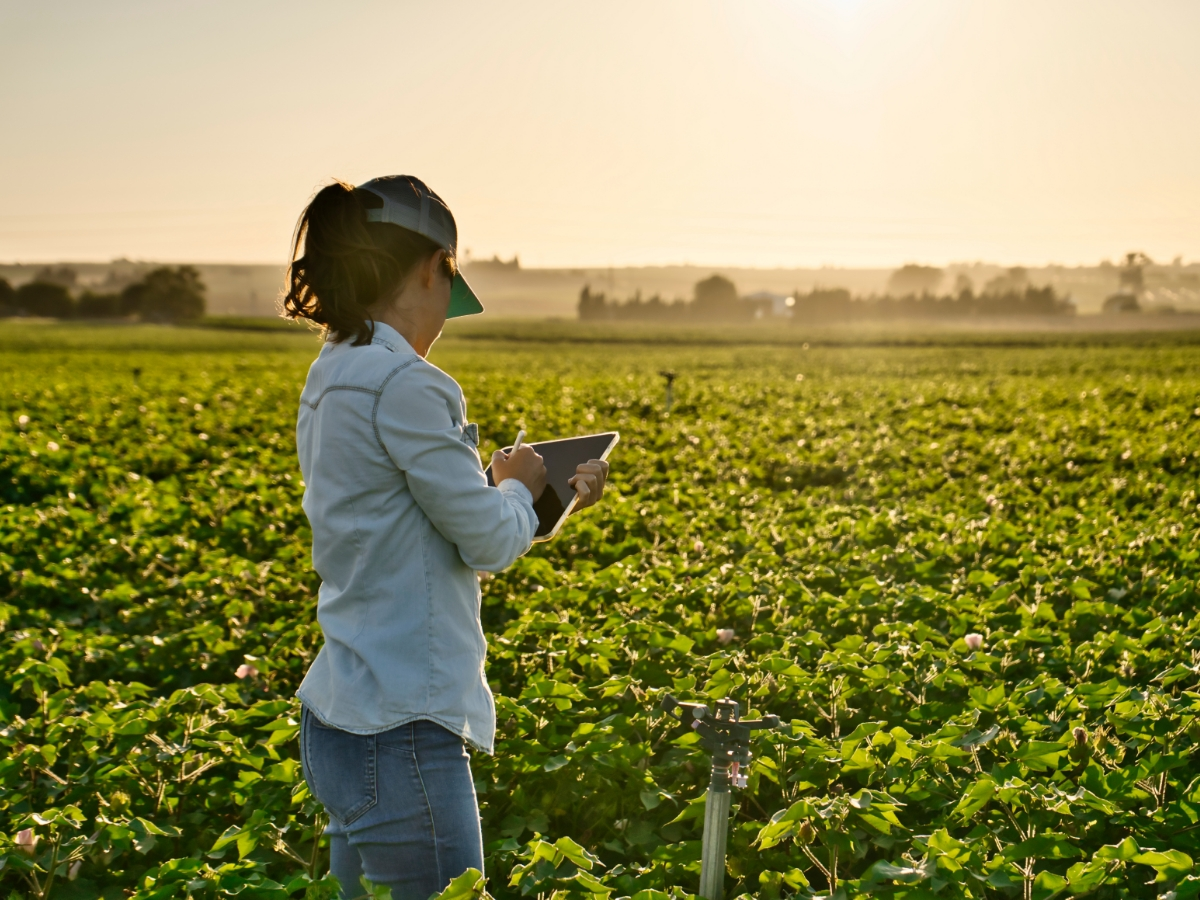
Woman in field with tablet

Smart farming in practice: Products and features

  • Sensors: e.g., temperature, humidity, soil moisture, and PH levels
  • Advanced automation and robotics: autonomous harvesters and weeders, precision planters, automated irrigation systems, and livestock management robots
  • Tracking: fleet management, detailed field mapping to track growing conditions variations, automated machinery guidance, collars, and tags for livestock tracking
  • Advanced data analysis: predictive modeling for forecasting crop yields, historical analysis for spotting trends, decision support systems (e.g., insights on the optimal window for planting/harvesting), and interactive dashboards to collate and present multiple data points in an understandable format

With its flexibility, TeamViewer enables you to connect to and control devices, computers, farm vehicles, and machinery across your entire agricultural business.

Trustpilot logo
118,115 отзывов
G2 logo
3,649 отзывов
TrustRadius logo
2,714 отзывов
Capterra logo
11,513 отзывов

Factors to consider

Implementation of smart farming

How viable is a smart farming project for your business? What connectivity and support measures will need to be in place for maximum return on investment? Here are the factors to consider:

Connect icon
Connectivity

A connected farming initiative typically depends on multiple networked devices (e.g., sensors, trackers, etc.) transmitting readings, status updates, and control signals to each other and central control units continually. Reliable connectivity is essential. So, before you implement a project, you need to evaluate the availability and viability of connectivity options in your area and select the most appropriate ones. Especially for scattered sites in rural locations, this often involves looking beyond standard cellular (3G/4G/5G) networks, and at more cost-effective and reliable alternatives, such as Long Range Wide Area Networks (LoRaWANs) and Low Power Wide Area Networks (LPWANs).

Tool icon
Maintenance and management

What happens when multiple IoT devices need to be updated or reconfigured? Or when you want to check if a particular piece of equipment is still working as it should? One of the major benefits of smart farming technology is the ability to streamline your workload. To maximize this benefit, you need to think about how your new smart farming technologies are going to be maintained and managed. Remote device management is the way forward here: the ability to monitor, control, update, and maintain smart farming equipment from a distance, without the need to physically access those devices.

Optimize agricultural processes with TeamViewer

Trusted daily by businesses across the agriculture sector, TeamViewer offers a full range of remote IoT device access and control, monitoring, and support capabilities — all from a single platform.
 

Whether you’re looking for smart sensors, a centralized collection of data, or the adoption of advanced robotics, TeamViewer has the smart farming initiatives you’re looking for. No matter how challenging the environment, we deliver the support, security, and scalability you need for successful implementation.

At TeamViewer, our mission is to help you help others.

TeamViewer's solutions equip businesses in the agriculture sector to streamline work processes, simplify and speed up onboarding for new employees and seasonal workers, while also helping ensure quality control.

See what our customer have to say

Spotlight

Customer success

Explore more success stories

Why choose TeamViewer for smart farming?

Time icon
Save precious time

TeamViewer reduces the time, effort, and resources spent going from field to field or building to building, for checks and repairs. From onboard computers on tractors to individual sensors, you can monitor the status and performance of all your equipment in real time from any location through the TeamViewer dashboard. Apply updates, instantly identify problems, and reconfigure where needed — all remotely.

Growth icon
Extend equipment lifespan

Use TeamViewer to set up automated alerts and reminders for regular maintenance tasks, ensuring all machines and components receive timely care, based on usage and manufacturer recommendations. Used alongside the analysis of data from IoT sensors and equipment diagnostics, TeamViewer can enable you to predict potential failures before they occur, allowing for proactive maintenance that stops minor issues from escalating into major problems.

People icon
Enhance collaboration

With features that include screen sharing from any device to any device, chat, video, and on-screen annotation, farmers can use TeamViewer to connect with external IoT vendor support teams and implementation partners who can provide immediate assistance and guidance for resolving issues. Multiple internal users (e.g., farm managers and technicians) can collaborate in real time, share insights, and expedite problem resolution.

Leaf icon
Boost sustainability

TeamViewer speaks directly to the need to enhance resource efficiency and support environment-friendly farming practices across the agriculture sector. Integrating directly with IoT sensors, data analytics, and other technologies, TeamViewer gives you the visibility you need across all smart farming systems. This ensures that each element is operating as it should, helping you eliminate waste and meet your sustainability goals.

Scale icon
Scale up when needed

What’s the next stage in your smart farming journey? Whatever your plans, TeamViewer enables you and your team to absorb change seamlessly. Supporting a vast range of device types and operating systems, and a flexible cloud-based infrastructure, the solution makes it easy to add new devices and users when required.

Frequently asked questions (FAQs)

IoT can boost farming efficiency by enabling better decision-making and more precise control over farming operations. Soil monitoring provides a good example of this: with a network of IoT sensors measuring things like moisture and nutrient levels, you can optimize the amount of inputs (e.g., fertilizers and water).

If you combine IoT applications with autonomous systems and machinery (e.g., automated irrigation), you can perform core tasks with higher precision, while also reducing the need for manual input and labor costs.

Yes. The precise technologies deployed will vary from case to case, but smart farming is making an impact across all areas of agriculture. Examples include precision planting for common row crops such as corn and wheat, micro-irrigation systems for vineyards and similar specialty areas, IoT-driven canopy management for orchards, and environmental control systems for greenhouses and other types of indoor farming.

The potential benefits of connected farming include enhanced productivity, the ability to do more with less, cost savings, resource efficiency, and improved yields. Connected precision farming techniques can also help minimize the use of inputs such as pesticides and fertilizers, while also optimizing energy usage, thereby helping to increase environmental sustainability.