A guide to warehouse optimization

Optimize your warehouse operations with TeamViewer's advanced augmented reality (AR) and AI-driven solutions. Get in touch today to begin warehouse optimization, streamlining efficiency, and reducing costs.

Illustration: operational supply chain

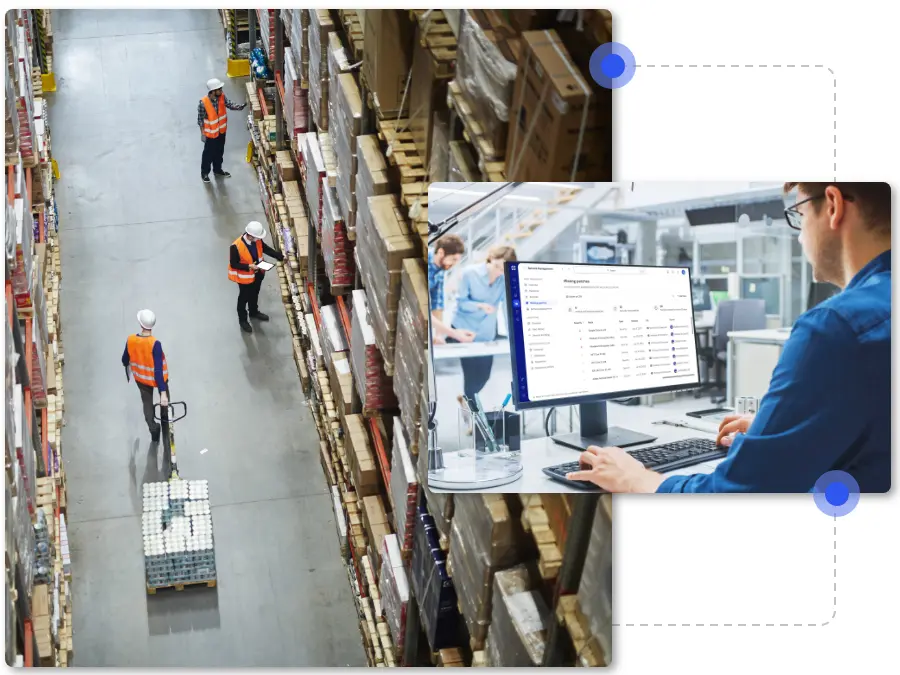
Warehouse optimization involves taking a detailed look at your existing processes and identifying practical ways to improve warehouse operations, space, and performance, taking into consideration your core business goals, including cost reduction and enhancing customer service.

Discover how warehouse optimization can help retailers, manufacturers, and logistics companies tackle many of their biggest challenges and how a new breed of technologies—including AI, AR, and data analytics—can enhance warehouse operations.

Key approaches to warehouse optimization

Warehouse optimization is precisely what the term suggests: improving how your warehouse is operated and managed. It includes looking at the warehouse space itself and how it’s organized. It considers areas of inventory management. It also focuses on your employees. Good warehouse optimization solutions provide workers with the tools they need to complete tasks quickly, safely, and efficiently while minimizing errors and reducing stress.

Understand the challenges of modern warehouses

With multiple sales channels to manage and a constantly evolving product range, warehouse operations must keep up with the needs of the wider business. A warehouse optimization project is your opportunity to bring operations up-to-date and tackle the following challenges:


But over time, processes can change. Bit by bit, some areas can get overstocked while others are underused. Warehouse optimization gives you the chance to rethink and correct this.


Likewise, slow processes mean a lower dock-to-stock time and fewer orders picked per hour. Warehouse optimization enables you to reduce costs and improve these metrics.


The same goes for error-prone replenishment processes, such as employees placing replenishment batches in the wrong basket. Overhauling your warehouse can contribute to your wider inventory optimization strategy, making it easier to accurately track your inventory.


For example, a new contract means opening an additional facility and taking on extra staff. Warehouse optimization can open avenues for making better use of what you have already (for instance, by utilizing vertical space or boosting pick rates).


When it happens across the whole team, the lost time adds up quickly. The right warehouse optimization software helps remove these interruptions.


Key considerations for AR warehouse optimization software

These are some of the key approaches to optimize your warehouse to achieve lower costs and fewer errors.

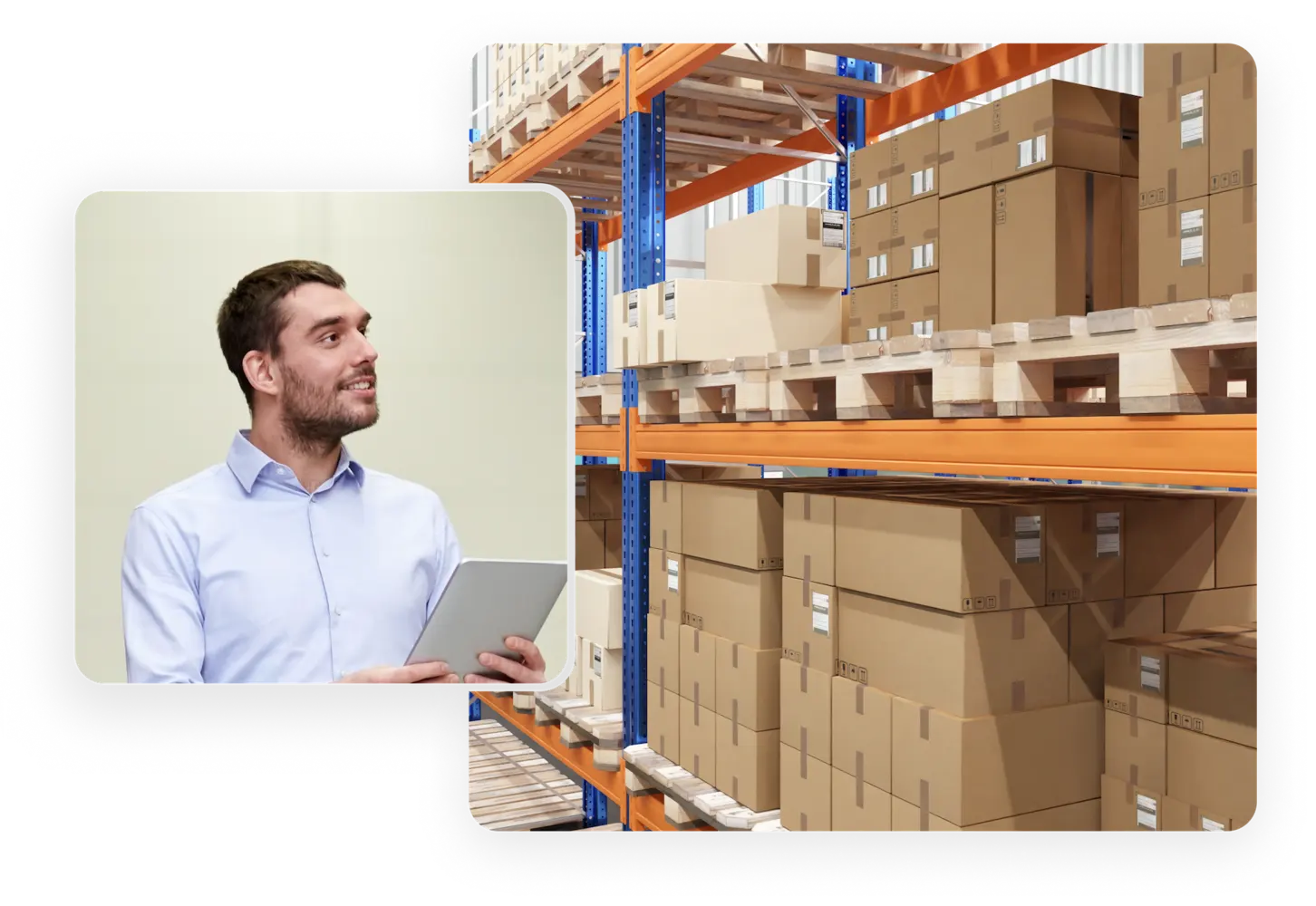
Consider how to optimize warehouse space

Which items are frontline workers required to handle most often?

Consider factors such as order frequency, as well as the type and size of specific items. Using this information, design a floor plan that improves the flow of goods, reduces travel time, and increases space utilization.

Make use of higher levels

If you’re reaching floor capacity, automated vertical lift modules (VLMs) can help you optimize upwards, making it more feasible to store items at higher levels.

When an operator requests an item on the VLM system, a computer-controlled extractor mechanism retrieves the relevant tray automatically.

Optimizing space

Adopt a warehouse management system

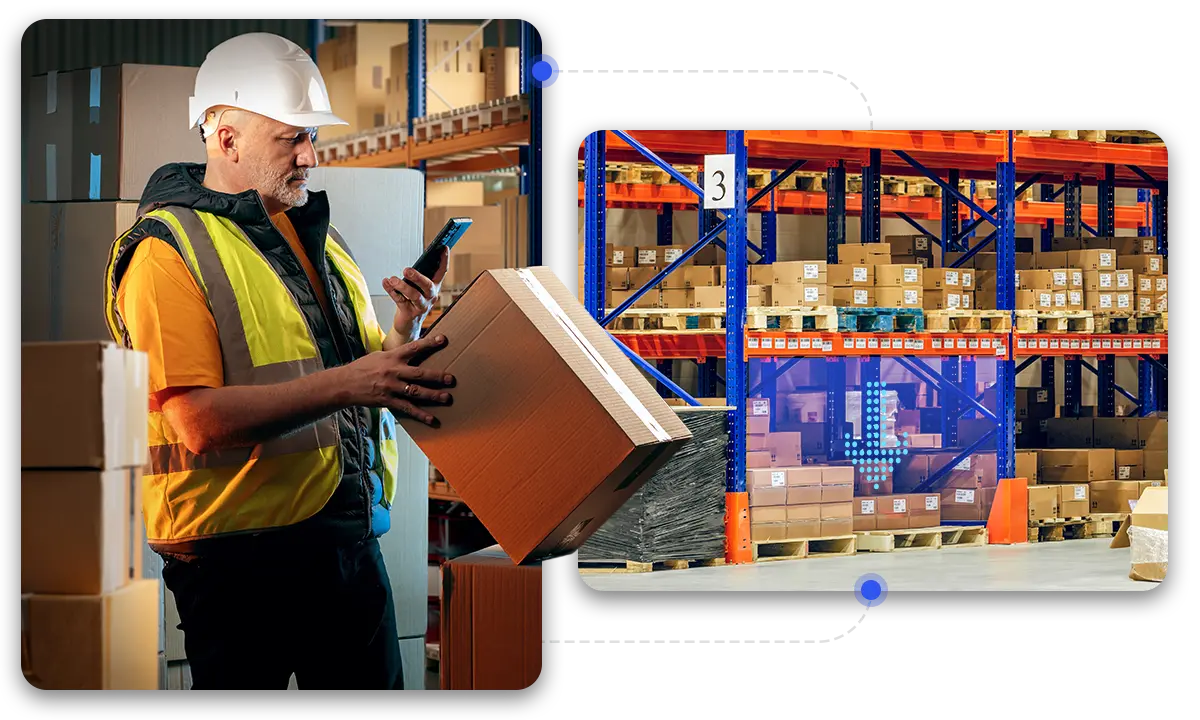
A warehouse management system (WMS) lets you track inventory and automate warehouse processes. The WMS records incoming shipments using barcodes or QR codes and assigns task lists to individual workers. It can also automatically track stock movement within the warehouse and generate the right shipping labels, invoices, and tracking numbers. It should also sync with your inventory management system so that when an order is shipped or when shelves are replenished, stock-level information is updated accordingly.

Adopt augmented reality to boost productivity

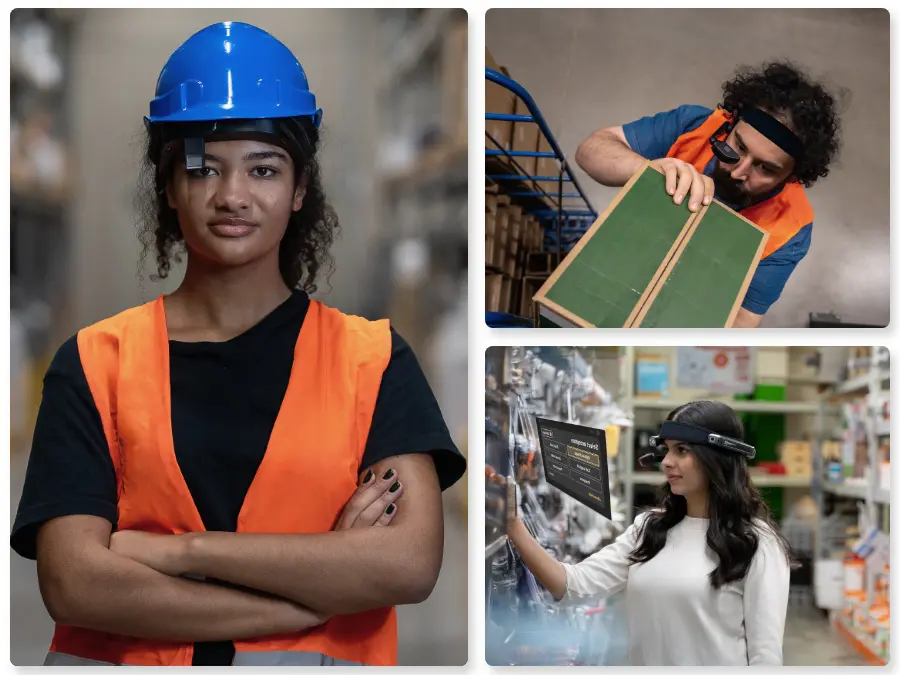
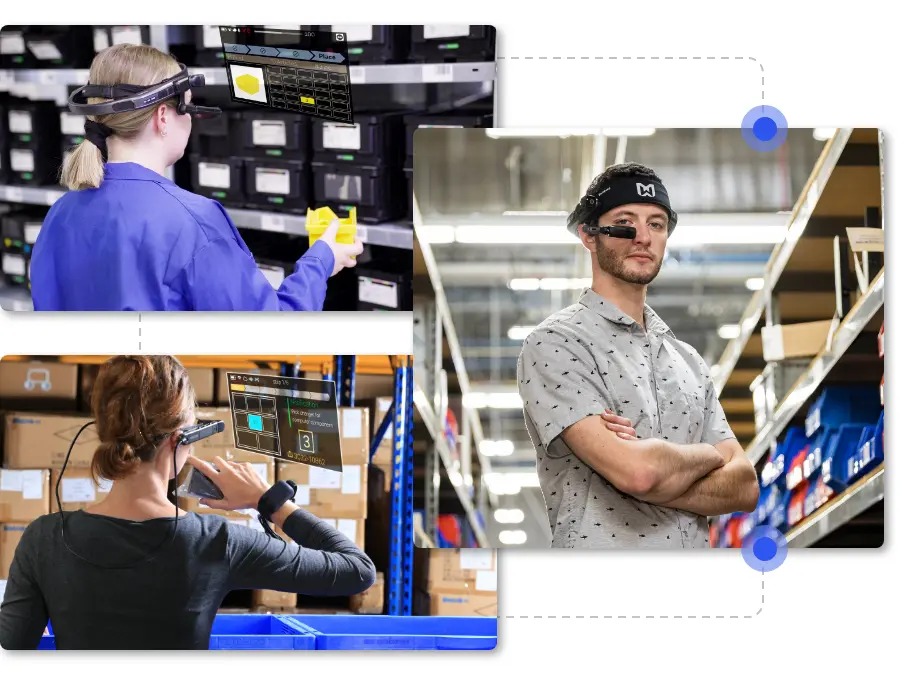
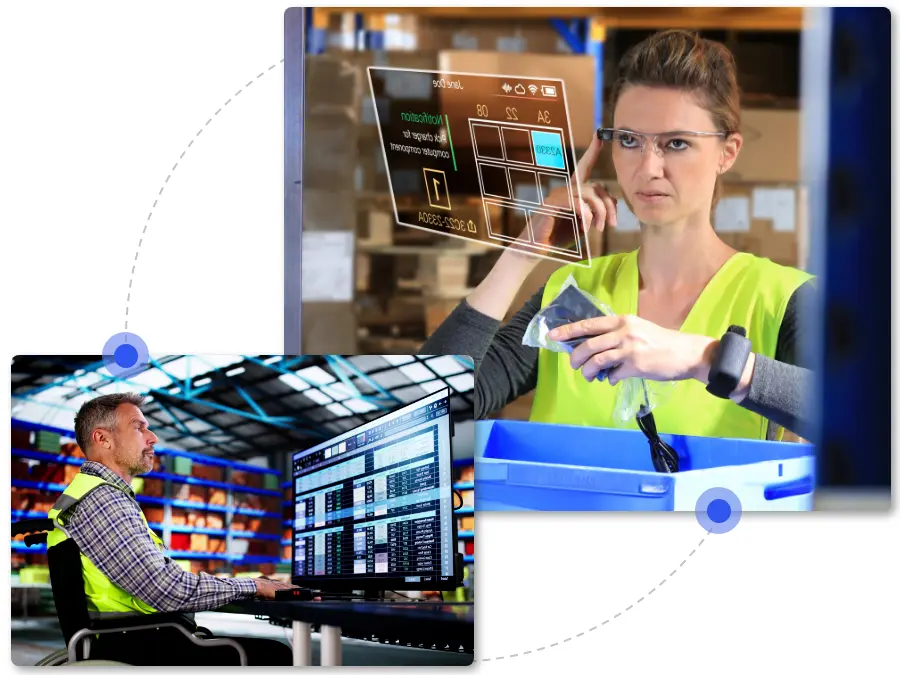
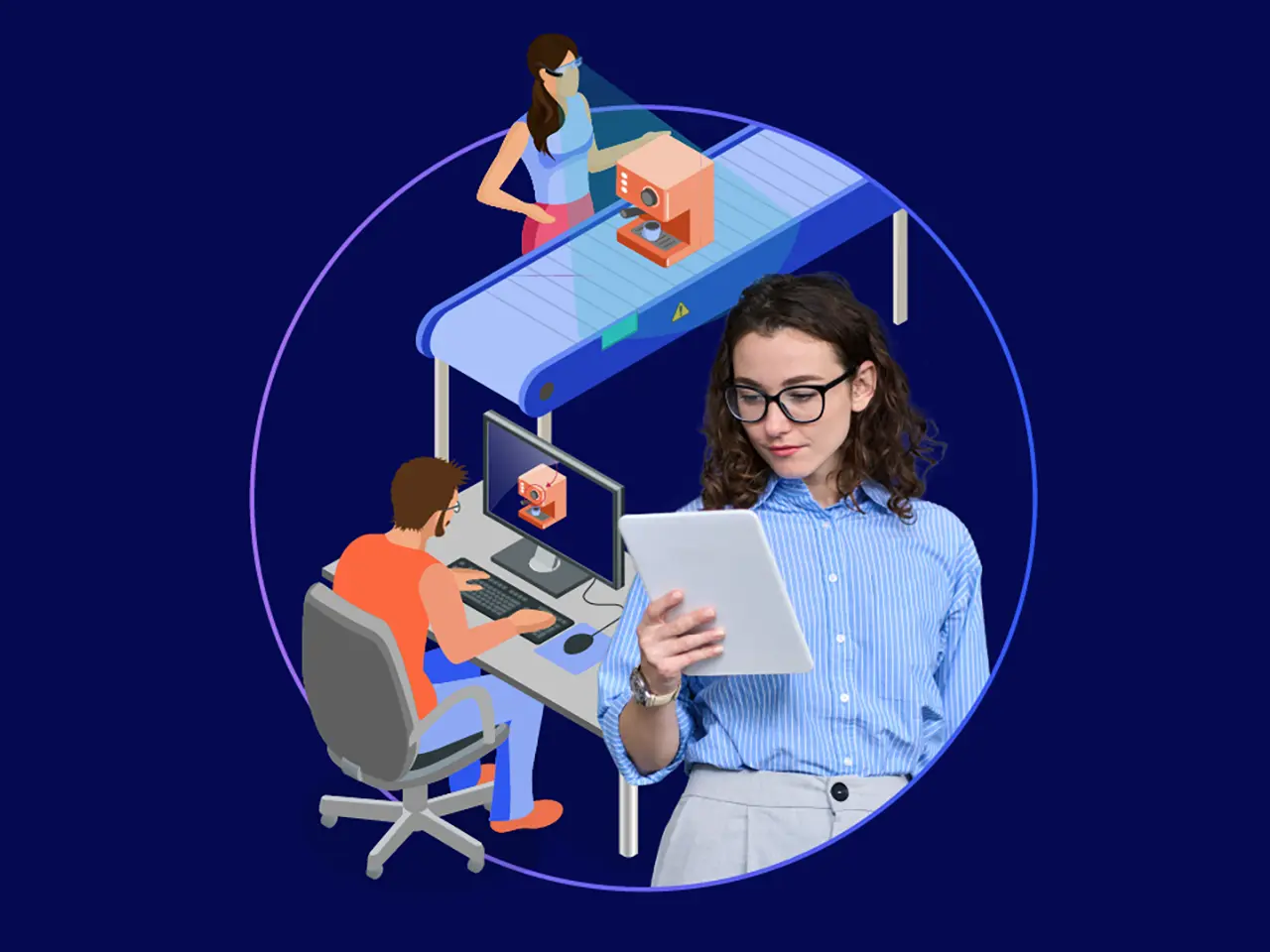
One of the main goals of any warehouse optimization project is to increase productivity with fewer errors across all main warehouse tasks. For this, employees need the right information presented in a way that’s convenient for them. This is where augmented reality (AR) comes in. With AR, digital information is superimposed directly into an employee’s field of view using smart glasses. TeamViewer Frontline Pick is an AR solution that provides workers with relevant visual information, guiding them to find and retrieve the items they need with ease.

Adopting systems

Use remote maintenance to ensure business continuity

Warehouse optimization can involve introducing a lot of new technical equipment onto the warehouse floor. Examples include WMS terminals, scanners, and wearables for workers, display units on shelving racks, robotic arms, retrieval shuttles, and lift modules. If an important piece of equipment fails, this can halt your entire operations. 

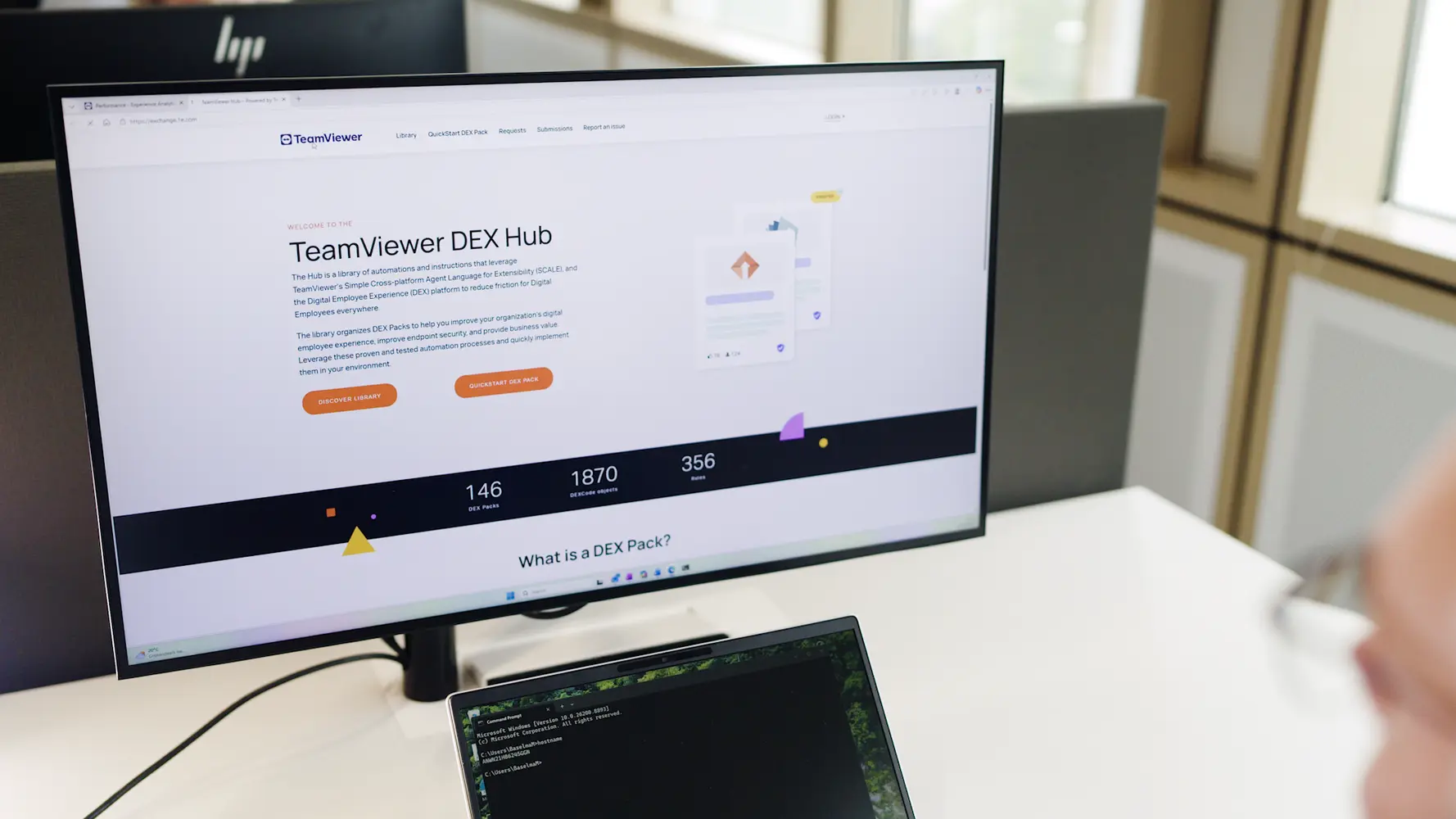
With a remote maintenance solution such as TeamViewer, it becomes a lot easier to keep all these devices up and running. Full remote access, control and remote assistance powered by AR means less time wasted waiting for support staff to arrive at the warehouse. If a problem arises with a particular piece of equipment, support staff can access, diagnose, and fix it instantly.

Remote maintenance

TeamViewer solutions for warehouse optimization

Trusted by some of the world’s biggest names in logistics, retail, and manufacturing, TeamViewer’s range of solutions can help you optimize your warehouse.

Smart glasses icon
TeamViewer Frontline Pick

TeamViewer’s award-winning AR solution allows employees to visualize order information and task guidance on their wearable device of choice for hands-free work with fewer errors. Highlights include real-time updates, immediate feedback and verification, plus two-way communication for live remote support.

Data icon
Automated data collection

TeamViewer offers remote system monitoring, device management, and data collection capabilities. Integrating with your WMS and connected devices, scanners, and other warehouse equipment, you can access and aggregate real-time data for full visibility of inventory levels, stock movements, and environmental conditions across each warehouse in your business.

Remote access and control icon
Remote support

With TeamViewer, centrally based technicians can connect with warehouse equipment, computers, and mobile devices in any location, monitor their performance, diagnose problems, apply reconfigurations, and connect with frontline staff in real time.

Use cases for warehouse optimization

E-commerce warehouses

When recruiting new warehouse workers in response to seasonal spikes or sudden demand shifts, TeamViewer Frontline Pick can give relevant, step-by-step guidance to help them reach full productivity as quickly and easily as possible.

TeamViewer Tensor provides a platform for connecting to and maintaining all IT and operational infrastructure across a multi-branch, multi-channel retail business. Remotely access and monitor racking displays, barcode scanners, point-of-sale (POS) terminals, and much more from a single platform.

Pick by Light: Warehouse

Manufacturing warehousing

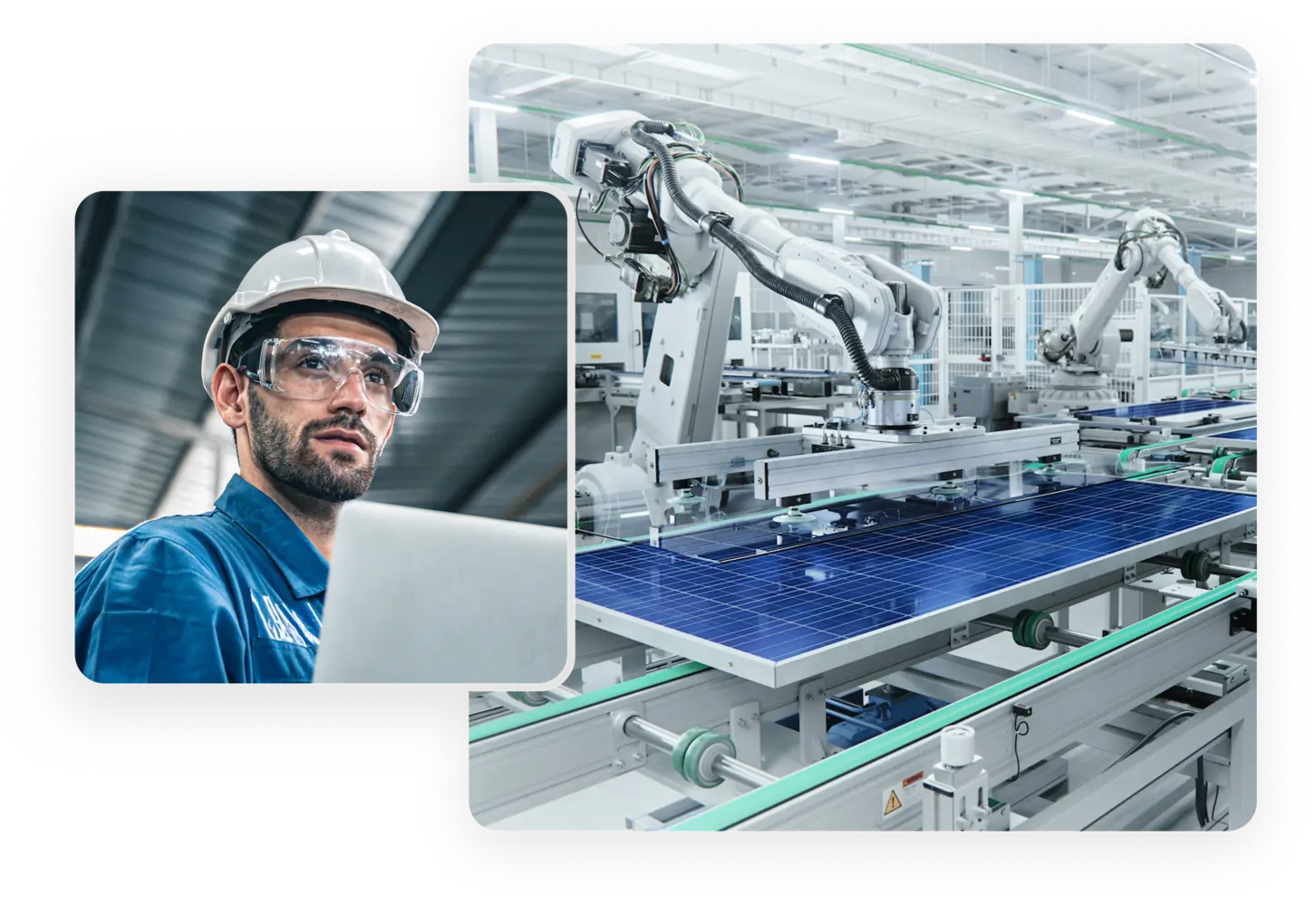
In a manufacturing setting, warehouse processes often go beyond simple picking and replenishment and require pre-assembly or quality control.

TeamViewer’s guided AR solutions let you use a combination of text, images, diagrams, pointers, and checklists to guide employees through even the most complex warehouse, assembly, and inspection workflows.

Remote connectivity on the factory floor

Logistics

In logistics operations, warehouse optimization focuses on streamlining complex fulfillment processes such as load planning, and real-time shipment tracking.

TeamViewer enables teams to remotely monitor and support picking systems, automated sorters, and infrastructure across geographically dispersed sites. Field drivers and warehouse staff can also receive immediate AR-powered support, helping reduce delays and improve turnaround times—key to managing high-volume distribution and meeting tight delivery SLAs.

Remote connectivity in the warehouse

Why choose TeamViewer for your warehouse optimization?

People icon
Worker productivity

Improve worker productivity with the help of immersive AR. Workers can wear smart glasses that display visual picking instructions in their line of sight, allowing hands-free operation. This helps increase speed, reduce picking errors, and enhance overall efficiency in logistics workflows. TeamViewer makes this possible with a single, easy-to-use platform.

Video security icon
Security

Successful warehouse optimization enables data to flow smoothly across your business, giving you a joined-up picture of warehouse operations and your wider supply chain. TeamViewer facilitates this, without compromising on security. With remote connections secured through 256-bit AES encryption, granular access control, and two-factor authentication, your business is in safe hands.

Currency icon
Improved cost efficiency

TeamViewer makes it easy to adopt new technical infrastructure, boosting efficiency and driving down operating costs without significantly increasing the resources needed for IT support. Covering computers, scanners, control consoles, IoT devices, display units, and more, you can monitor and remotely maintain each endpoint from a single solution.

Integration icon
Integration and compatibility with existing systems

TeamViewer’s cross-platform compatibility means you can use it to remotely support all warehouse devices, connected equipment, and infrastructure, regardless of the manufacturer or operating system. TeamViewer can also integrate with your warehouse management system. This means that Frontline Pick users can receive warehouse orders from the WMS directly on their smart glasses.

Frequently asked questions (FAQ)

Warehouse optimization is the process of reviewing and improving how your warehouse is operated and managed. It includes optimizing the use of warehouse space to maximize capacity and streamlining warehouse processes, such as picking, packing, and replenishment, to increase productivity and reduce costs.

You can optimize warehouse space by redesigning the storage layout, placing your inventory according to order frequency. This includes storing the most frequently required items in the most accessible locations, for instance, closest to the packing point, or on lower shelves. Technologies such as vertical lift modules (VLMs) also make it easier to use the full height of your warehouse, allowing you to store and access items stored safely at higher levels.

Machine learning and predictive analytics can help you generate more accurate demand forecasts. It can capture warehouse data on inventory movement, stock levels, and order processing to help you make better-informed decisions on re-ordering stock and setting workforce schedules.