HIPAA-compliant remote access software—without compromise

People relying on remote access
Trustpilot logo
118,115 отзывов
G2 logo
3,649 отзывов
TrustRadius logo
2,714 отзывов
Capterra logo
11,513 отзывов

Why HIPAA compliance matters in remote access

Meet technical safeguards
Avoid common compliance gaps
Minimize risk and liability

TeamViewer: Secure remote access for HIPAA compliance

Безопасность — наша главная ценность

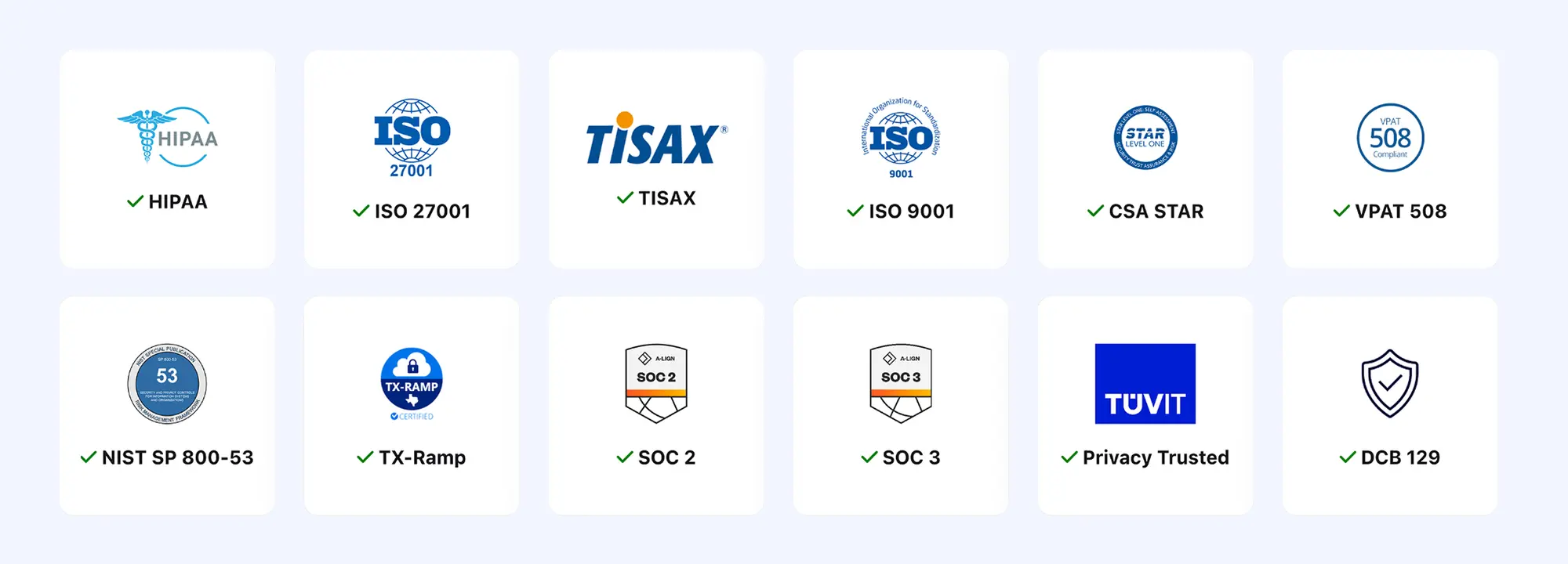
TeamViewer certification and compliance overview

Customer success

Explore more success stories

Ready to enable HIPAA-compliant remote work?

TeamViewer offers features that support HIPAA compliance, such as end-to-end encryption, multi-factor authentication, access control, and audit logging. While TeamViewer cannot enter into a Business Associate Agreement (BAA) on its own, it can be used in healthcare organizations and other HIPAA-compliant environments when properly configured as part of a secure IT infrastructure.

For a detailed overview of TeamViewer’s security controls, visit our Trust Center.

For HIPAA-regulated use, contact TeamViewer to discuss a possible BAA.

To comply with HIPAA, remote access software must keep electronic protected health information (ePHI) safe through strong encryption, user authentication, access restrictions, and the ability to generate detailed audit logs. It’s also essential that the tool integrates securely with broader IT and compliance processes.

Yes, provided the remote desktop software tool meets HIPAA's technical safeguard requirements. These include secure data transmission, access control, session logging, and proper user authentication. It’s also critical that the solution is implemented in line with your organization’s broader compliance policies—especially when enabling a HIPAA-compliant workspace at home, where personal devices and networks must meet strict security standards.

Important features include AES-256 encryption, multi-factor authentication, role-based access control, audit logging, and secure device authorization. These help ensure that only authorized individuals access patient data and that all activity is traceable and secure.