IT asset management: Gain full control over your IT infrastructure
Discover how modern IT asset management empowers your organization with end-to-end transparency, operational efficiency, and sustainable cost control. By gaining real-time visibility into all hardware and software assets, IT teams can reduce waste, ensure compliance, and make smarter, data-driven decisions across the entire asset lifecycle.

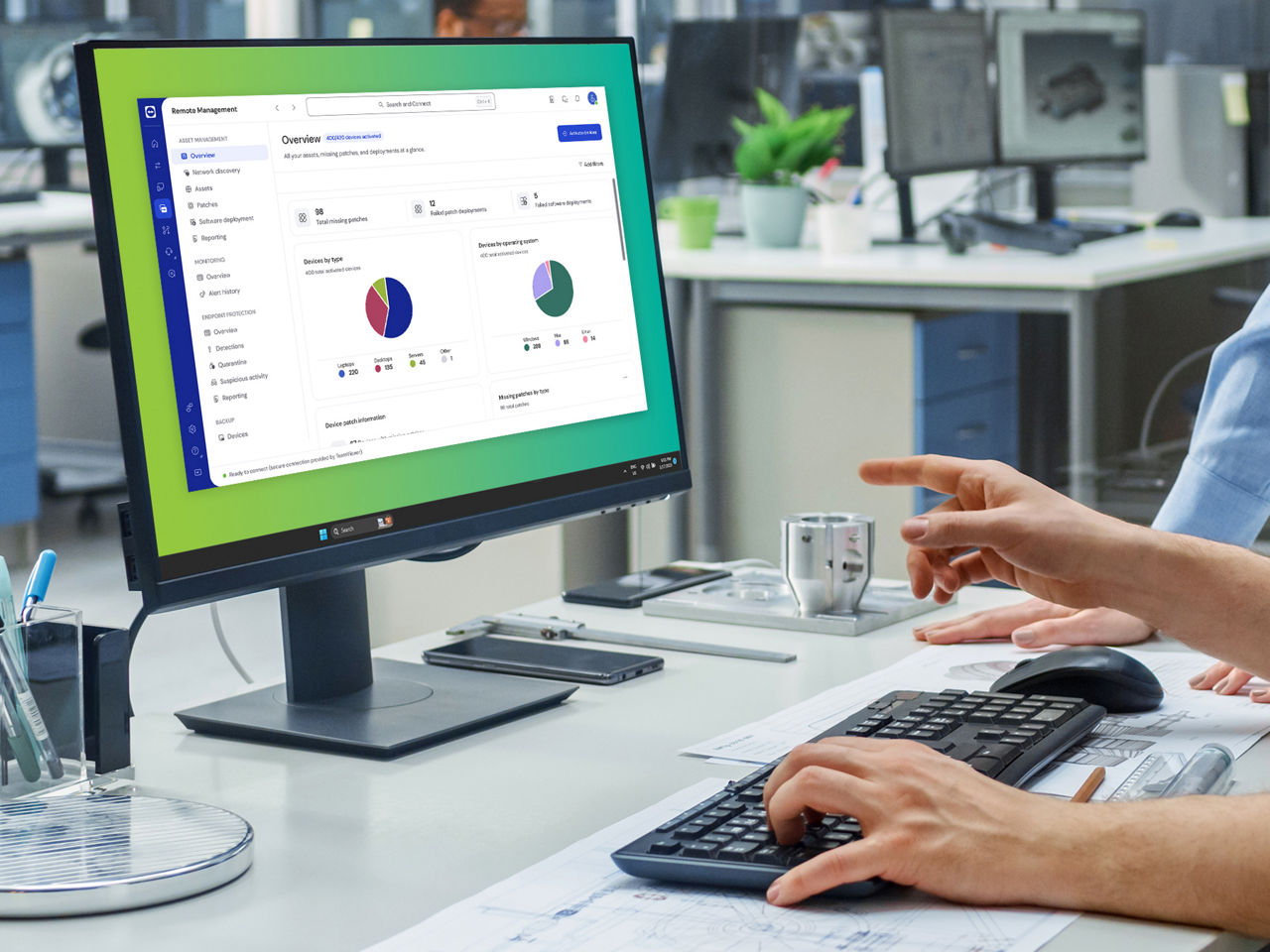
Man using TeamViewer Asset Management on computer

IT asset management at a glance

 
  • Definition: IT asset management (ITAM) refers to the systematic process of discovering, tracking, and optimizing all hardware and software assets across their lifecycle—from acquisition to disposal.
  • Key benefits: full visibility of IT infrastructure, cost savings through license and usage optimization, better compliance and audit readiness, reduced risk of data breaches and asset loss, smarter procurement and lifecycle planning.
  • Core functions: asset discovery and inventory, lifecycle tracking and ownership management, software license monitoring and optimization, integration with IT service management (ITSM) and a configuration management database (CMDB) systems, custom reporting and real-time dashboards.
  • Current trends: AI-powered asset analytics, software-as-a-service (SaaS) license governance, ITAM for remote and hybrid work models, cloud-native platforms with API integrations, convergence of ITAM and cybersecurity.
  • Implementation tip: Start with automated asset discovery and integrate ITAM into your ITSM processes to avoid data silos. Choose a scalable solution that supports both on-premises and cloud assets.

What is IT asset management? 

Information technology asset management (ITAM) is the strategic process of tracking, managing, and optimizing an organization’s IT assets—such as hardware (servers, laptops, printers) and software (licenses, applications, subscriptions) across their entire lifecycle. 

A well-structured IT asset management system helps IT departments and business leaders

  • improve compliance and reduce risks.
  • avoid unnecessary expenses.
  • gain better budget forecasting capabilities.
  • ensure software licence optimization.
  • streamline incident and change management.

Get full visibility into your IT asset management

Why IT asset management matters more than ever

In today’s fast-paced digital world, businesses rely on a vast array of IT assets to stay competitive. But without clear visibility and control over these assets, organizations face challenges such as:

  • unused or underutilized licenses,
  • hidden security vulnerabilities,
  • lost or untracked devices,
  • auditing nightmares, and
  • budget overruns. 

Information technology asset management mitigates these risks by ensuring that every asset is accounted for, used efficiently, and aligned with organizational goals. 

ITAM in action: key components and best practices 

Effective IT asset management connects tools, processes, and people. These core components show how ITAM delivers real impact in daily operations.

Asset discovery and inventory 

An effective ITAM strategy begins with identifying all hardware and software assets across the organization—both on-premises and remote. 

Lifecycle management

From onboarding new devices to secure end-of-life decommissioning, ITAM tools support the full asset journey—ensuring that assets are planned, tracked, maintained, and eventually retired in a structured way.

This includes:

  • procurement and tagging,
  • deployment and usage tracking,
  • maintenance schedules, and
  • end-of-life recycling or destruction.

Each stage plays a critical role in ensuring cost efficiency, security, and compliance. Proper setup is essential across all phases—especially during deployment. If you run into issues during installation or rollout, this troubleshooting guide can help resolve common problems quickly and effectively.

Software license management

Avoid the cost of non-compliance or overspending on unused licenses. ITAM helps you ensure legal software usage, reclaim unused licenses and identify opportunities for consolidation.

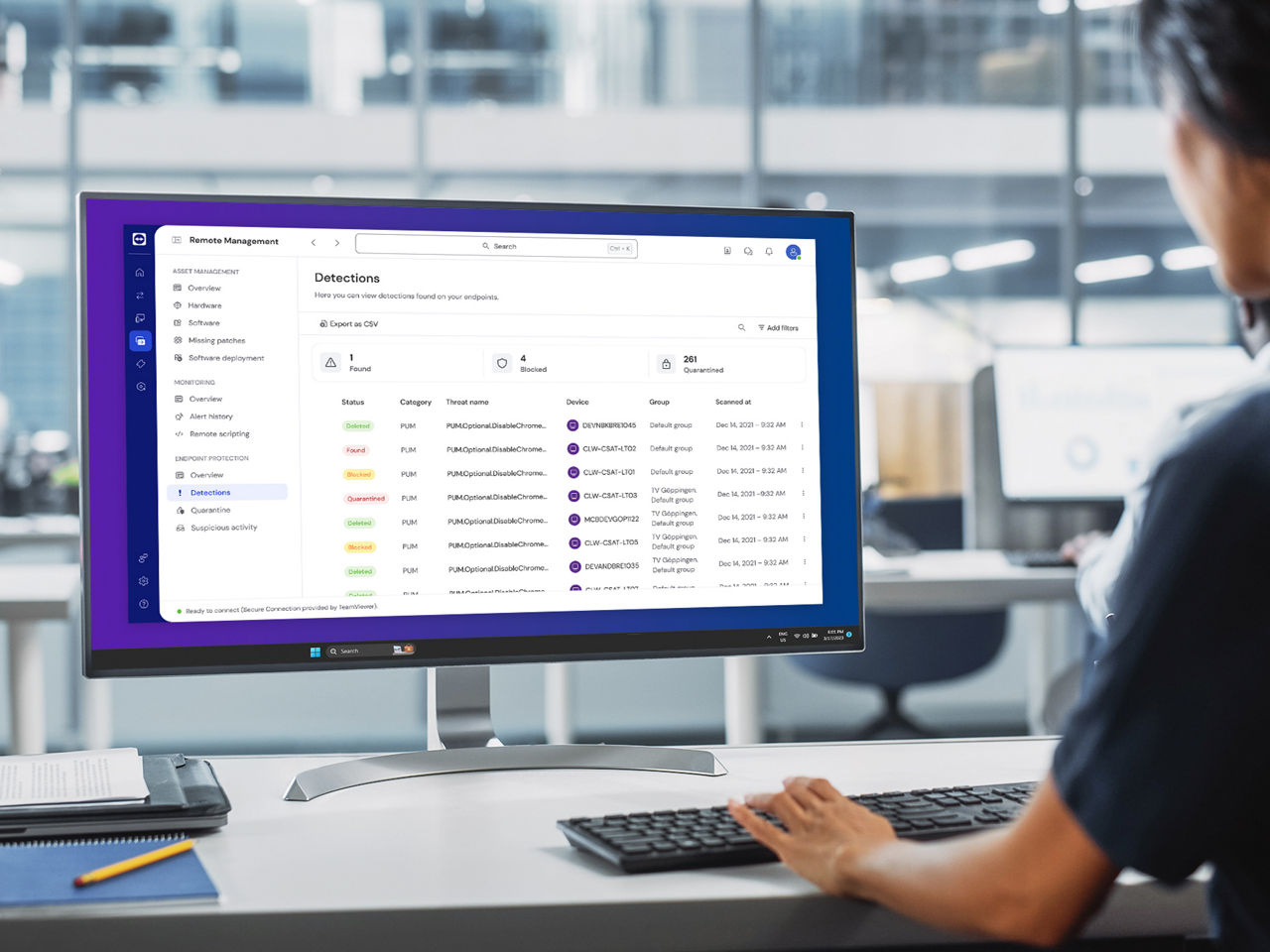
But ITAM doesn’t stop at license tracking—it also lets you take proactive action. You can automatically deploy missing patches and install new software across your network.

Configuration management integration

When integrated with your configuration management database (CMDB), ITAM enhances change management, enabling smarter decisions during rollouts or incident resolution. 

Centralize asset insights across your organization

Try TeamViewer Tensor with built-in ITAM capabilities.

IT asset management vs. IT service management (ITSM) 

While IT service management (ITSM) focuses on delivering services to end-users (like helpdesk or incident handling), information technology asset management (ITAM) ensures full visibility of all assets and provides the critical inventory data that supports those services.

Common ITAM challenges (and how to solve them)

Even with a solid ITAM strategy in place, many organizations face common roadblocks. Here’s how to overcome the most frequent challenges with practical, ITAM-driven solutions.

Challenge
Solution

Assets go untracked due to remote/hybrid work

Use remote-compatible ITAM platforms

Difficulty managing license renewals

Automate alerts for license expirations

Inconsistent data from multiple departments

Centralize records with a single source of truth

Data security concerns

Integrate ITAM with endpoint protection and encryption policies

Who benefits from IT asset management?

ITAM isn’t just for large enterprises. Organizations of all sizes benefit from centralized asset control. Typical roles include: 

  • IT managers: Get real-time overviews of your infrastructure.
  • Chief information officers (CIOs) and chief technology officers (CTOs): Gain strategic insights for better decision-making.
  • Procurement teams: Avoid double-buying or overprovisioning.
  • Finance departments: Accurately track asset depreciation.

Choosing the right ITAM tool: what to look for 

When selecting a solution, ensure it offers: 

Real-time asset discovery

Cloud and hybrid infrastructure compatibility

Integration with ITSM, CMDB, and endpoint security

Customizable reporting and dashboards

Role-based access and audit trails

Automated workflows

TeamViewer’s ITAM features combine powerful automation with intuitive dashboards—making it easy for your team to act on data in real time.

Not sure where to begin?

With TeamViewer asset management—explore setup steps, best practices, and integration tips in our knowledge base.


Ready to take control of your IT assets with TeamViewer?

Discover how easy it is to manage your entire IT infrastructure—from software licenses to physical devices—with TeamViewer’s integrated IT asset management (ITAM). Request your free trial today and gain real-time visibility, improve compliance, and cut unnecessary costs across your organization. 

Submitting ...

Thank you!

Thank You!

Thanks for contacting us! We´ll be in touch soon.

Ooops. An error occured

Please try again later or contact us directly at: +49 7161 60692 1133

FAQs

IT asset management (ITAM) refers to the structured approach of overseeing all IT assets—like devices, software, and systems—throughout their lifecycle. It covers everything from procurement and deployment to usage tracking and secure retirement.

An ITAM specialist ensures that all technology assets are properly recorded, monitored, and optimized. They support internal teams by maintaining accurate inventories and identifying ways to cut costs and stay compliant.

An IT asset manager develops and enforces strategies for how technology assets are handled across the business. Their role spans planning, budget control, and ensuring that assets align with operational and security standards.

Asset management typically follows five key steps: identifying needs, purchasing, rolling out, maintaining, and retiring assets. Each phase helps reduce waste, improve visibility, and support informed IT decisions.