When we consider the evolution of the workplace, it’s no surprise that we’ve seen a shift in organizational priorities and a move away from utility toward employee sentiment; we’ve transitioned from a focus on employee’s physical work experiences to their digital ones.
When hybrid working is commonplace, digital employee experience is the employee experience. And IT has become one of its most important drivers.

In this article we explore:
- Pre-digital employee experience
- The evolution from physical to digital employee experience
- Why employee experience matters
- IT as the engine for modern employee experience
- Turning digital employee experience into a business advantage
- Conclusion
Pre-digital employee experience
Employee experience, often shortened to EX, is not a modern concept and is a core contributor to business outcomes. Its foundations go back more than a century and reflect how work itself has evolved.
In the early twentieth century, organizations focused almost entirely on physical working conditions. Industrial engineering aimed to optimize output, safety, and efficiency by improving factors such as lighting, equipment design, and workload. Productivity depended on the physical environment.
As office and knowledge work expanded, priorities shifted toward employee engagement. Retention, motivation, and satisfaction became measurable through surveys and engagement models. Organizations began linking engagement levels to performance, turnover, and long-term growth.
The next phase introduced continuous feedback and response. Pulse surveys and sentiment analysis helped organizations understand culture, identify risks, and respond faster to issues. In some cases, employee feedback even helped predict operational failures before they happened.
Each stage reflected the dominant workplace reality of its time. Each also paved the way for the next shift.
The evolution from physical to digital employee experience
The most significant change in employee experience came with the widespread adoption of remote and hybrid work. For many employees, digital tools replaced the physical office almost overnight. Devices, applications, networks, and collaboration platforms became the primary connection between employees and their organization.
When those digital tools work well, employees stay productive and focused. When they fail, friction shows up immediately as lost time, frustration, and disengagement. This is why digital employee experience, or DEX, has become central to modern EX strategies.
DEX focuses on how employees experience their digital environment every day, from device performance and application stability to connectivity and security. Rather than reacting to problems after users complain, DEX helps IT teams detect and resolve issues proactively. It shifts IT from firefighting to experience management.
Why employee experience matters
Employee experience has always influenced business outcomes, but in a digital-first workplace, the impact is stronger and more immediate.
When digital experiences fall short:
- Productivity drops as employees deal with slow devices and unreliable applications
- Retention suffers as frustration builds and engagement declines
- Customer experience deteriorates because employees cannot deliver consistent service
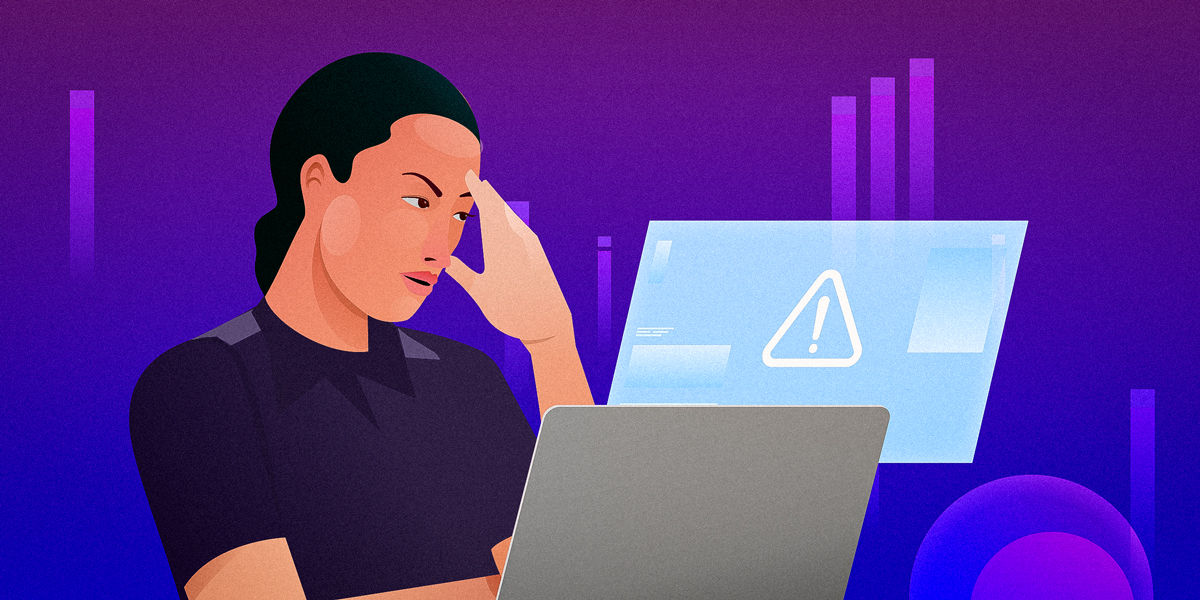
Poor digital employee experiences and broken workflows have a negative impact on business. Strong digital employee experiences, however, deliver the opposite effect.
When employees have seamless digital experiences, they spend less time troubleshooting technology and more time doing meaningful work. This directly supports productivity, wellbeing, and job satisfaction.
Employee experience is also closely linked to customer experience. Engaged employees are better equipped to serve customers, solve problems, and represent the brand positively. Improving EX often leads to measurable improvements in CX.
IT as the engine of modern employee experience
One thing is clear: IT plays a defining role in how employees experience the workplace today. After all, employees rely on digital tools every day. That makes IT responsible for much more than uptime. IT helps to shape how work feels.
To deliver a strong digital employee experience, IT teams need:
- Real-time visibility into endpoint performance and user experience
- A proactive approach and the ability to resolve issues before they disrupt work
- Automation to reduce manual effort and recurring problems
This is where modern digital workplace platforms make a difference. They help organizations move from reactive support to proactive experience management. With real-time insights, secure remote connectivity, and automation, IT teams can reduce friction across the digital environment and keep employees productive wherever they work.
With solutions like the TeamViewer ONE digital workplace platform, organizations gain visibility across endpoints, applications, and user experience. This helps IT teams work proactively, resolve issues faster, automate fixes, and demonstrate their impact on the business.
Turning digital employee experience into a business advantage
It’s time to think about digital employee experience (DEX) as a business lever. Because when organizations invest in proactive DEX practices, the impact extends well beyond IT operations, and the business benefits are clear:
- Higher productivity and fewer digital disruptions
- Improved employee retention and lower replacement costs
- Better customer experiences driven by engaged, empowered employees
Employee experience has always evolved alongside the workplace. From factory floors to office environments and now hybrid work, each shift has redefined what employees need to perform at their best. Today, digital experience sits at the center of that evolution.

Looking ahead, AI will continue to shape how digital employee experience delivers business value. As digital environments grow more complex, AI-driven DEX moves IT beyond reactive support toward intelligent, proactive operations. By continuously analyzing context and acting on issues in real time, AI helps reduce digital friction, enforce compliance, and protect productivity before problems impact employees or customers. This shift allows IT teams to scale efficiently while strengthening the employee experience that underpins consistent, high-quality customer outcomes.
Organizations that prioritize seamless, secure, and proactive digital employee experiences go way beyond improving IT performance. They’re strengthening productivity, supporting employee wellbeing, and enabling better customer experiences today and into the future.
Conclusion
Employee experience has evolved alongside the workplace itself. Today, that experience is shaped primarily by digital technology, and the systems employees rely on every day.
This shift has elevated the role of IT. Digital employee experience is no longer just an operational concern. It directly influences productivity, retention, and customer experience. When digital tools work reliably and friction is removed, employees can focus on meaningful work and deliver better outcomes for customers.
By taking a proactive, experience-led approach to IT, organizations can move beyond reactive support and build digital workplaces that are resilient, secure, and ready for anything as work continues to evolve.

Ready to learn even more about the digital workplace?
Check out the Digital Workplace For Dummies, your essential guide to the digital workplace.
Explore more insights
-
Covering our latest AI-powered features, ServiceNow integration, and your new favorite remote-troubleshooting solution for equipment and machines.
-
What is flow? And how can technology and strong digital employee experience support it?
-
Get seamless remote support and control for Microsoft Intune with the TeamViewer integration.