IT asset management: Gain full control over your IT infrastructure
Information technology asset management (ITAM) is the strategic process of tracking, managing, and optimizing an organization’s IT assets—such as hardware (servers, laptops, printers) and software (licenses, applications, subscriptions) across their entire lifecycle.
A well-structured IT asset management system helps IT departments and business leaders:
In today’s fast-paced digital world, businesses rely on a vast array of IT assets to stay competitive. But without clear visibility and control over these assets, organizations face challenges such as:
Information technology asset management mitigates these risks by ensuring that every asset is accounted for, used efficiently, and aligned with organizational goals.
Effective IT asset management connects tools, processes, and people. These core components show how ITAM delivers real impact in daily operations.
An effective ITAM strategy begins with identifying all hardware and software assets across the organization—both on-premises and remote.
From onboarding new devices to secure end-of-life decommissioning, ITAM tools support the full asset journey—ensuring that assets are planned, tracked, maintained, and eventually retired in a structured way.
This includes:
Each stage plays a critical role in ensuring cost efficiency, security, and compliance. Proper setup is essential across all phases—especially during deployment. If you run into issues during installation or rollout, this troubleshooting guide can help resolve common problems quickly and effectively.
Avoid the cost of non-compliance or overspending on unused licenses. ITAM helps you ensure legal software usage, reclaim unused licenses and identify opportunities for consolidation.
But ITAM doesn’t stop at license tracking—it also lets you take proactive action. You can automatically deploy missing patches and install new software across your network.
When integrated with your configuration management database (CMDB), ITAM enhances change management, enabling smarter decisions during rollouts or incident resolution.
Try TeamViewer Tensor with built-in ITAM capabilities.
While IT service management (ITSM) focuses on delivering services to end-users (like helpdesk or incident handling), information technology asset management (ITAM) ensures full visibility of all assets and provides the critical inventory data that supports those services.
Even with a solid ITAM strategy in place, many organizations face common roadblocks. Here’s how to overcome the most frequent challenges with practical, ITAM-driven solutions.
ITAM isn’t just for large enterprises. Organizations of all sizes benefit from centralized asset control. Typical roles include:
When selecting a solution, ensure it offers:
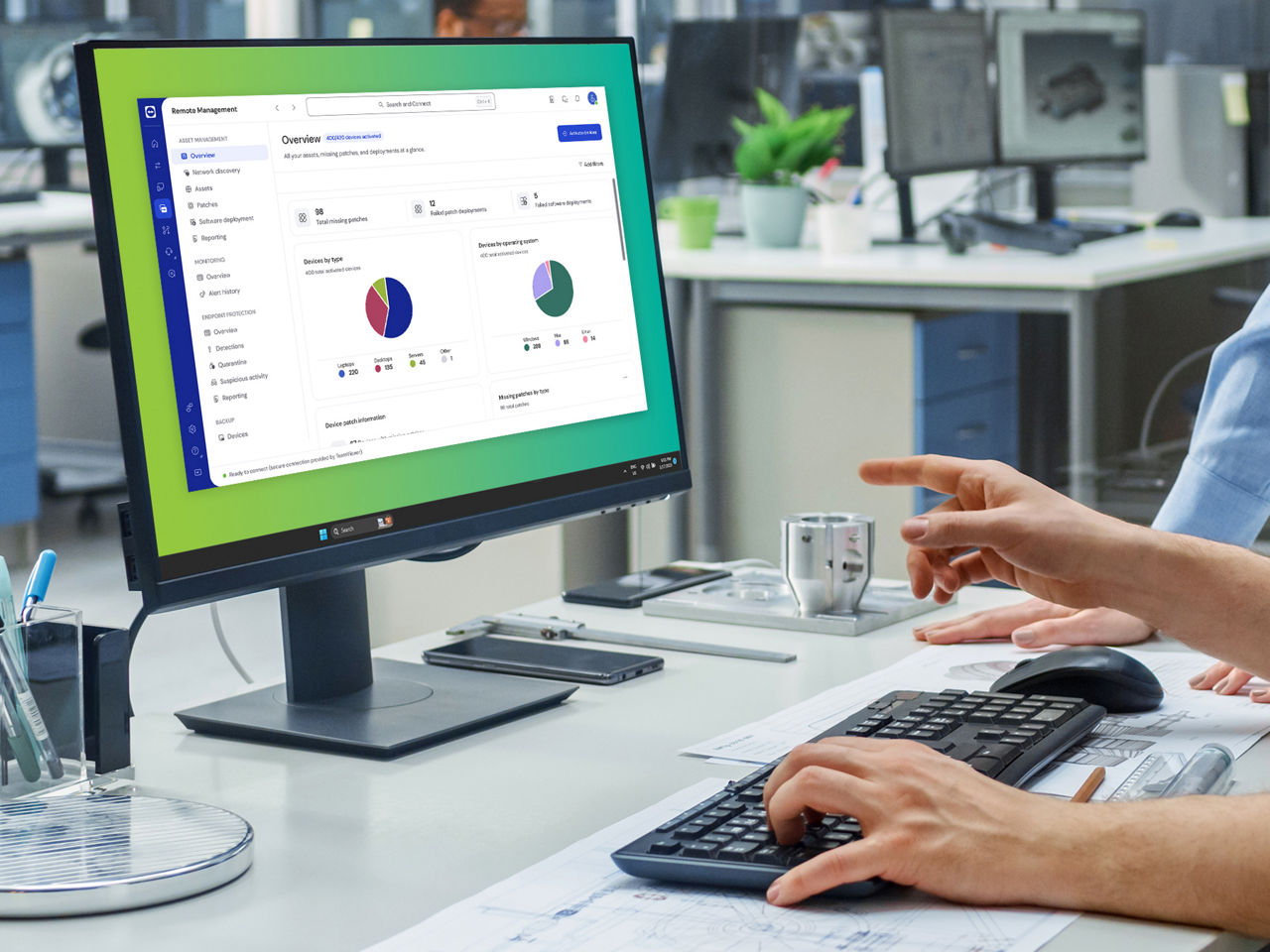
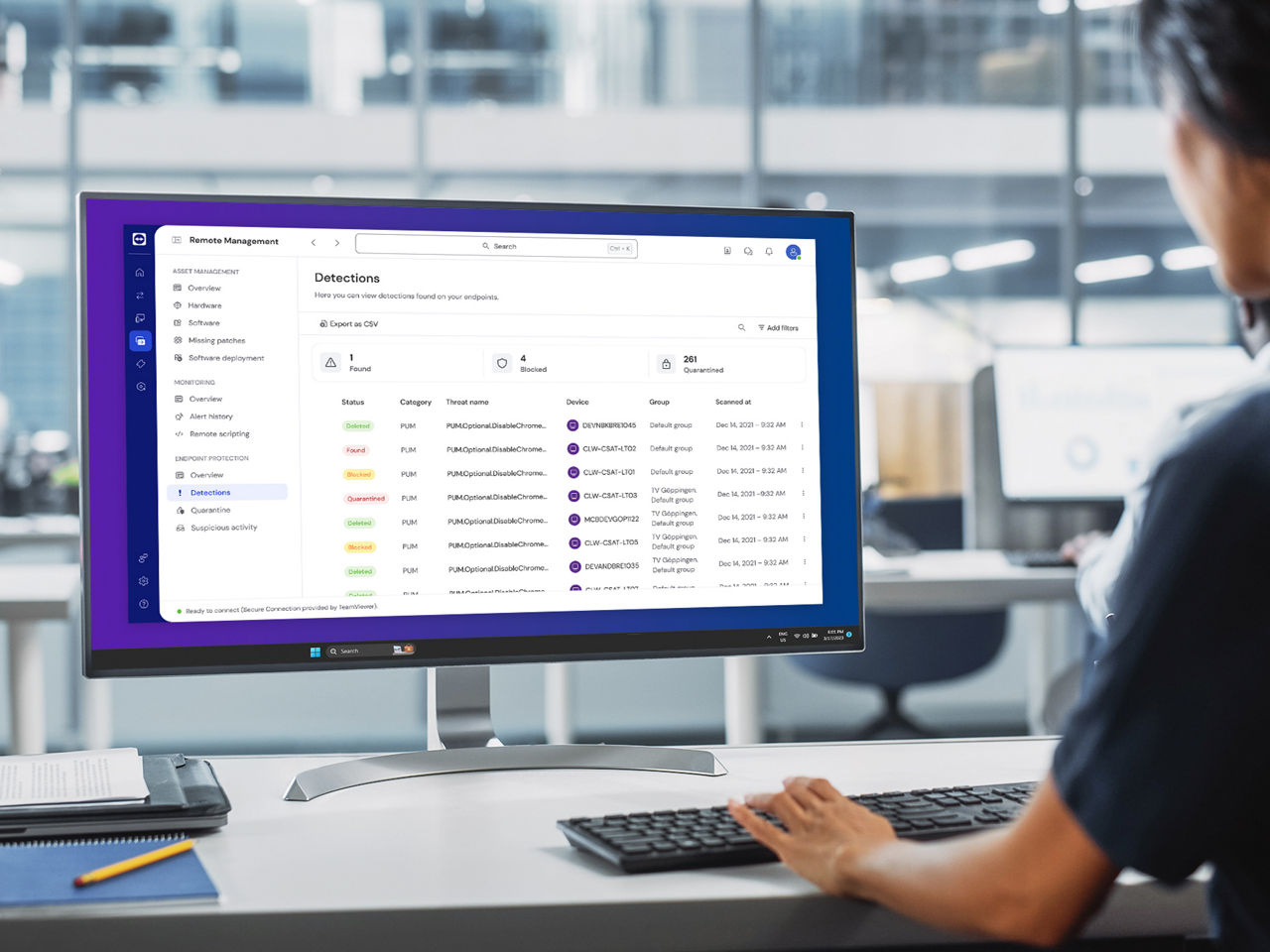
TeamViewer’s ITAM features combine powerful automation with intuitive dashboards—making it easy for your team to act on data in real time.
Discover how easy it is to manage your entire IT infrastructure—from software licenses to physical devices—with TeamViewer’s integrated IT asset management (ITAM). Request your free trial today and gain real-time visibility, improve compliance, and cut unnecessary costs across your organization.
An ITAM specialist ensures that all technology assets are properly recorded, monitored, and optimized. They support internal teams by maintaining accurate inventories and identifying ways to cut costs and stay compliant.
An IT asset manager develops and enforces strategies for how technology assets are handled across the business. Their role spans planning, budget control, and ensuring that assets align with operational and security standards.
Asset management typically follows five key steps: identifying needs, purchasing, rolling out, maintaining, and retiring assets. Each phase helps reduce waste, improve visibility, and support informed IT decisions.