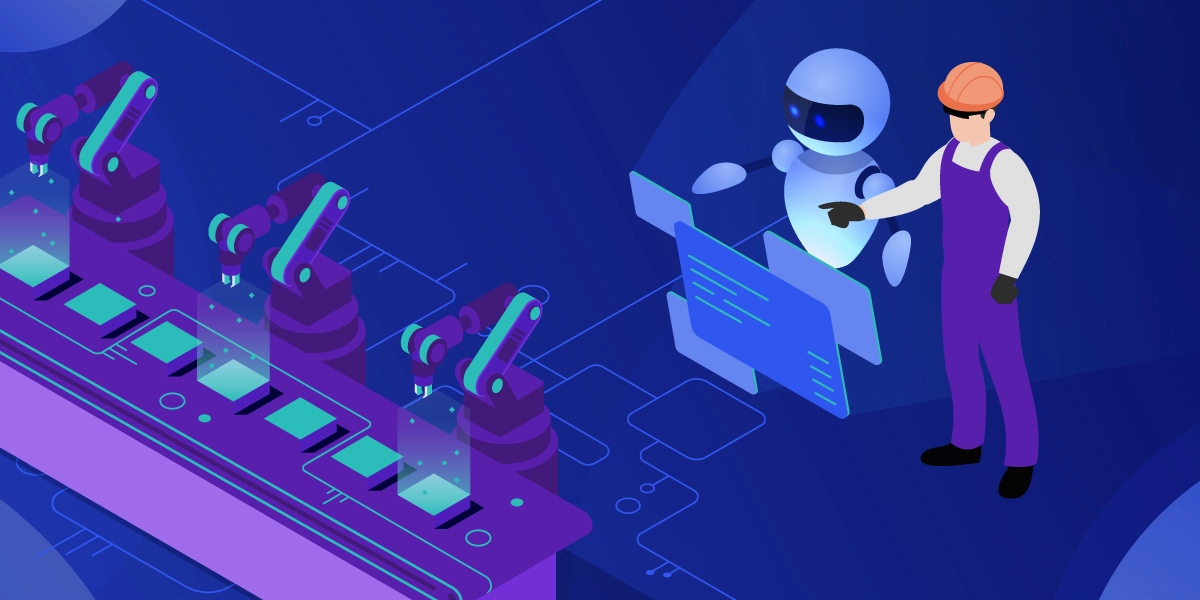
For years, the dialogue around AI has been filled with speculation about its potential to fully automate complex workflows and decision-making. In reality, 2025 will be the year of AI collaboration. AI will firmly establish itself as a co-pilot—an intelligent assistant deeply embedded in workflows to augment human capabilities rather than replace them.
AI’s greatest strength lies in its ability to process vast amounts of data, identify patterns, and generate actionable insights. These capabilities will become indispensable in decision-making processes, but human oversight and intervention will remain vital, particularly in nuanced and high-stakes scenarios. This shift will move the industry beyond the hype of full automation and toward a more practical vision of human-AI partnerships.
The benefits of this collaborative approach are immense. For example, AI provides real-time insights to help customer support teams resolve issues faster, while humans make the final judgment calls. This partnership combines the best of AI’s efficiency and precision with the irreplaceable value of human intuition.
Advice for organizations
Businesses should recalibrate their AI strategies to focus on enhancing human capabilities. This involves designing workflows that harness AI’s strengths in areas like data processing and predictive analytics while keeping humans in the loop for critical decisions.
For now, full automation will remain out of reach due to both technological constraints and regulatory considerations, so it’s important not to overpromise or misdirect resources. Instead, invest in training programs that equip employees to collaborate effectively with AI tools.
These programs should emphasize building synergies between human expertise and AI’s computational power, ensuring teams can leverage AI to its fullest potential without losing sight of the human touch.
Read more: The power of AI: How IT leaders are harnessing AI for business growth
Prediction 2: AI’s environmental impact will shift from footnote to headline