Thousands of flights are delayed across the United States every day, each one a reminder of how quickly aviation operations can be disrupted when even the smallest digital system slows down. And while we can’t predict the exact figure as you read this, we can say one thing with certainty: even a single disruption is one too many.
Airports and airlines run on a dense web of connected devices, applications, and processes. When one falters, the ripple effects reach every corner of the passenger journey. But your digital workplace should run with the same precision your passengers expect from their travel experience.
So, what’s the answer? Digital employee experience (DEX) is the key to seamless passenger journeys and efficient digital workplaces.
In this article we will explore:
- The passenger experience and digital touchpoints
- Building a digital workplace that works
- The role of digital employee experience (DEX)
The passenger experience and digital touchpoints
Travelers notice every moment of friction. A lagging kiosk. A bag tag printer that stalls. A gate reader that doesn't sync. When these touchpoints fail, passengers wait, lines grow, and your teams shoulder the burden.
But when everything works, the journey feels effortless, and most travelers never even realize just how much technology sits behind that smooth experience.
To better understand how digital friction shapes the passenger experience, we asked travelers about their experience with digital touchpoints.
Some said they’ve come to expect slow kiosks or lagging bag tag printers. Others voice frustrations when credit card readers or gate systems fail to sync. One passenger noted that when the digital side fails, it inevitably means waiting for human assistance. This isn’t the seamless journey aviation strives to deliver.
In an industry where every second of uptime matters, a single malfunctioning kiosk or scanner does more than just slow down a traveler. It affects ground crew workflows, creates operational bottlenecks, and erodes trust in the airport experience. The detour to a help desk might seem small, but it compounds into significant stress for passengers and staff alike, especially during peak travel windows.
The reality is clear: travelers may not see the digital systems behind their journey, but they always feel the impact when those systems don’t perform.
Building a digital workplace that works
We’ve already established that when everything just works, passengers don’t even perceive the expanse of technology behind their travel experience. And that’s the goal. But how do we build a digital workplace that works?
It’s up to IT leaders to keep every digital element behind the scenes running with precision, not slowing down the flow of travel.
That means ensuring 24/7 uptime across thousands of devices, meeting strict aviation compliance standards, and scaling operations without compromising safety or efficiency. It’s a massive responsibility and it’s only getting more complex. That’s where TeamViewer DEX comes in.
The role of digital employee experience (DEX)
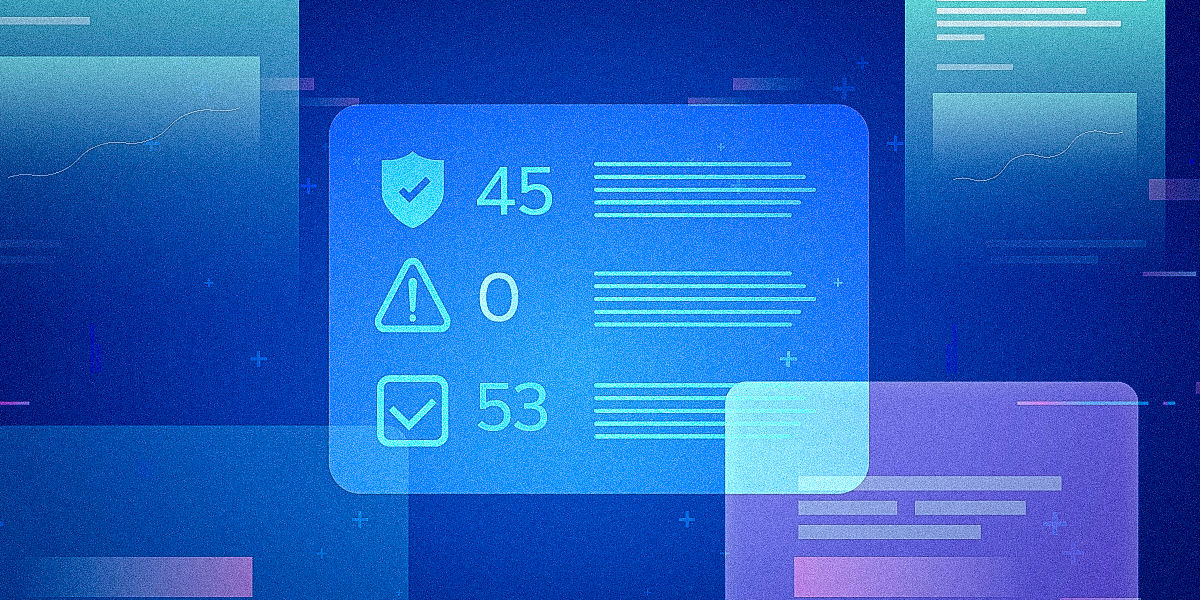
TeamViewer DEX helps aviation IT teams monitor, manage and remediate digital issues before they interrupt the passenger experience. With real-time diagnostics, automated remediation, and secure remote connectivity built for mission-critical environments, IT can act proactively instead of reactively. This is the promise of DEX.
By identifying and resolving issues before users experience them, TeamViewer DEX keeps your teams productive and your passengers moving.
TeamViewer DEX helps IT teams:
- Proactively prevent disruptions across check-in, baggage handling, and passenger service processes.
- Maintain compliance with ease.
- Reduce ticket volume and support bottlenecks so teams can focus on strategic initiatives.
- Minimize downtime and inefficiencies to lower operational costs.
Summary
Aviation runs on countless digital touchpoints, and when they work flawlessly, your passengers feel the difference. Creating that level of consistency takes more than reactive support. It takes proactive visibility, intelligent automation, and a digital workplace built to keep every journey moving. With the right tools, IT teams can stay ahead of issues, protect operational flow, and deliver the seamless experiences travelers expect.
Take off with TeamViewer DEX
TeamViewer DEX is your runway to uninterrupted operations, simpler compliance, and stronger passenger trust.