Data moves constantly through modern organizations. Employees share files, access cloud applications, communicate with customers, and collaborate across locations and devices. As information travels between users, systems, and networks, protecting it from unauthorized access becomes a critical security requirement. End-to-end encryption (E2EE) is one of the most effective methods for securing data in transit. By ensuring that only authorized parties can access information, E2EE helps organizations protect sensitive business data, support compliance requirements, and reduce cybersecurity risk.
What is end-to-end encryption?
End-to-end encryption is a security method that encrypts data on the sender's device and decrypts it only on the recipient's device.
This means that the information remains encrypted while it is:
- Transmitted across networks
- Processed by service providers
- Stored temporarily in transit systems
Only the intended recipient has the key required to decrypt and read the data. As a result, even if data is intercepted during transmission, it remains unreadable to unauthorized parties.
Why is end-to-end encryption important?
Organizations handle a wide range of sensitive information, including:
- Customer data
- Financial records
- Intellectual property
- Internal communications
- Business documents
- Operational information
Without strong encryption, this information may be vulnerable to interception, unauthorized access, or data breaches. End-to-end encryption helps reduce these risks by protecting data throughout the communication process.
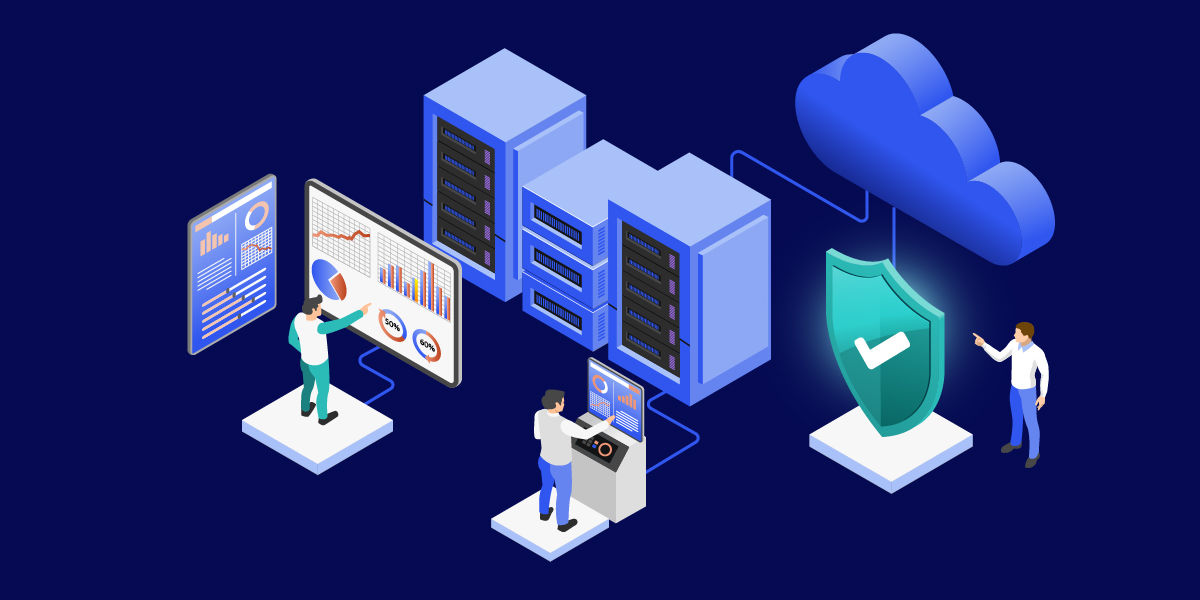
How end-to-end encryption works
End-to-end encryption vs. encryption in transit
These terms are often confused, but they are not identical.
Encryption in transit
Protects data while it moves between systems.
Examples include:
- HTTPS connections
- TLS-protected communications
- VPN traffic
End-to-end encryption
Ensures that only the sender and recipient can access the content itself. Even intermediary systems handling the communication cannot read the protected information. For highly sensitive communications, end-to-end encryption provides an additional layer of protection.
Benefits for enterprises
End-to-end encryption offers several advantages for organizations. It helps protect sensitive business communication, reduce security risk, and support stronger data protection practices across distributed teams and systems. .
Improved data protection
Sensitive information remains protected throughout the communication process. Because data is encrypted from sender to recipient, organizations can reduce the risk of confidential information being exposed during transfer or remote access sessions.
Reduced exposure to cyber threats
Encryption limits the value of intercepted data to attackers. Even if communication is captured, the encrypted information is designed to remain unreadable without the correct keys, making it harder for threat actors to misuse.
Regulatory compliance support
Many regulatory frameworks require organizations to implement strong security controls to protect data. End-to-end encryption can support these efforts by helping safeguard personal, financial, healthcare, or business-critical information during communication.
Increased customer trust
Demonstrating a commitment to data security can strengthen relationships with customers and partners. When organizations use strong encryption, they show that protecting sensitive information is a priority across their digital services and communications.
Common enterprise uses of end-to-end encryption
Organizations use end-to-end encryption in many scenarios, including:
- Secure messaging
- File sharing
- Remote access solutions
- Collaboration platforms
- Customer communications
- Financial transactions
- Healthcare systems
As remote and hybrid work environments continue to expand, encryption plays an increasingly important role in securing distributed operations.
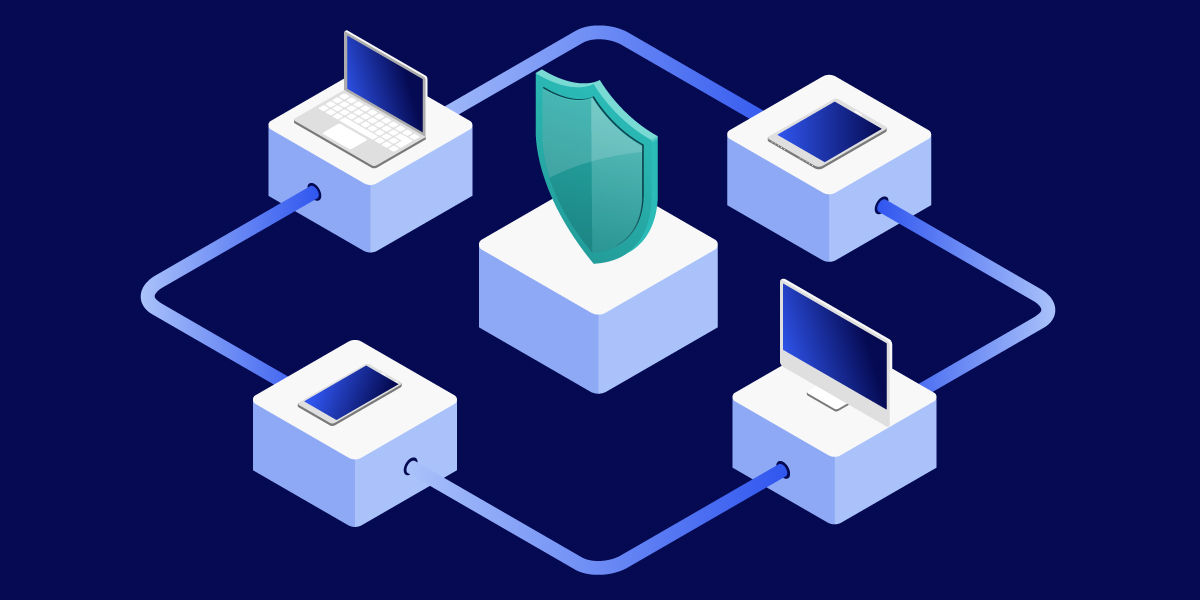
Challenges of end-to-end encryption
While highly effective, end-to-end encryption also presents some challenges.
Organizations may need to consider:
- Key management requirements
- User access controls
- Regulatory obligations
- Data recovery procedures
- Integration with existing systems
Strong encryption should be implemented as part of a broader security strategy rather than as a standalone control.
How TeamViewer uses encryption
Secure remote access depends on protecting information as it moves between devices. TeamViewer uses end-to-end encrypted connections to help protect remote sessions, file transfers, and communications between endpoints. Combined with authentication controls and additional security features, encryption helps ensure that only authorized users can access data exchanged during remote connections. For organizations supporting remote employees, distributed teams, and critical infrastructure, strong encryption is an important component of maintaining secure access to systems and information.
Best practices for protecting enterprise data
End-to-end encryption is most effective when combined with additional security measures.
Organizations should:
- Implement strong authentication
- Use multi-factor authentication
- Apply role-based access controls
- Keep systems updated
- Train employees on cybersecurity best practices
- Monitor access to sensitive information
- Maintain data backup and recovery processes
A layered security approach helps reduce risk across the entire organization.
Final thoughts
How does end-to-end encryption work to secure enterprise data
End-to-end encryption helps organizations protect sensitive information by ensuring that only intended recipients can access data. By encrypting information before transmission and decrypting it only at its destination, E2EE reduces the risk of interception and unauthorized access. As enterprises continue to adopt cloud services, remote work models, and digital collaboration tools, end-to-end encryption remains a critical technology for maintaining data security, privacy, and trust.