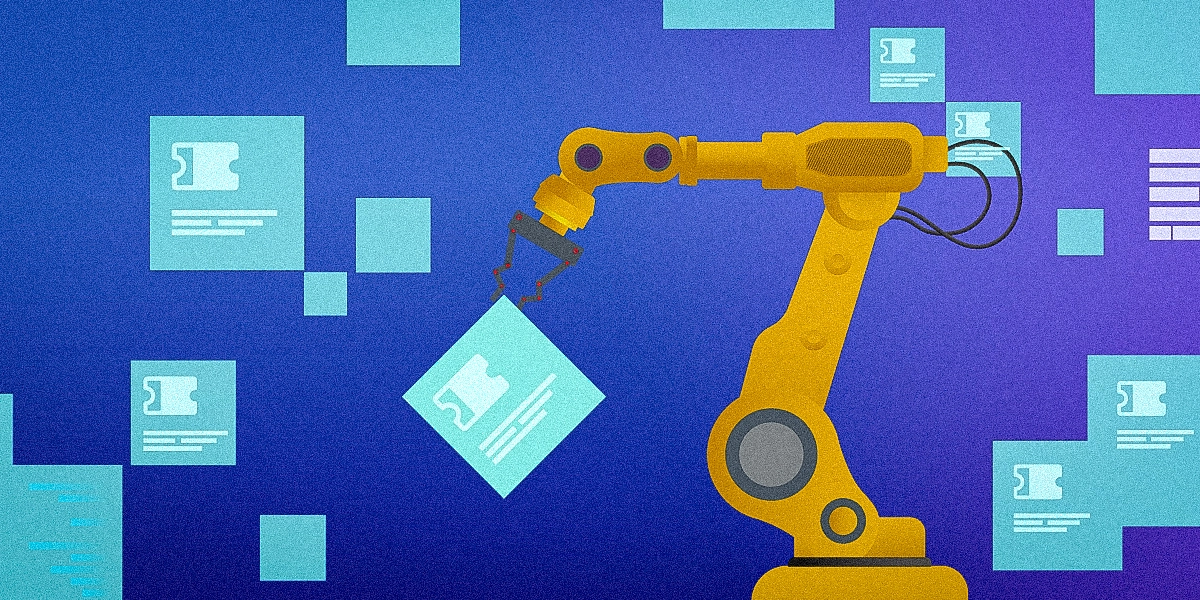
From overloaded to optimized: Scaling IT operations using DEX Essentials
Practical steps to help small and midsize IT teams work more efficiently and keep operations running smoothly
IT teams today manage more devices, support more applications, and serve more distributed users than ever before, often without the luxury of additional headcount. The result? Endless firefighting, reactive troubleshooting, and little time left for innovation.
The solution isn’t more hours or more people. It’s smarter systems that prevent problems before they start. When recurring issues are detected early and resolved automatically—before employees even notice—IT can shift focus from maintenance to momentum. That’s how lean teams scale impact without scaling cost.
To get there, you need to understand where your time goes, where patterns exist, and how to build processes that scale.
In this article:
Understand your recurring problems
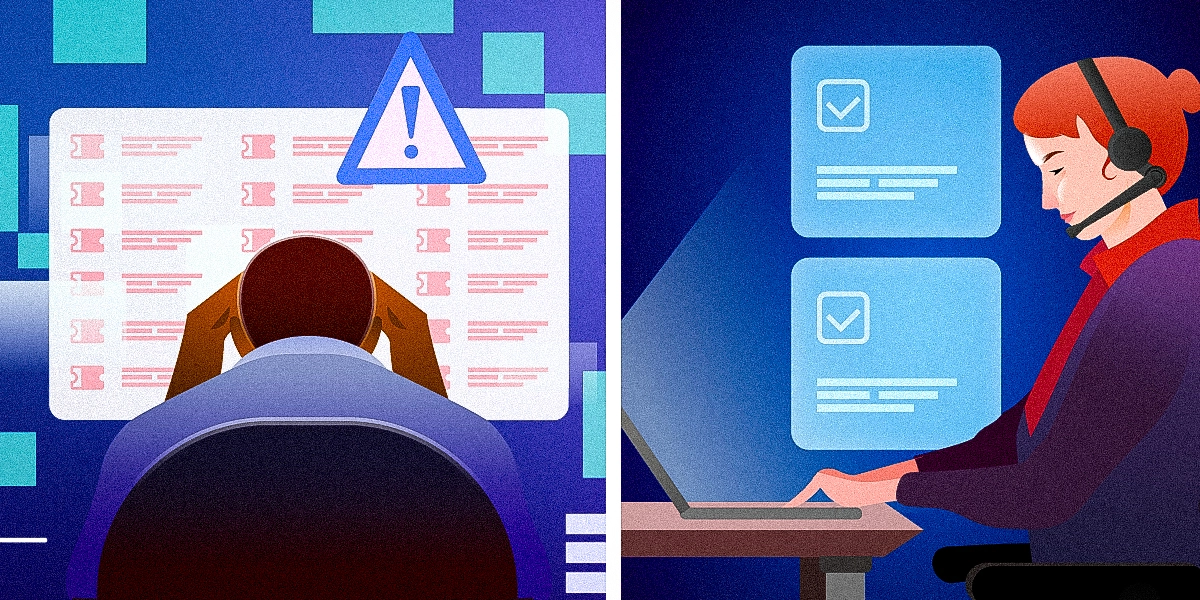
Most IT challenges follow a pattern. Look at your help desk data from the past month and you’ll likely see familiar culprits: applications crashing across multiple devices, recurring performance slowdowns, or critical security services failing in predictable ways. These patterns are more than pain points; they’re opportunities. When you can predict what's going to break, you can address it before it impacts your team's work and has a butterfly effect across your entire organization.
The goal isn’t to eliminate support work, it’s to make it smarter. By automating and standardizing responses to recurring issues, your team can free up time for higher-value work that demands human expertise. When fewer disruptions reach employees, digital employee experiences improve across the board and IT becomes a driver of business continuity.
A structured approach to scaling operations
The real shift happens when you stop treating every issue as a one-off and start building repeatable systems around the patterns you’ve identified. Instead of relying on individual fixes, you create a framework that keeps your environment healthy with less hands-on effort.
Here’s how forward-thinking IT teams are doing it.
1. Get visibility into what's happening
You can't fix what you can't see. The first step is gaining visibility into what’s happening across your environment, not just when someone logs a ticket, but before issues impact users.
This is where digital experience monitoring comes in. TeamViewer DEX Essentials, for example, gives IT teams complete visibility into endpoint performance, application health, system security, and network stability across the digital workplace.

It surfaces actional insights in real time. That means your teams get a clear view of issues that typically generate tickets, with the ability to drill down into each insight for more detail. This visibility transforms how you work. Instead of reacting to disruptions, you’re identifying and resolving them while they’re still manageable.
2. Fix common issues automatically
Once you understand what’s happening, you can start automating the fixes your team performs most often. Performance bottlenecks can be resolved by clearing temporary files or restarting resource-heavy processes. Windows errors can be repaired automatically. Security services can be restarted, and updates reapplied without manual effort.
TeamViewer DEX Essentials helps fix everyday IT problems with automated remediations for these common scenarios across performance, applications, operating systems, security, and networking. You can apply fixes at the device level and then automate them across your organization. The goal isn’t to automate everything, it’s to free your team from repetitive tasks that drain capacity.
Lean IT teams that shift to proactive operations report meaningful time savings, reclaiming several hours per week by automating common fixes.