
TeamViewer Connect London: Building trust in the autonomous workplace
Quick readIn September, TeamViewer Connect London brought together IT leaders, customers, partners and analysts to discuss how organizations can move toward a more proactive and autonomous digital workplace.
Throughout the day, one theme surfaced repeatedly: technology is advancing quickly, but successful adoption depends on closing the gap between what is possible and what organizations and employees are ready to embrace.
Moving from reactive IT to proactive support
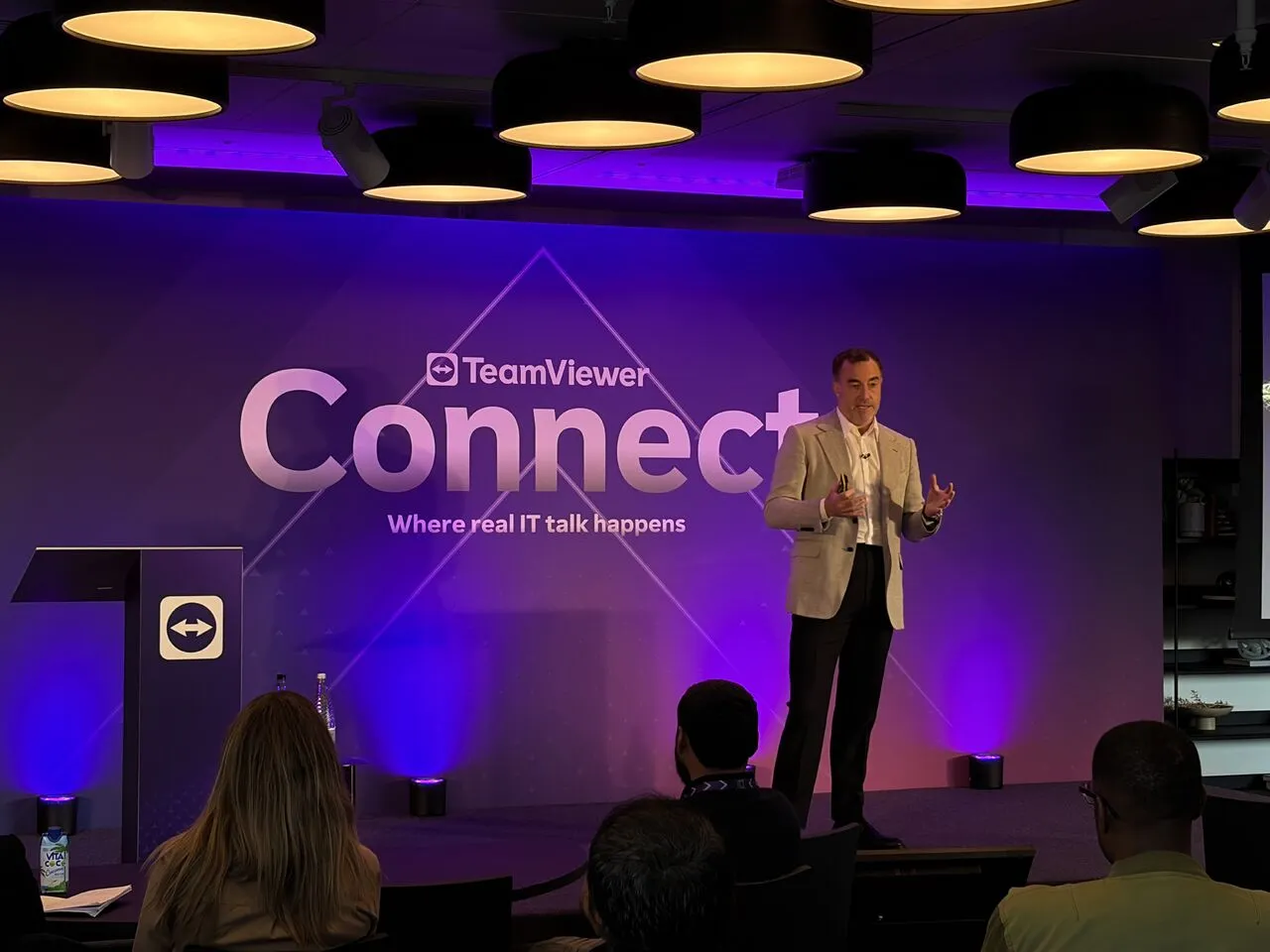
In his opening keynote, TeamViewer Chief Revenue Officer Mark Banfield explored why traditional reactive IT models are becoming increasingly difficult to sustain as businesses grow more dependent on digital technology.
Employees expect workplace technology to perform as seamlessly as the devices they use in their personal lives, while even short periods of disruption can carry significant business consequences. For one UK retailer discussed during the event, an hour of downtime was estimated to cost around £1 million.
The opportunity for IT teams, as Mark explained, is to identify and resolve issues before they disrupt employees or customers. For example, TeamViewer helps a global bank manage more than 130,000 devices in the US, with proactive IT support estimated to save around 67,000 hours each year.
Customers put proactive IT into practice
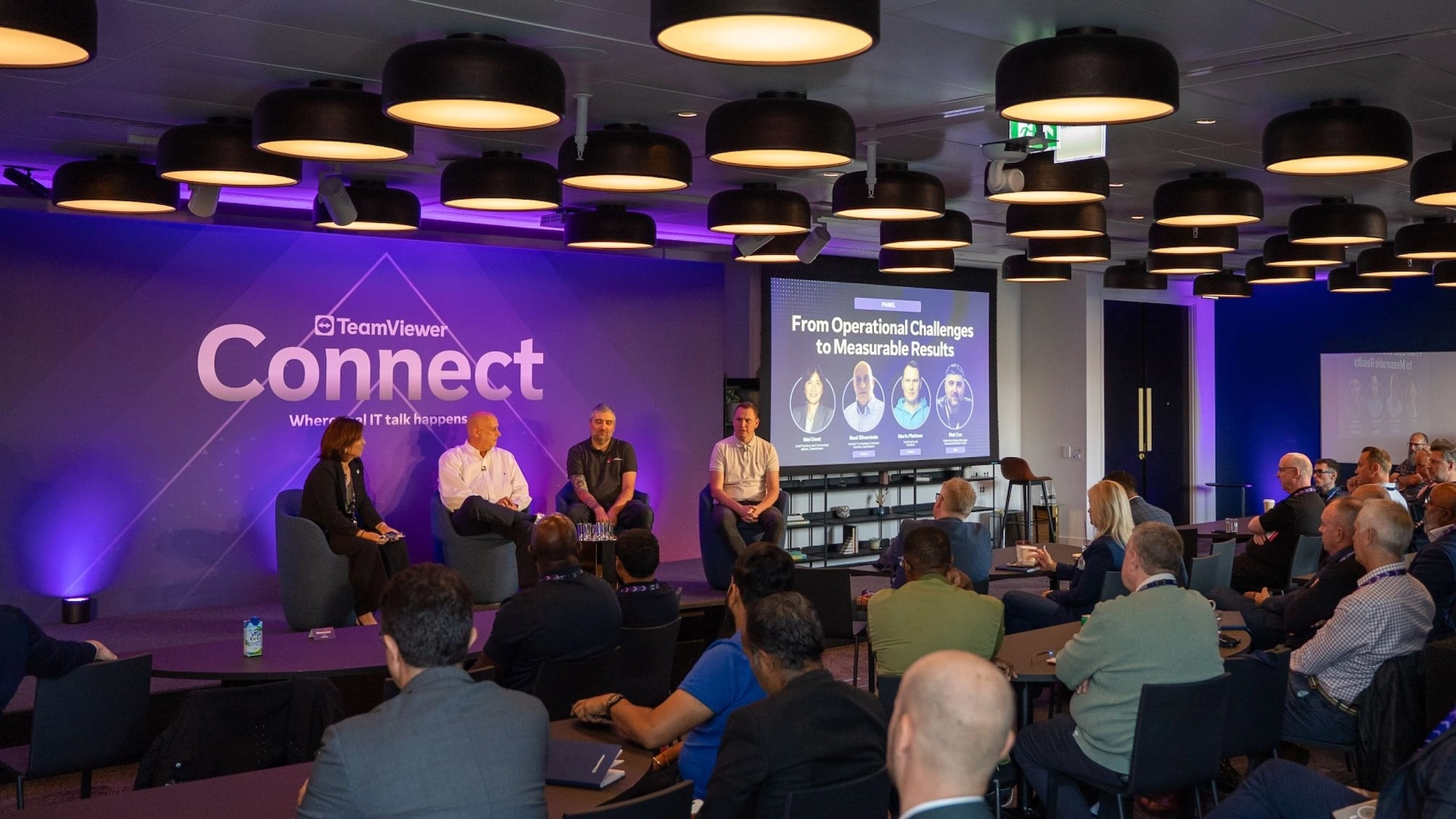
A panel featuring several TeamViewer customers showed how organizations are already applying these ideas in practice.
- Specsavers, a multinational optical and audiology group, began using TeamViewer during COVID, deploying the technology within days to maintain critical operations. Augmented reality later helped unlock several new revenue streams, while virtual testing enabled optometrists to continue supporting customers remotely. Specsavers is also using Digital Employee Experience (DEX) capabilities to identify issues with slow tablets and extend the devices' useful life by around 18 months — helping avoid technology delays that can affect customer experience.
- The panel also featured a major food processing and retailing company whose IT team manages numerous tickets each day. The company is exploring Tia Reporting to help identify when certain programs are down and whether further action is needed, supporting the company’s broader goal of shifting more IT support to the left.
What will it take to build an autonomous workplace?
In a discussion on the future of digital work, TeamViewer Chief Product and Technology Officer Mei Dent and Sebastian Schrötel, Senior Vice President Product Management, emphasized that autonomy will develop alongside — rather than immediately replace — existing IT support models.
As AI agents take on a greater role in the workplace, organizations will also need to manage risks such as unauthorized access, maintain visibility into how decisions are made and create feedback loops that allow systems to learn over time.
That balance between automation, transparency and human control will be essential to building trust.
TeamViewer research highlights the challenge ahead: IT decision-makers expect 39% of digital workplace services to be autonomous by 2030, while 61% of employees say they do not want AI taking independent action.
Connect London made clear that the path toward greater autonomy is already taking shape. The next step is ensuring technology, people and trust advance together.