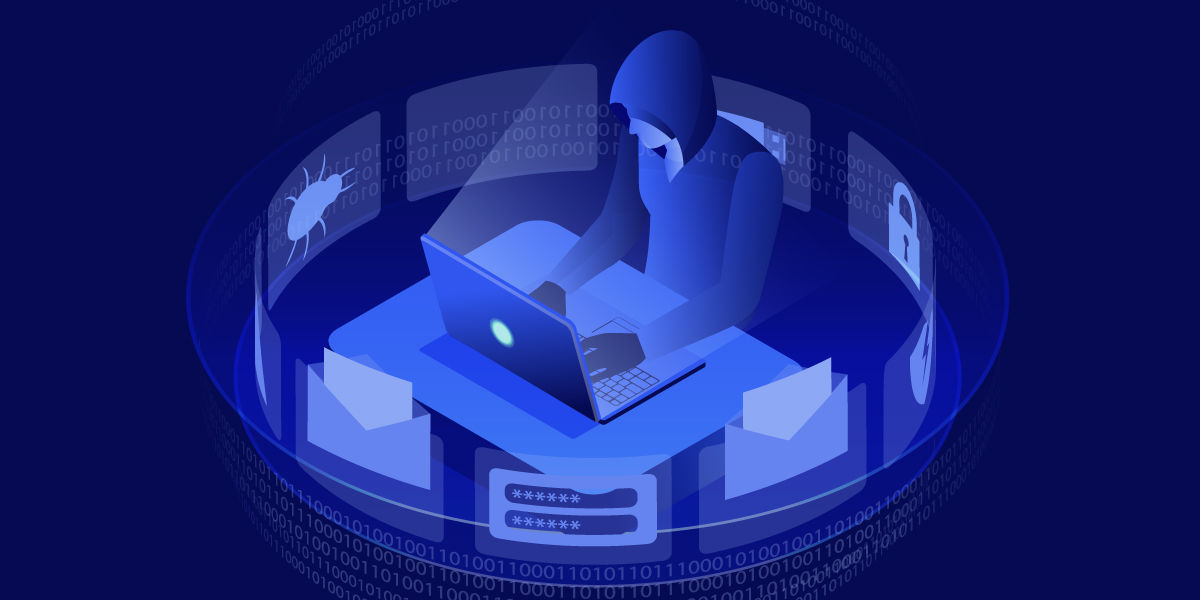
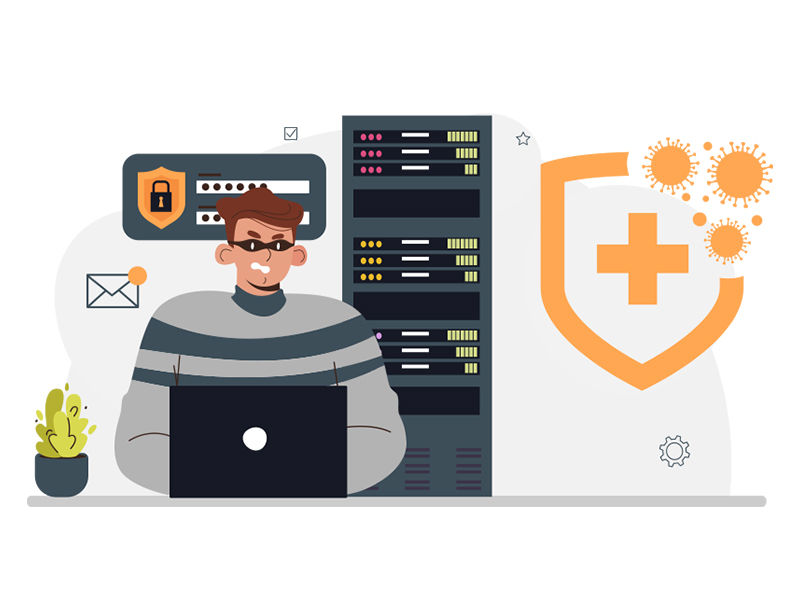
Malware refers to any intrusive software developed with malicious intent. The primary goal of this software is to infiltrate, damage, or disable computers, systems, and networks, often to steal sensitive data or extort money.
For businesses, the consequences of a malware attack extend beyond immediate financial loss. They include reputational damage, operational downtime, and the erosion of customer trust. Recent attacks have shown that no industry is immune, making robust cybersecurity a non-negotiable component of modern business strategy.
This article provides a comprehensive overview of malicious software. We will explore its definition, detail the most common types you are likely to encounter, explain how attacks are executed, and provide actionable strategies to protect your company’s devices and networks.
In this article
When we discuss what is malware in cyber security, we are referring to the broad category of software specifically designed to cause harm. It is an umbrella term that encompasses a wide range of hostile programs created by cybercriminals. The fundamental goal of any malware is to execute unauthorized actions that benefit the attacker, whether that involves stealing corporate secrets, encrypting files for ransom, or simply causing chaos.
The defining characteristic of malware is its malicious intent. Unlike legitimate software that may contain bugs or vulnerabilities, malware is intentionally developed to be harmful. Its purpose is to sabotage systems, breach privacy, or gain unauthorized control over a device or network. This intent is what separates a poorly coded application from a genuine cyber threat.
From a technical perspective, the answer to what is malware in computer systems is that it is executable code. This code invades a device and performs its destructive functions without the user's consent. Once active, it can replicate, spread to other devices, delete files, or transmit data back to the attacker's command-and-control server, all while trying to remain undetected.
For any modern enterprise, understanding what malware is is the foundation of a strong security posture. Recognizing that these threats are not just random glitches but calculated attacks allows IT teams to implement more effective defensive measures. This knowledge empowers you to move from a reactive to a proactive security model, anticipating threats before they can inflict damage.
Malware is not a monolithic threat; it manifests in numerous forms, each with unique behaviors and objectives. Understanding the different types of malware is essential for developing targeted defense strategies. Attackers continuously refine these variants to bypass security controls, making awareness a critical tool for IT professionals.
Two of the oldest and most well-known types are viruses and worms. A virus attaches itself to a clean file and requires human action, like opening an infected document, to spread. In contrast, a worm is a standalone program that can self-replicate and propagate across networks without any user interaction, often exploiting system vulnerabilities to spread rapidly.
Modern threats often include Ransomware and Trojan horses. Ransomware is a particularly destructive form of malware that encrypts a victim’s files, rendering them inaccessible until a ransom is paid. A Trojan, or Trojan horse, disguises itself as legitimate software to trick users into installing it. Once installed, it can create backdoors, steal data, or download other malicious payloads.
Other common malware examples include Spyware, Adware, and Backdoors. Spyware secretly monitors your activity, collecting sensitive information like passwords and credit card numbers. Adware is less malicious but highly intrusive, bombarding your device with unwanted advertisements. A backdoor provides attackers with covert remote access, allowing them to control the system without being detected.
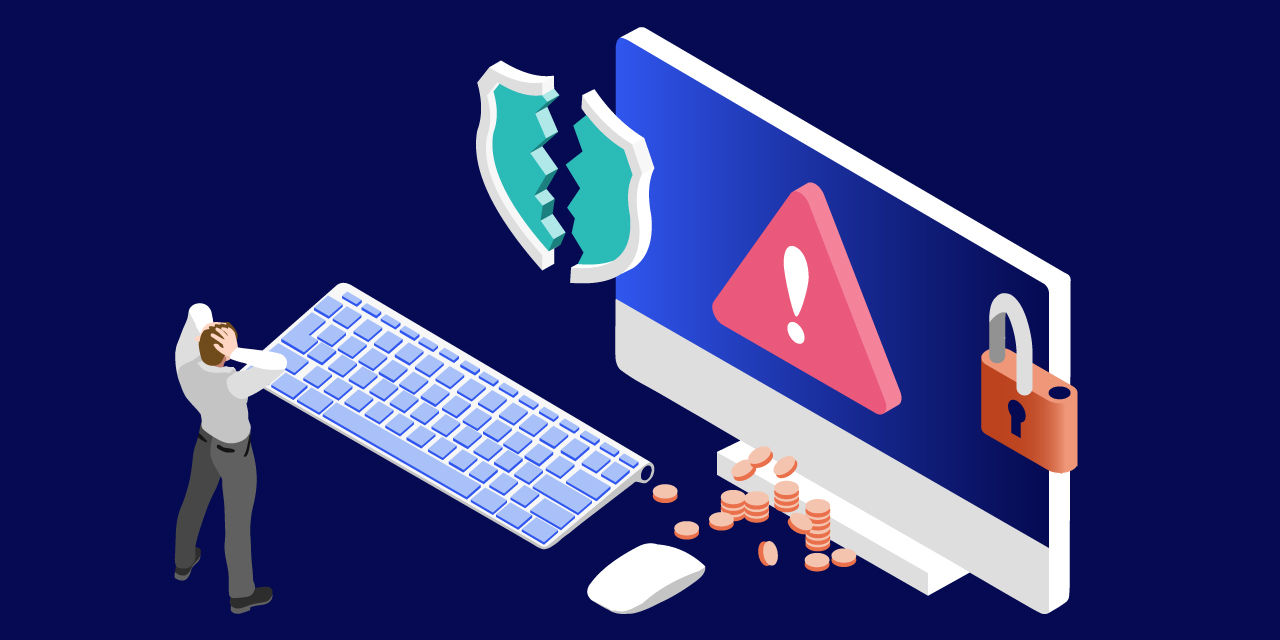
A malware attack is the process by which malicious software is delivered to and executed on a target system. These attacks are the practical application of malware, turning a piece of harmful code into an active threat that can compromise data, disrupt operations, and cause significant financial damage to an organization.
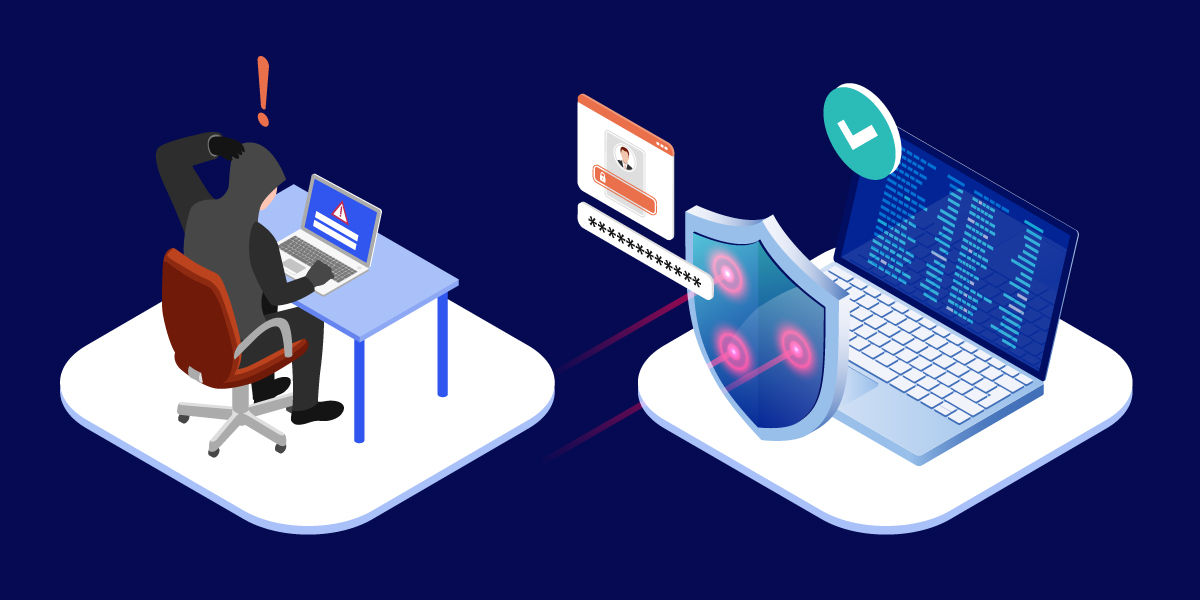
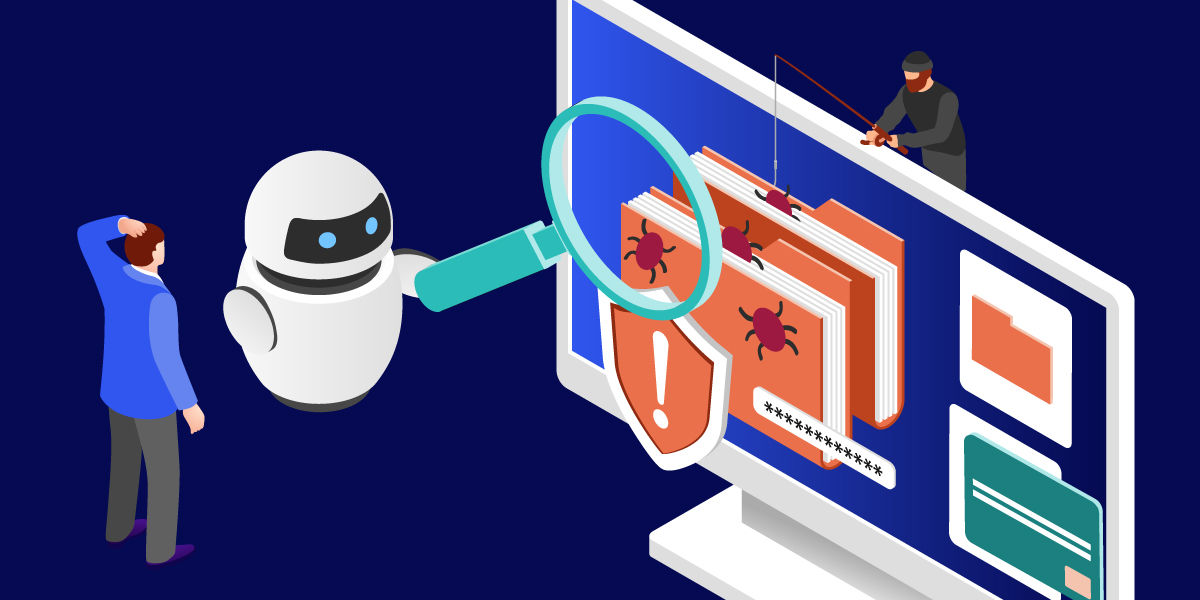
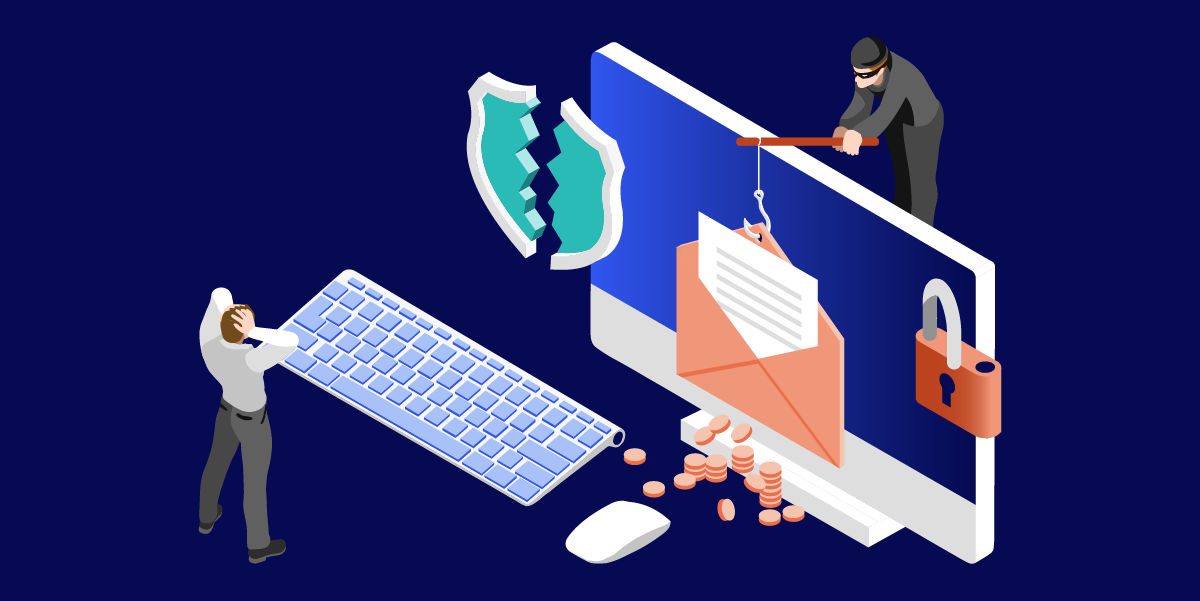
The most common delivery vector for malware is social engineering, particularly through phishing campaigns. So, what is phishing? It is a deceptive tactic where attackers send fraudulent emails or messages that appear to be from a legitimate source. These messages are designed to trick recipients into clicking a malicious link or downloading an infected attachment, which then installs the malware.
Once delivered, the malware needs to be executed. This can happen automatically when a vulnerability is exploited or may require a user to take an action, such as running a downloaded file. After execution, the malware carries out its intended function. This explains what is malware used for: it could be anything from encrypting files (ransomware), capturing keystrokes (spyware), or enlisting the device into a botnet.
Ultimately, many successful malware attacks exploit the human element. An employee clicking on a suspicious link or using a weak password can inadvertently open the door for an attacker. This is why a comprehensive security strategy must include not only technical controls but also robust security awareness training to empower users to become the first line of defense.
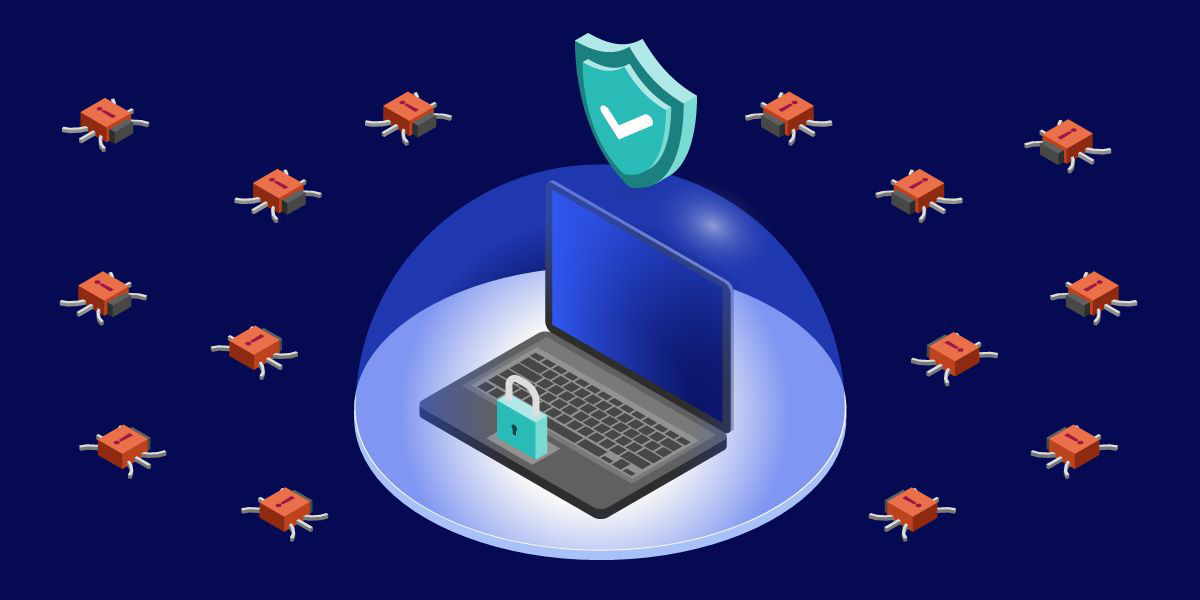
Knowing how to prevent malware requires a strategic, multi-layered approach that combines technology, policy, and education. There is no single solution that can stop every threat, so building a defense-in-depth security architecture is critical for protecting your enterprise's digital environment from increasingly sophisticated attacks.
Your first layer of defense should be technical. This includes deploying next-generation firewalls, advanced endpoint protection platforms (EPP), and secure email gateways to filter out malicious content. Equally important is a rigorous patch management program. Regularly updating operating systems, applications, and firmware closes known vulnerabilities that attackers frequently exploit to deliver malware.
Beyond technology, you must establish and enforce strong security policies. This includes implementing the principle of least privilege, ensuring employees only have access to the data and systems necessary for their roles. Enforcing strong, unique passwords and mandating multi-factor authentication (MFA) adds critical layers of security that can thwart many common attack techniques.
Finally, user education is paramount. Conduct regular security awareness training to teach employees how to recognize and report phishing attempts and other social engineering tactics.
In an era of hybrid work, securing remote connections is also essential. Using an end-to-end encrypted solution for remote access ensures that every connection to your corporate network is secure, preventing malware from infiltrating your systems through off-site devices.
To recap, malware is a pervasive and significant threat to organizations of all sizes. This malicious software is intentionally designed to compromise systems, steal data, and disrupt business operations. Understanding what it is, the various types that exist, and the methods attackers use to deploy it is the cornerstone of effective cyber defense.
The most effective strategy for how to prevent malware is a proactive, layered one. It requires a combination of robust technological defenses like firewalls and endpoint protection, clear and enforceable security policies, and continuous employee education to mitigate the human risk factor. No single element is sufficient on its own; they must work in concert.
In a world increasingly defined by remote and hybrid work, securing every endpoint has become more critical than ever. Every remote connection is a potential entry point for threats. We empower your world from anywhere by providing seamless and secure remote access solutions that help you maintain productivity and collaboration without compromising your organization's security.