Insights
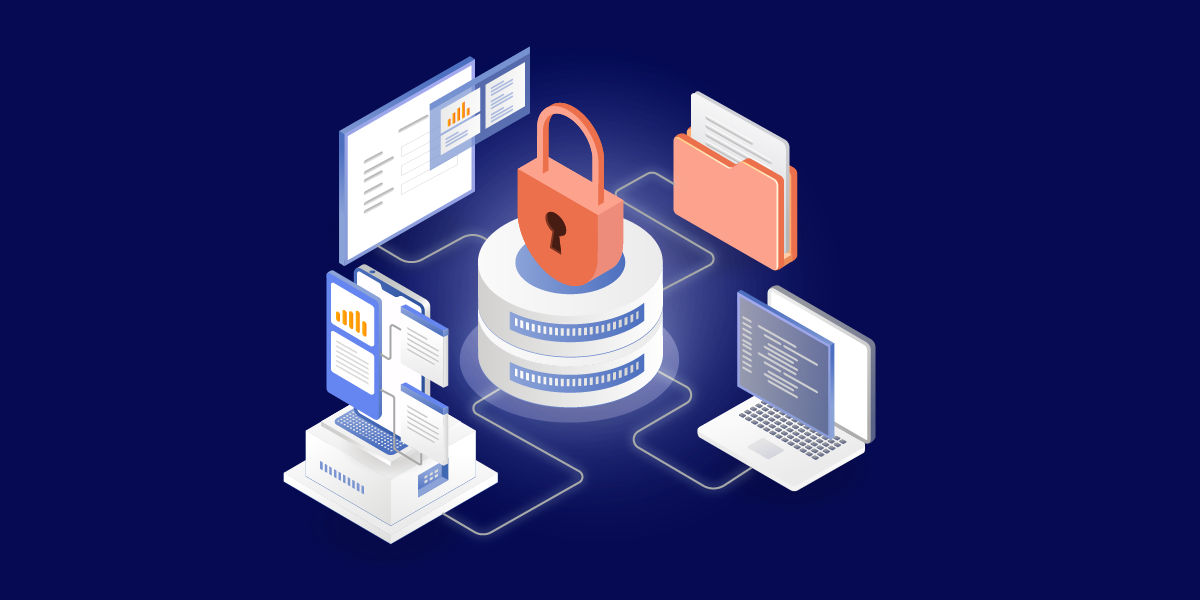
A single data breach can expose millions of records, crippling a company's finances and reputation overnight. The primary defense against this catastrophic outcome isn't a physical vault, but a mathematical process. This process, data encryption, transforms sensitive information into an unreadable format, rendering it useless to unauthorized parties.
Data has become the most valuable asset for modern enterprises. From customer information and financial records to proprietary intellectual property, the information your company holds is a prime target for cybercriminals. Without adequate protection, this data is exposed and vulnerable to theft or misuse.
The central challenge is securing this data wherever it exists—whether stored on a server, moving across a network, or being used on an employee's laptop. This is precisely what data encryption is designed to solve. It acts as the ultimate safeguard, ensuring that even if data is intercepted, it remains confidential and secure.
This article provides a comprehensive overview of data encryption for business and IT professionals. We will explore how it works, the primary types used today, and why implementing a robust encryption strategy is critical for compliance, security, and maintaining customer trust in a complex digital landscape.
At its core, data encryption is the process of converting readable data, known as plaintext, into an unreadable, scrambled format called ciphertext. This conversion is performed by a computer algorithm, or cipher. To transform the plaintext, the algorithm uses a specific variable known as an encryption key, which is a string of characters. Only someone with the correct key can reverse the process.
The security of the encryption depends on two factors: the strength of the algorithm and the secrecy of the key. Modern encryption algorithms, like the Advanced Encryption Standard (AES), are publicly known and have been rigorously tested by security experts. Their strength lies in the mathematical complexity that makes it computationally infeasible for an attacker to break the ciphertext without possessing the correct key.
A simple data encryption example to illustrate the concept is the Caesar cipher, where each letter in the plaintext is shifted a certain number of places down the alphabet. If the key is 3, "SECURITY" becomes "VHFXULWB". While trivially easy to break, this demonstrates the fundamental principle. Modern ciphers used in IT systems apply vastly more complex mathematical transformations, making them resistant to brute-force attacks.
The process of converting ciphertext back into its original, readable plaintext is known as decryption. This is the essence of what is data encryption and decryption: a two-way process that locks and unlocks information. Effective data decryption is only possible with the corresponding key, ensuring that only authorized users can access the sensitive information.
Understanding the different types of data encryption is essential for implementing an effective security strategy. The methods are primarily distinguished by how they use encryption keys. Each type is suited for different scenarios, from securing large databases to enabling secure online communications.
The first major type is symmetric encryption. This method uses a single, private key for both the encryption and decryption processes. Both the sender and the receiver must have access to the same secret key. Symmetric algorithms like AES are extremely fast and efficient, making them ideal for encrypting large volumes of data, such as entire hard drives or large databases within a Cloudian HyperStore environment. The main challenge is securely sharing the key between parties.
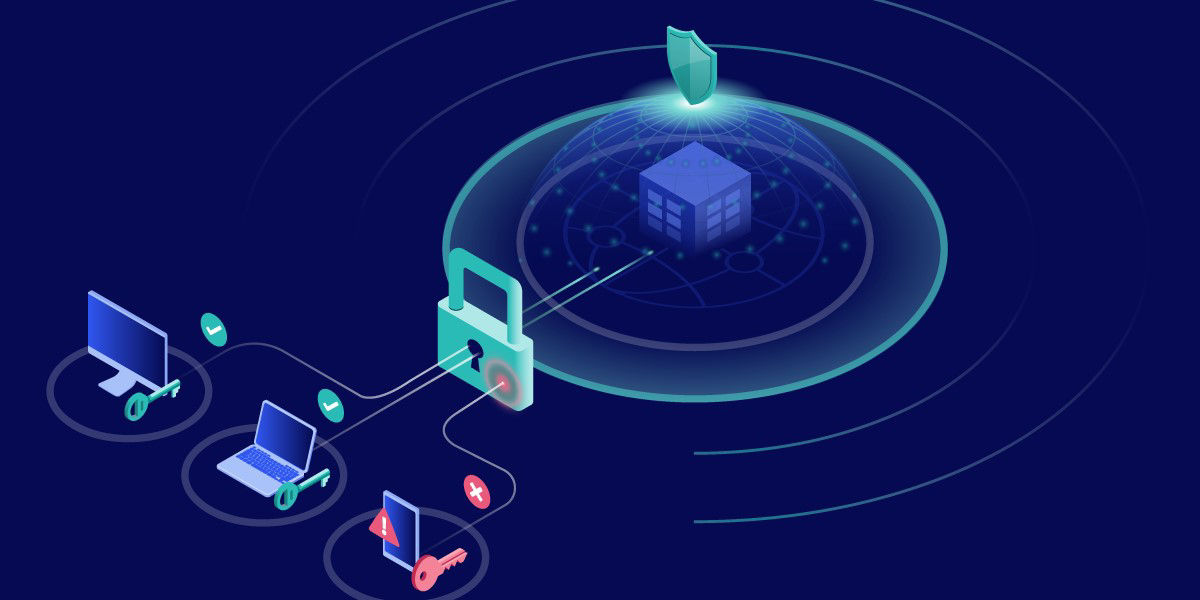
The second type is asymmetric encryption, also known as public-key cryptography. This method uses a pair of keys: a public key, which can be shared freely, and a private key, which must be kept secret. Data encrypted with the public key can only be decrypted by the corresponding private key. Algorithms like RSA are foundational to internet security, enabling secure protocols like Transport Layer Security (TLS) used by browsers like Google Chrome.
Beyond the algorithms, encryption is also classified by the state of the data it protects.
Data at rest refers to information stored on a physical or cloud medium, such as a hard drive, an S3 Storage Object Storage bucket, or in Office 365 Backup files. Technologies like Windows 11 BitLocker and Apple's FileVault provide full-disk encryption to protect this data.
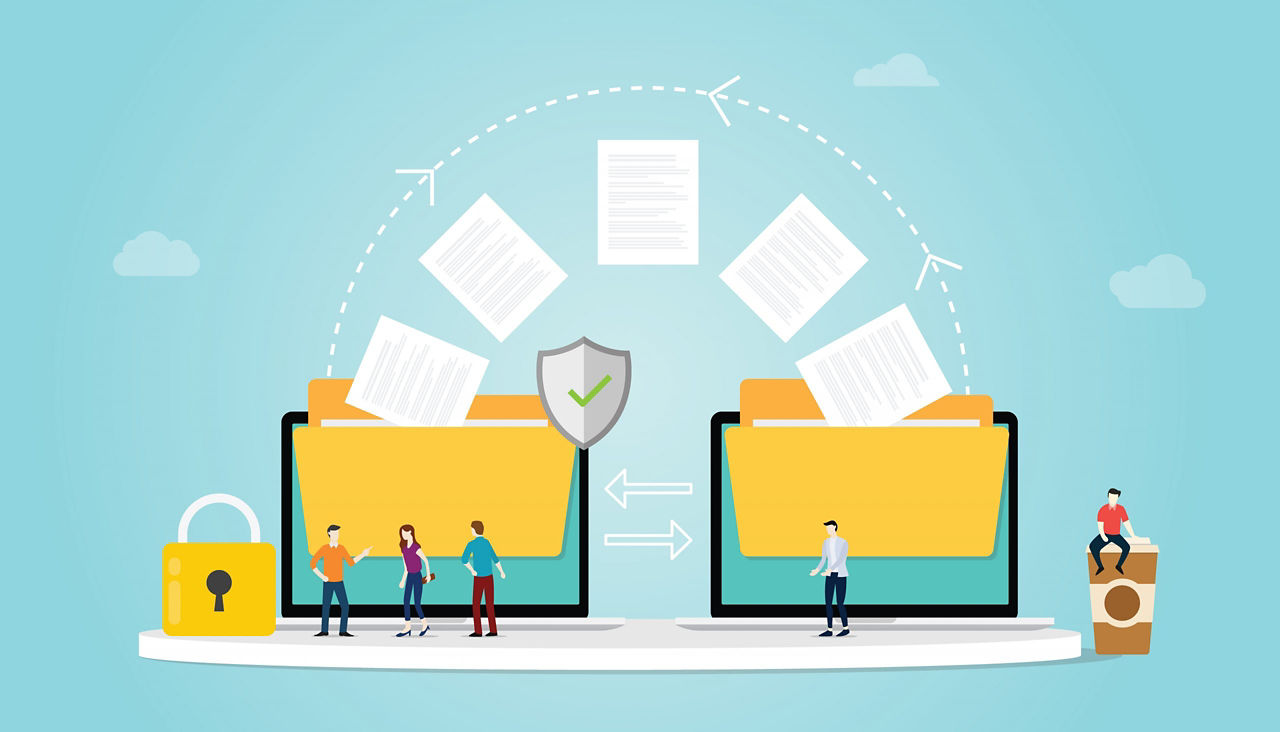
Data in transit is information moving across a network, such as the internet. TLS and Virtual Private Networks (VPNs) encrypt this data to prevent eavesdropping, which is crucial for enabling secure remote desktop access and protecting communications.

For modern enterprises, the question is not if you should use encryption, but how and where. The implementation of data encryption is driven by critical business needs that extend far beyond the IT department. It is a cornerstone of risk management, corporate governance, and brand integrity.
First and foremost is regulatory compliance. A growing number of global and industry-specific regulations mandate the protection of sensitive data. Regulations like the GDPR in Europe, HIPAA for healthcare in the US, and PCI DSS for the payment card industry explicitly require organizations to implement technical safeguards, with encryption being a primary method. Failure to comply can result in severe financial penalties, legal action, and operational restrictions.
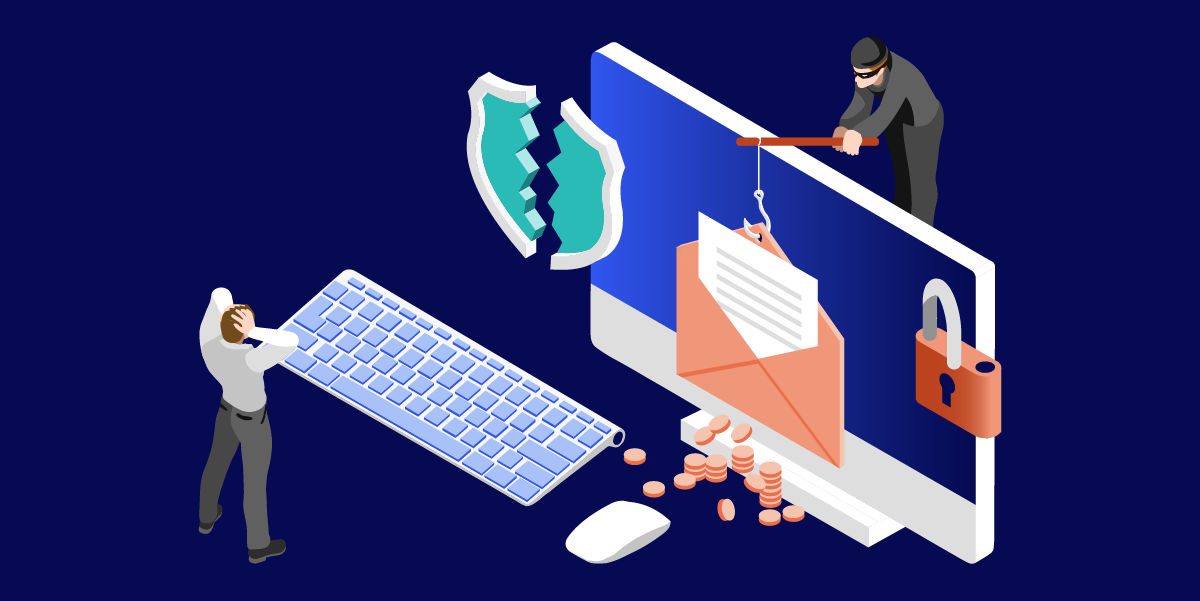
Encryption is fundamental to maintaining brand reputation and customer trust. A data breach can irreparably damage a company's image. Customers and partners expect their data to be handled responsibly. Proactively implementing strong encryption demonstrates a commitment to security and privacy, which can be a significant competitive differentiator. This commitment is often a key factor for recognition in programs like the Gartner Peer Insights Customers' Choice.
Encryption is vital for the protection of intellectual property (IP). Your company's most valuable assets may not be physical but digital: trade secrets, product designs, proprietary source code, and strategic business plans. Encrypting this data, whether at rest in a Cloudian object store or in transit between offices, prevents corporate espionage and ensures that your competitive advantages remain confidential. This is a core component of understanding what is data encryption in cyber security.

A successful data encryption strategy is not a one-time project but an ongoing program that requires careful planning and management. It involves more than just deploying a single technology; it requires a holistic approach to data governance and security across the entire organization.
The first step is data discovery and classification. You cannot protect what you do not know you have. Organizations must perform a thorough inventory of their data assets to identify where sensitive information resides. Once discovered, data should be classified based on its sensitivity level (e.g., public, internal, confidential). This allows you to apply the appropriate level of encryption and access controls where they are most needed.
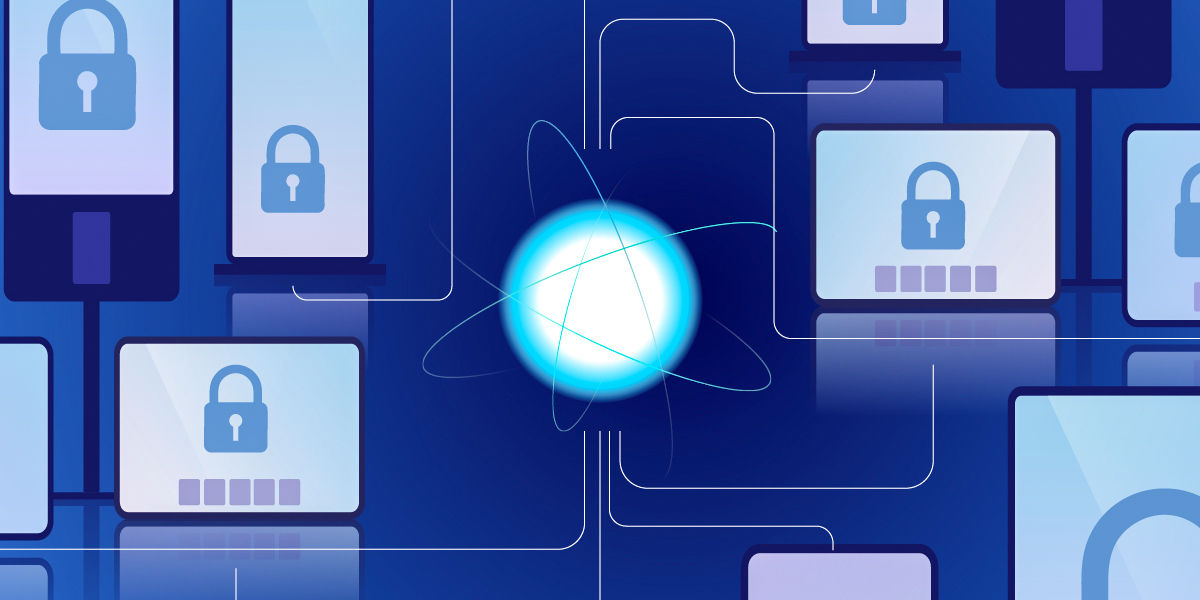

Next is establishing a strong key management policy. An encryption system is only as secure as the keys that protect it. A comprehensive policy should govern the entire lifecycle of your encryption keys, including secure generation, distribution, storage, rotation, and eventual destruction. Using a centralized key management system is critical to prevent keys from being lost, stolen, or mismanaged, which would render the encrypted data inaccessible or vulnerable.
Finally, encryption must be integrated across the entire data lifecycle. This means applying protection to data at rest, data in transit, and, where possible, data in use. For data moving across networks, robust encryption is non-negotiable.
For remote workforces, this principle is paramount. TeamViewer, for example, builds its solutions on a foundation of security, using end-to-end 256-bit AES encryption to ensure that all remote access and collaboration sessions are completely private and protected from interception. This commitment to security empowers teams to work productively from anywhere without compromising sensitive corporate data.
Data encryption has evolved from a niche technical tool to a fundamental pillar of modern business strategy. It is the essential process that converts vulnerable plaintext into secure ciphertext, protecting information from unauthorized access whether it is stored on a server, moving across the internet, or residing on a remote device. By implementing a comprehensive strategy that includes symmetric and asymmetric methods, organizations can safeguard their most critical assets, ensure regulatory compliance, and build lasting trust with their customers.
Your data's security is a direct reflection of your company's resilience and integrity. Take the proactive steps needed to protect it. Secure your remote operations with a platform built on end-to-end encryption and discover how TeamViewer can empower your business today.