In search of the network effect
Linking devices and systems and removing data silos increases productivity, but only 5% of businesses say that they offer seamless connectivity.
Seamless technology connectivity can be a superpower for businesses. But, according to our research, an overwhelming 95% of business leaders say their companies are yet to achieve it.
Connecting systems, data, and applications unlocks numerous benefits. An automotive company might fit sensors to parts and factory machines to create automated production forecasts.
Autonomous mobile robots in smart factories can reduce scrap by up to 30% by handling materials more accurately than human workers. In healthcare, unfettered access to patient data can reduce diagnosis times. For knowledge workers, unified communications tools can boost productivity.
“95% of business leaders say their companies are yet to achieve technology connectivity.”
Connectivity is vital; it allows the information collected from sensors to be sent to a data platform where it can be combined with other data, analyzed, and used to generate meaningful insights. Connected technology passes these insights to experts or to the relevant robots that can turn them into actions.

However, in our survey of 500 business leaders across four industries and six markets, only 5% say they have achieved seamless technology connectivity. Business leaders who haven’t achieved this level of connectivity blame various barriers, including differences in internal culture, a lack of consistent IT tools across markets and functions, and the absence of a “single version of truth” data set.
When asked what the biggest barrier to technology connectivity is, businesses are most likely to say the C-suite (42%), which suggests that more needs to be done to gain the attention and support of leadership. This is imperative, particularly as businesses look to take advantage of the benefits offered by artificial intelligence (AI) — another data-hungry technology that requires connectivity to unlock its power.
Breaking down silos
Silos are an issue in any large organization. Research by Forrester found that knowledge workers spend almost 12 hours a week searching for the information they need to do their jobs.
Another study from Coveo suggests workers could waste more than 20 hours per week searching for data spread across different systems and departments.
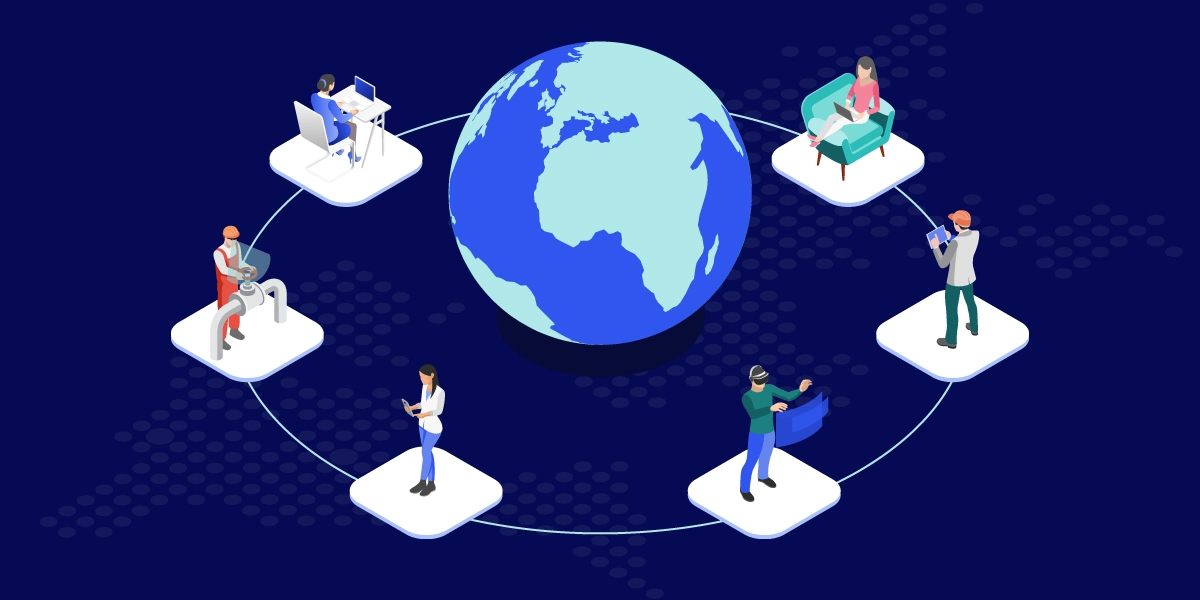
In a global enterprise, the US office might depend on cloud-based data storage, while their European colleagues might follow strict on-premises data policies because of concerns about regulations such as the GDPR.
Such disparities can make it hard to create a data set that represents a single version of truth. A bank might store its customer transaction history on a legacy system, such as a mainframe, while storing behavioral data, such as mobile-app usage, on a modern cloud platform. A customer service representative must access multiple systems to obtain a full overview of a customer’s account, with inevitable issues around data comparability.
Feeding artificial intelligence
Data silos are a pressing problem with the rise of AI — a data-dependent technology. Generative AI tools could significantly increase productivity and efficiency with connected data. For example, AI could analyze a company’s product manuals and then answer questions from a helpdesk worker or directly from an end user. It could offer similar value using sales data, supply chain information, or regulatory compliance information.
“If I don’t have to stop and enter information because the system I’m using just understands what I’m doing, that could be transformative. I think that’s pretty amazing.”

Director Product Management at TeamViewer
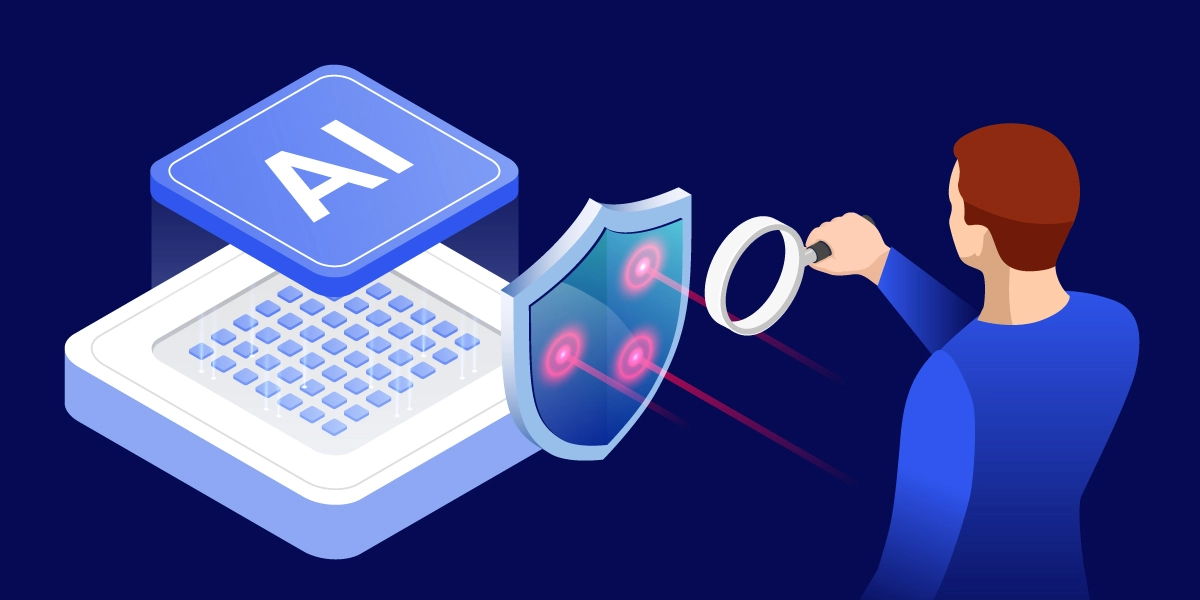
The widespread adoption of AI raises security concerns, however. “We only allow people to go on a test-bed environment, where we are monitoring what they’re looking to achieve from using these platforms,” says Peter Smith, Director of IT Operations EMEA and India at Cision. “Then, we’ve got a steering committee that looks at how people are trying to use these technologies in their day-to-day roles and how we can embed that into our workflows.”