IIoT explained: How the industrial internet of things is transforming modern industry

The industrial internet of things (IIoT) is more than just a buzzword. It’s a revolutionary shift in how industries operate. By connecting machines, equipment, and processes through intelligent sensors and networks, IIoT enables businesses to collect real-time data, automate workflows, and drive smarter decisions.


Whether you're asking yourself, “What is IIoT?” or exploring how the industrial internet of things can optimize your operations, this guide is a great starting point.
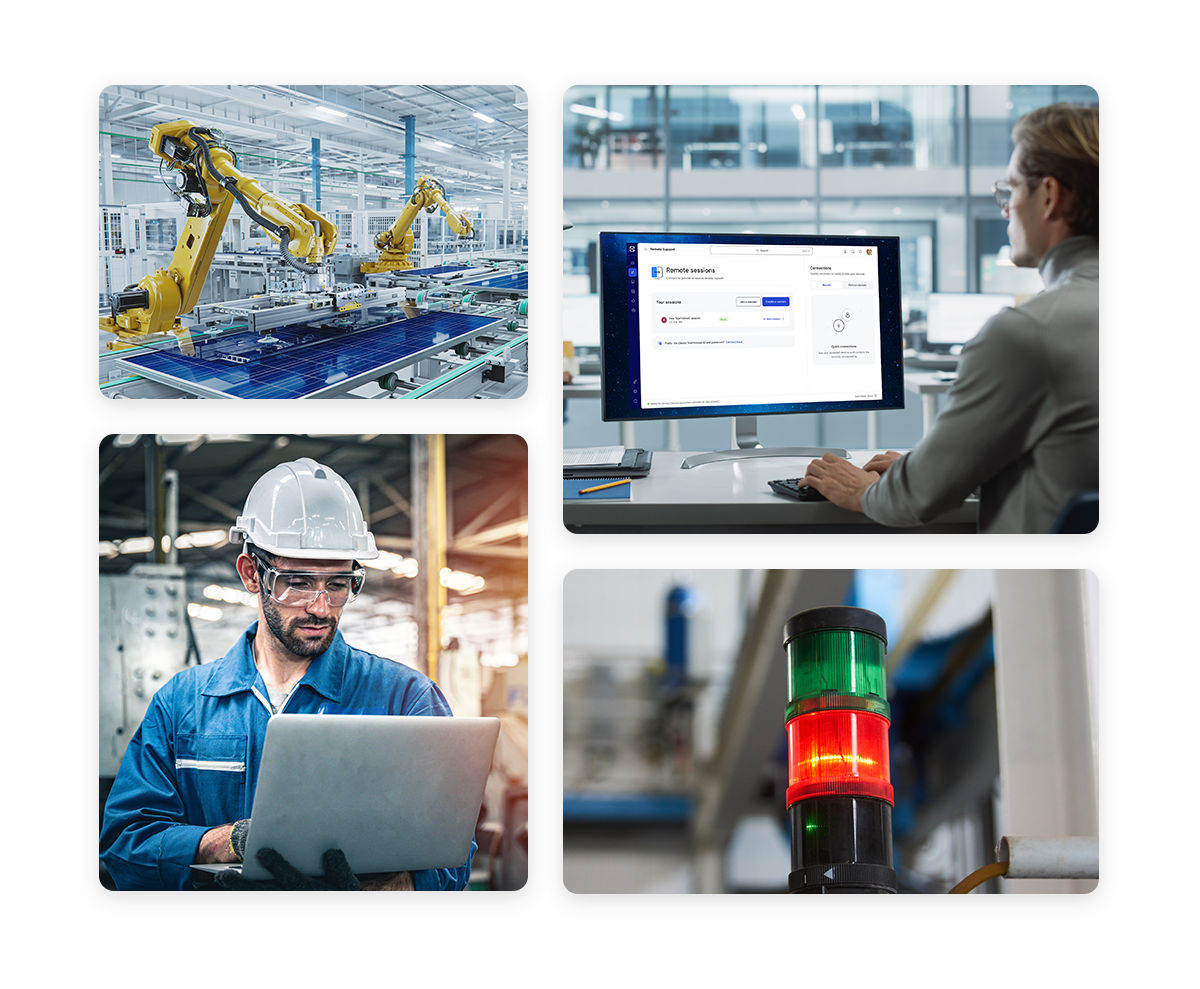
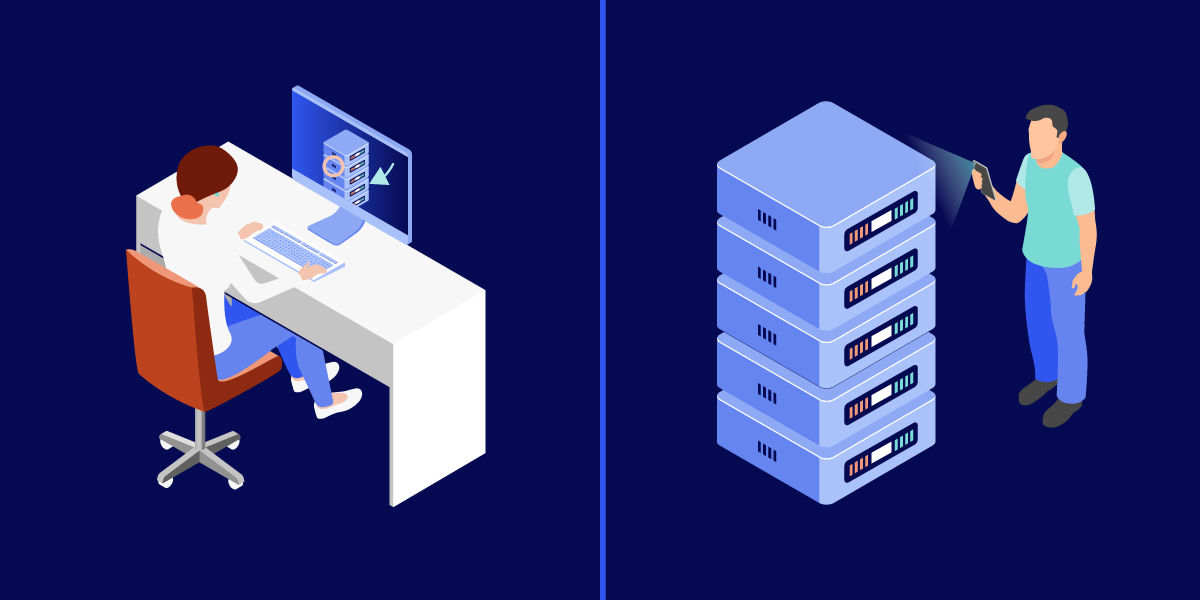
TeamViewer in use on the shop floor

IIoT at a glance

 
  • Definition: The industrial internet of things connects machines, devices, and systems in industrial environments for real-time data, automation, and smarter decision-making.
  • Key benefits: Operational efficiency, predictive maintenance, cost savings, sustainability and compliance, enhanced safety, and data-driven decisions.
  • Industries using it: Manufacturing, energy, transportation, oil and gas, and healthcare.
  • Core technologies: Sensors, edge computing, cloud platforms, AI, machine learning, and 5G.
  • IIoT powers: the backbone of Industry 4.0—enabling smart, connected, and sustainable factories.

Key benefits of IIoT: 

Real-time monitoring:

Gain instant visibility into operations.

Predictive maintenance:

Stop breakdowns before they happen.

Process optimization:

Fine-tune production for maximum efficiency.

Energy savings:

 Track and reduce unnecessary energy usage.

Improved safety:

Detect anomalies and hazards instantly.

Data-driven decisions:

Use AI and analytics for smarter strategies.

How does IIoT work? 

IIoT systems rely on a combination of hardware, software, and connectivity that allows machines to communicate and share data. Here's how it all comes together:

Core components of IIoT:

Smart sensors and devices

Measure temperature, vibration, pressure, humidity, energy consumption, and more.

Connectivity infrastructure

Networks like Ethernet, Wi-Fi, 5G, and LPWAN transmit data from devices to platforms.

Edge computing

Processes critical data locally to enable real-time responses.

Cloud computing

Stores large amounts of data, enabling detailed analysis, reporting, and AI-driven insights.

Analytics and AI tools

Transform raw data into predictive maintenance alerts, optimization suggestions, and performance dashboards.

Manufacturing: Predictive maintenance, remote system monitoring

Energy: Smart grids, remote asset management, consumption tracking

Transportation: Fleet management, route optimization, load tracking, smart software solutions

Oil and gas: Pipeline monitoring, remote site inspections

HealthcareRemote solutions for healthcare providers, operational efficiency

Challenges companies face when adopting IIoT

Implementing IIoT isn’t without challenges. Because of cybersecurity risks like ransomware and industrial espionage, industrial environments require strong protection. Legacy equipment often needs costly upgrades or retrofits to become IIoT-ready. Companies also face data overload, managing vast streams of sensor data efficiently. A significant skills gap between IT and operational teams can slow adoption. Plus, the initial investment in hardware and infrastructure can be substantial, although it pays off in the long term.

IIoT vs. IoT: What’s the difference? 

While both connect devices to the internet, IIoT and IoT serve very different purposes, especially when it comes to reliability, data, and security in industrial environments.

IoT (Consumer)
IIoT (Industrial)

Main use

Smart homes, wearables

Manufacturing, energy, critical infrastructure

Focus

Convenience, lifestyle

Reliability, uptime, safety, efficiency

Failure tolerance

High (minor inconvenience)

Extremely low (mission-critical operations)

Data complexity

Simple, low data volume

High-volume, real-time, mission-critical data

Security requirements

Standard

Advanced, with industrial-grade cybersecurity

The industrial internet takes IoT principles and amplifies them to deliver greater reliability, scalability, and security. 

How to implement IIoT in your business

Getting started with IIoT may seem complex, but with the right approach, businesses can break it down into manageable steps. Here’s how to successfully navigate the implementation process.

Define your objectives

Focus on the key goals, whether it’s predictive maintenance, efficiency, or reducing energy costs.

1.

Assess existing infrastructure

Identify which assets are IIoT-ready and where retrofitting is needed.

2.

Choose the right IIoT solution

Look for scalable, secure platforms that integrate seamlessly with your systems.


3.

Start small, prove value

Pilot IIoT in one area (such as one production line) before scaling across the organization.


4.

Prioritize cybersecurity

Secure every layer, from devices to cloud, to protect sensitive operations.

5.

The future of IIoT: Trends to watch 

The future of IIoT is driven by key trends and innovations. 5G-enabled factories provide real-time data, AI-driven automation helps predict failures and optimize processes, and edge AI enables faster decisions right at the device. IIoT is essential for decarbonizing industries and achieving sustainability goals, and digital twins help simulate and optimize operations. As the backbone of Industry 4.0, IIoT powers the smart factories of the future.

Conclusion

IIoT isn’t optional—it’s inevitable

Whether your goal is to improve operational efficiency, reduce downtime, or create safer workplaces, IIoT delivers the tools to transform your business.

The companies that adopt IIoT today will be the leaders of tomorrow, with agile, sustainable, and future-ready operations.

Transform your operations with industrial IoT

Future-proof your operations with TeamViewer’s IIoT solutions.

Connect machines, gain real-time insights, and drive smarter decisions securely and at scale.

FAQs: IIoT

The concept of IIoT industrial internet of things is about connecting machines, devices, and systems in industrial environments. It enables real-time data collection, automation, and smarter decision-making. By linking physical assets to digital platforms, IIoT improves efficiency, enhances safety, reduces downtime, and supports predictive maintenance. This helps turn traditional operations into intelligent, data-driven ecosystems.

IoT connects consumer devices like smart homes and wearables, focusing on convenience and lifestyle. IIoT, in contrast, is designed for industrial environments where reliability, uptime, and security are critical. It handles mission-critical operations, high data volumes, and real-time processing and is essential for manufacturing, energy, and other industrial sectors.

No, but they’re related. Supervisory control and data acquisition (SCADA) monitors and controls industrial processes locally. IIoT expands this with cloud connectivity, real-time data, and AI-driven insights.

A typical example of industrial IoT is predictive maintenance. Sensors monitor machines in real time, detecting anomalies like unusual vibrations or temperature changes. This allows companies to address potential issues before failures occur, minimizing downtime, reducing maintenance costs, and extending the lifespan of equipment in industries like manufacturing, energy, and transportation.