What is EDR?
Your complete guide to endpoint detection and response

What is EDR?
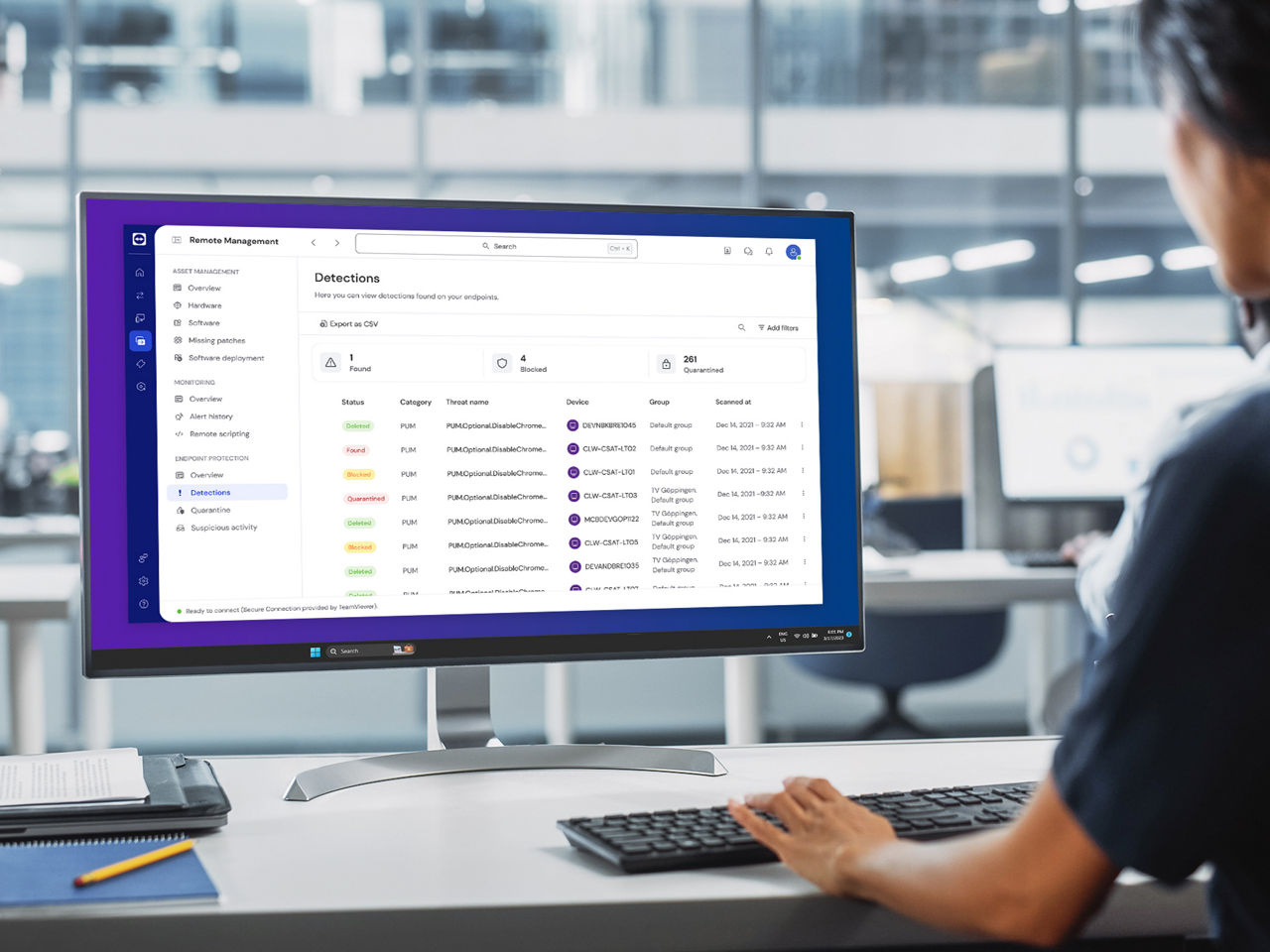
EDR stands for endpoint detection and response. It’s a category of cybersecurity solutions designed to:
Think of endpoints as every device that connects to your company network: laptops, desktops, smartphones, servers, and IoT devices. Cybercriminals frequently target these endpoints because they’re often the weakest link.
EDR security ensures that even if attackers slip past perimeter defenses, you have the tools to catch, contain, and eliminate them before any serious damage occurs.
In the context of cybersecurity, EDR represents a shift from reactive to proactive defense strategies. Unlike legacy antivirus solutions, EDR detects not just known malware but also unknown, sophisticated threats.
An EDR solution doesn’t just block malicious files. It provides visibility into attacker behavior, maps attack chains, and empowers your security team to understand how, when, and where a breach occurred.
As digital infrastructures grow, securing endpoints has become a crucial foundation for any modern cybersecurity strategy.
Traditional defenses like firewalls or antivirus are no longer enough. Modern organizations face sophisticated threats, from ransomware that can halt operations to fileless malware hiding in legitimate processes. On top of that, remote work, bring your own device (BYOD) policies, and distributed environments expand the attack surface.
This is where endpoint detection and response (EDR) becomes indispensable. EDR goes beyond malware protection, detecting threats early and stopping them before damage occurs. If attackers bypass your perimeter, EDR security detects and stops them immediately.

Beyond simple detection, EDR offers powerful forensic capabilities. It helps security teams trace how a breach happened, how far it spread, and which systems were affected. This visibility is crucial for both incident response and strengthening defenses against future attacks.
A key benefit of EDR security is compliance. Regulations like the health insurance portability and accountability act (HIPAA), and industry standards to detect and respond to threats. such as PCI DS or CMMC require businesses to detect and respond to threats. Without EDR or a comparable solution, meeting these requirements is extremely difficult.
Most importantly, EDR enables organizations to operate securely across remote or hybrid teams. No matter where employees are, with EDR IT can ensure every device is continuously monitored and protected.
EDR watches endpoints in real time to catch and contain threats fast. But security monitoring is only part of the picture. EDR works best when combined with proactive device monitoring. This helps IT teams detect performance issues, outages, or system failures alongside security threats.
It turns raw data into clear, actionable insights, helping IT detect and stop threats before they escalate. The EDR process typically follows four simple but powerful steps, as shown below:
A modern EDR solution is built on a combination of advanced technologies and capabilities designed to detect, analyze, and respond to threats efficiently.
These key features form the foundation for effective endpoint protection and incident response:
EDR offers benefits for different roles across the organization, from IT teams and decision-makers to everyday users.
EDR tools are powerful, but not all-encompassing. They detect and respond to threats on endpoints—but they don’t block phishing emails, protect networks, or replace firewalls. Even the best EDR software can’t stop identity-based attacks like credential theft.
That’s why endpoint detection and response works best as part of a layered security strategy, combined with email security, network protection, and identity management.
The future of EDR software is smarter, faster, and more automated. Expect stronger AI, predictive threat detection, and seamless integration with zero trust frameworks. EDR will evolve toward XDR, securing not just endpoints but also networks, identities, and cloud workloads.
And it’s no longer just about detection; it’s about prevention. The modern EDR definition includes automation, scalability, and proactive protection.

Discover how simple and effective endpoint protection can be—with TeamViewer’s powerful EDR software. Detect threats in real time, investigate suspicious activity, and respond automatically to stop attacks before they cause damage. Start your free trial today to strengthen your security, reduce risks, and keep your business protected—wherever your devices are.
An example of an EDR solution is software like TeamViewer’s EDR, which detects threats, isolates compromised devices, and helps stop attacks like ransomware or malware before damage occurs.
CrowdStrike started as an EDR solution and has evolved into XDR (extended detection and response)—protecting endpoints plus cloud, identity, email, and network environments.
While antivirus focuses on detecting known malware based on signatures, EDR goes further—providing real-time detection, behavioral analysis, investigation, and automated response to stop both known and unknown threats.